How to Choose a Metal Enclosure Manufacturer (Complete OEM Guide)
Choosing the right metal enclosure manufacturer is a critical decision for OEM buyers, engineers, and sourcing managers. A reliable supplier ensures product quality, stable delivery, and long-term cooperation.
In this guide, we’ll explain how to evaluate a custom metal enclosure manufacturer, including materials, processes, pricing, and engineering support.
1. Define Your Project Requirements Clearly
Before contacting any metal enclosure supplier, you should prepare:
- Material: Aluminum or Stainless Steel
- Manufacturing process: CNC machining or sheet metal fabrication
- Quantity: Prototype, small batch, or mass production
- Surface finish: Anodizing, powder coating, brushing
- Protection level: IP65, IP67
Clear requirements help manufacturers provide accurate quotations and reduce communication time.
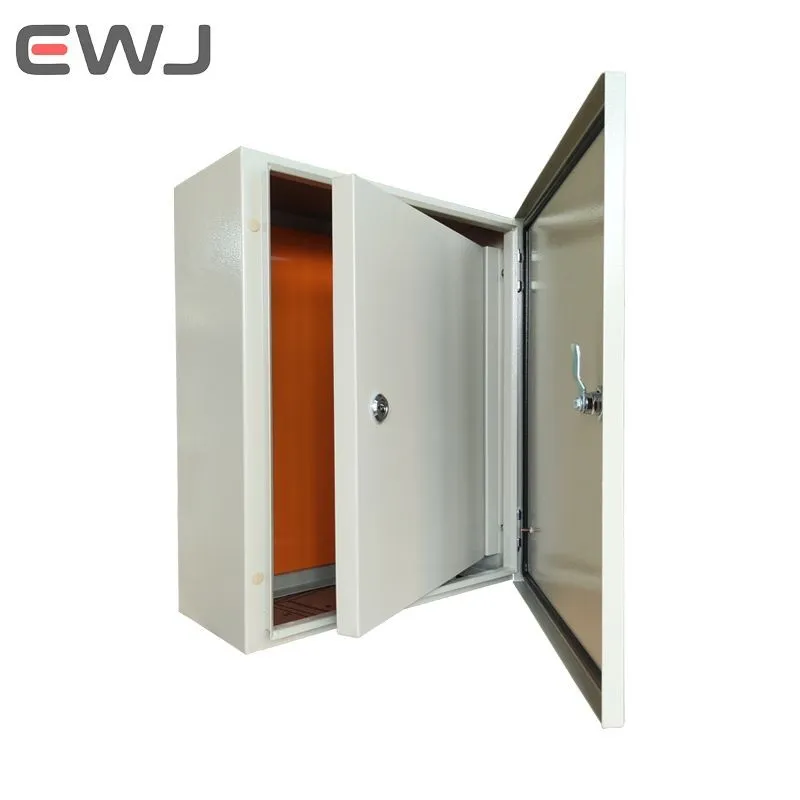
2. Choose the Right Material: Aluminum vs Stainless Steel
Selecting the right material is essential for performance and cost.
- Lightweight and cost-effective
- Excellent corrosion resistance
- Ideal for CNC machining
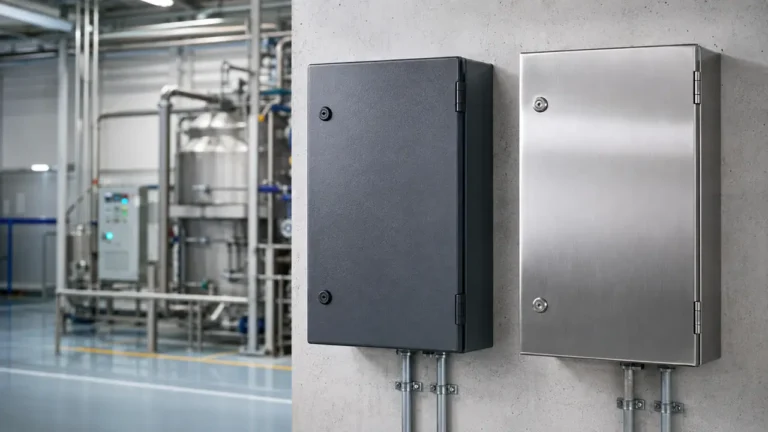
- Strong and durable
- Suitable for harsh environments
- Better for outdoor and industrial applications
👉 If your project requires lightweight design, aluminum is preferred. For heavy-duty environments, stainless steel is a better choice.
3. Evaluate Manufacturing Capabilities
A professional custom metal enclosure manufacturer should offer:
- CNC machining (high precision ±0.01mm)
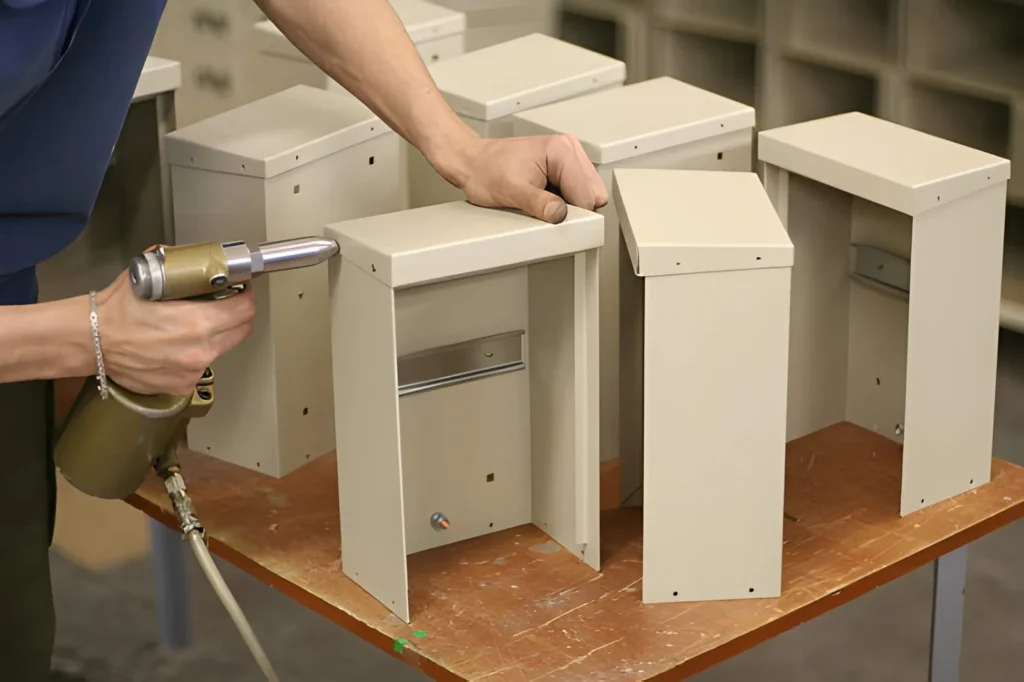
- Sheet metal fabrication (laser cutting, bending, welding)
- Surface finishing (anodizing, powder coating)
- Assembly services
Make sure the supplier can support both prototyping and mass production.
4. Check Industry Experience
Working with an experienced metal enclosure manufacturer reduces risk.
Ask:
- Do they have experience with industrial or electrical enclosures?
- Can they provide case studies?
- Do they understand compliance standards?
Experienced suppliers can optimize your design and avoid costly mistakes.
5. Review Quality Control System
Consistency is key in B2B manufacturing.
Look for:
- ISO 9001 certification
- Inspection processes (IQC, IPQC, OQC)
- Precision measurement tools
Also confirm how they handle defects and quality issues.
6. Compare CNC vs Sheet Metal Enclosure
Choosing the right process affects cost and design flexibility.
CNC Enclosures
- High precision
- Complex shapes
- Higher cost
Sheet Metal Enclosures
- Lower cost
- Suitable for large batches
- Faster production
👉 Many projects use a combination of both.
7. Evaluate Lead Time and Capacity
Delivery reliability is critical.
Ask about:
- Prototype lead time (5–10 days)
- Mass production lead time
- Monthly production capacity
Avoid suppliers who promise unrealistic timelines.
8. Engineering Support & Communication
A good OEM enclosure manufacturer should:
- Understand CAD/STEP drawings
- Provide design suggestions
- Respond quickly
Strong communication reduces delays and errors.
9. Pricing: Focus on Value, Not Just Cost
The cheapest supplier is not always the best.
Consider:
- Material quality
- Surface finishing
- Production consistency
- After-sales support
A slightly higher price often means better long-term reliability.
10. Request a Prototype Before Mass Production
Always test before scaling:
- Check dimensions and tolerance
- Evaluate surface finish
- Verify assembly fit
This step helps ensure your supplier meets expectations.
Conclusion
Choosing the right metal enclosure manufacturer requires evaluating technical capabilities, materials, pricing, and communication.
A reliable supplier will not only produce parts but also support your project from design to mass production.
🔧 Get a Custom Metal Enclosure Quote
Looking for a reliable custom aluminum or stainless steel enclosure manufacturer?
- ✔ CNC & Sheet Metal Fabrication
- ✔ OEM / ODM Supported
- ✔ Fast Prototyping & Mass Production
👉 Send us your drawings (STEP/PDF) and receive a quote within 24 hours.