


Distribution Box Enclosures
Distribution Box Enclosures are protective housings designed to safely house circuit breakers, wiring, connectors, and power distribution components. Made from durable materials like galvanized steel, they provide excellent corrosion resistance, mechanical strength, and long service life for both indoor and outdoor use. These enclosures feature standard IP/NEMA protection ratings to defend against dust, moisture, water splashing, and physical impact, ensuring stable and safe operation in industrial, commercial, construction, and residential environments. With reasonable internal space, pre-designed mounting plates, and convenient cable entries, they support easy installation, maintenance, and wiring management. Available in wall-mounted, floor-standing, and outdoor styles, distribution box enclosures effectively isolate electrical parts, reduce failure risks, and ensure reliable power supply. They are widely used in power systems, automation equipment, renewable energy stations, and infrastructure projects.
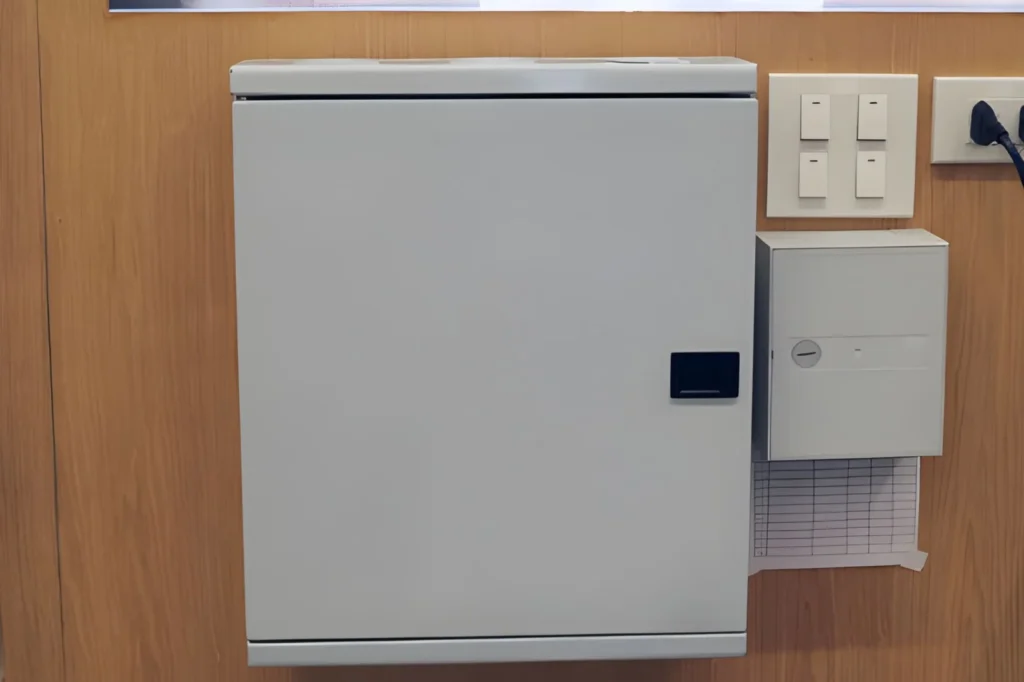
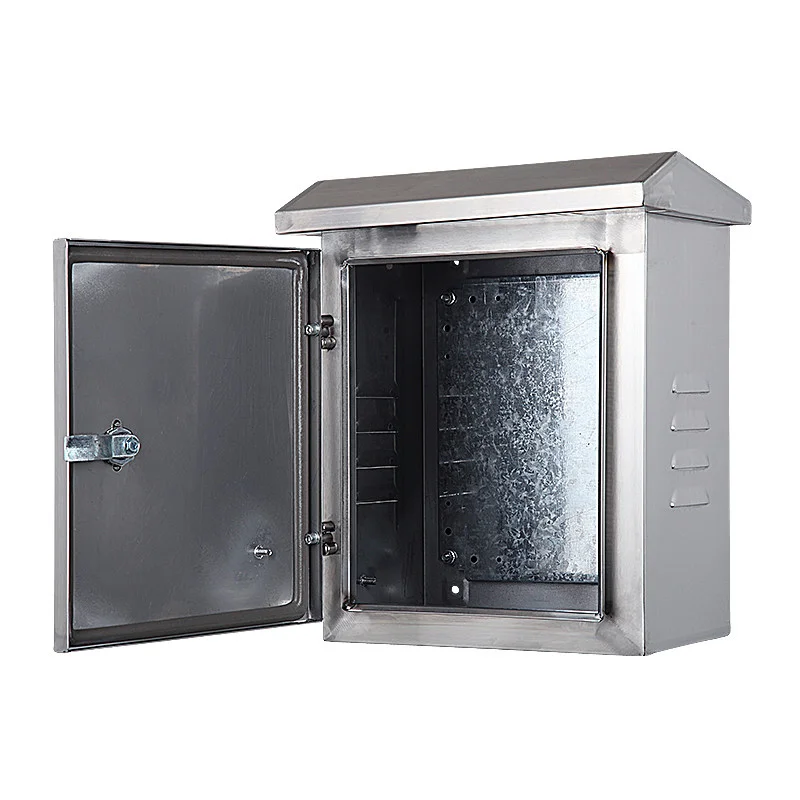
single-door enclosure
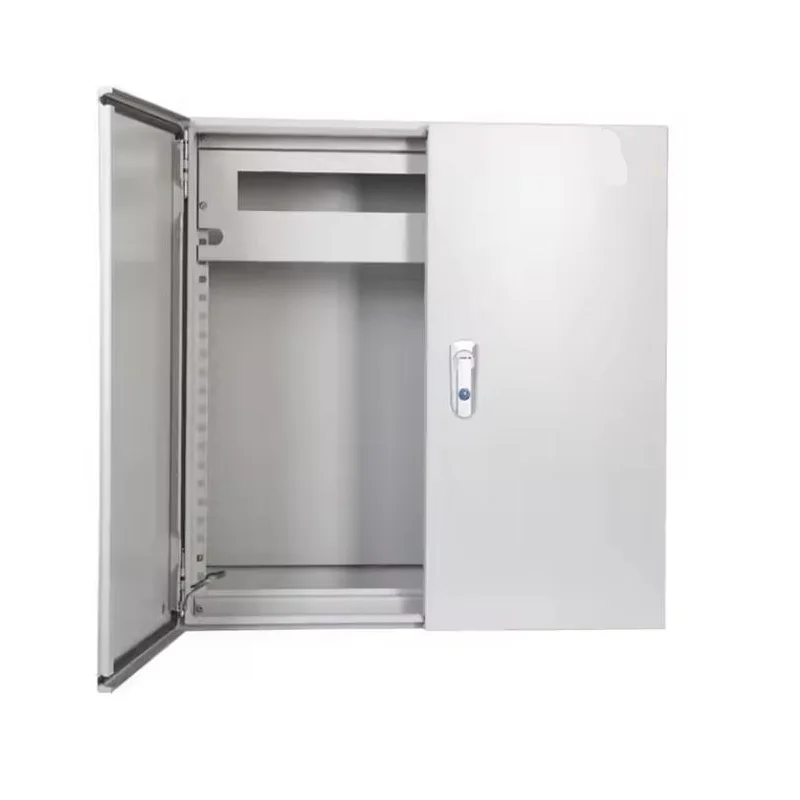
double-door enclosure
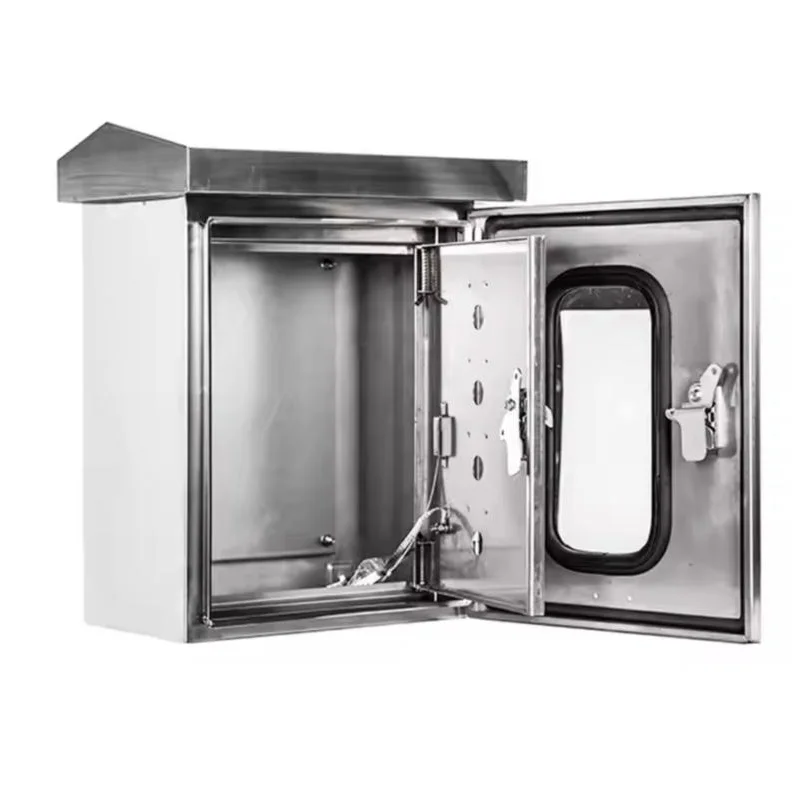
inner-door
enclosure
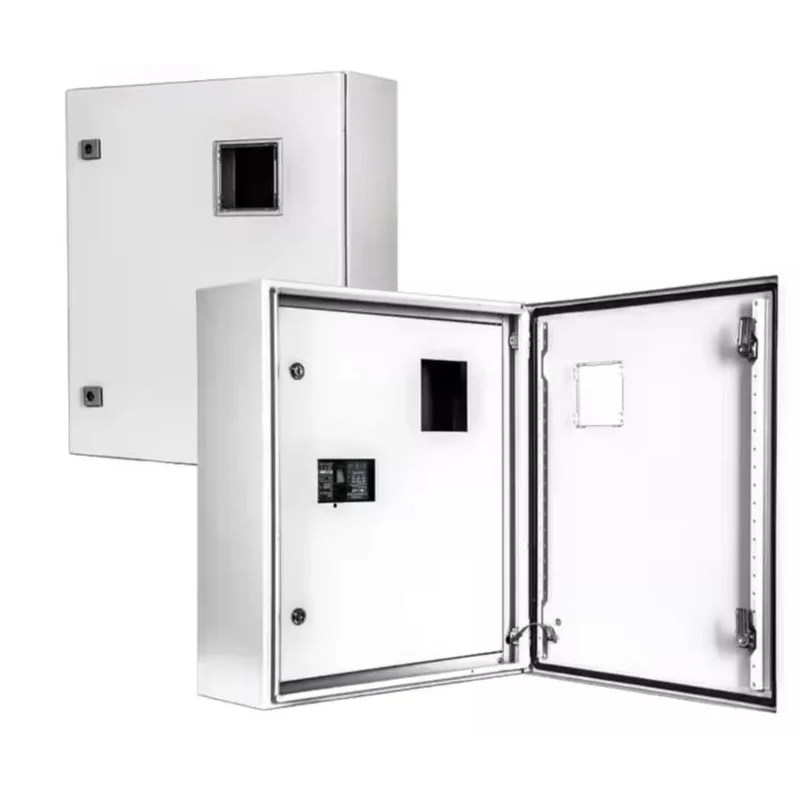
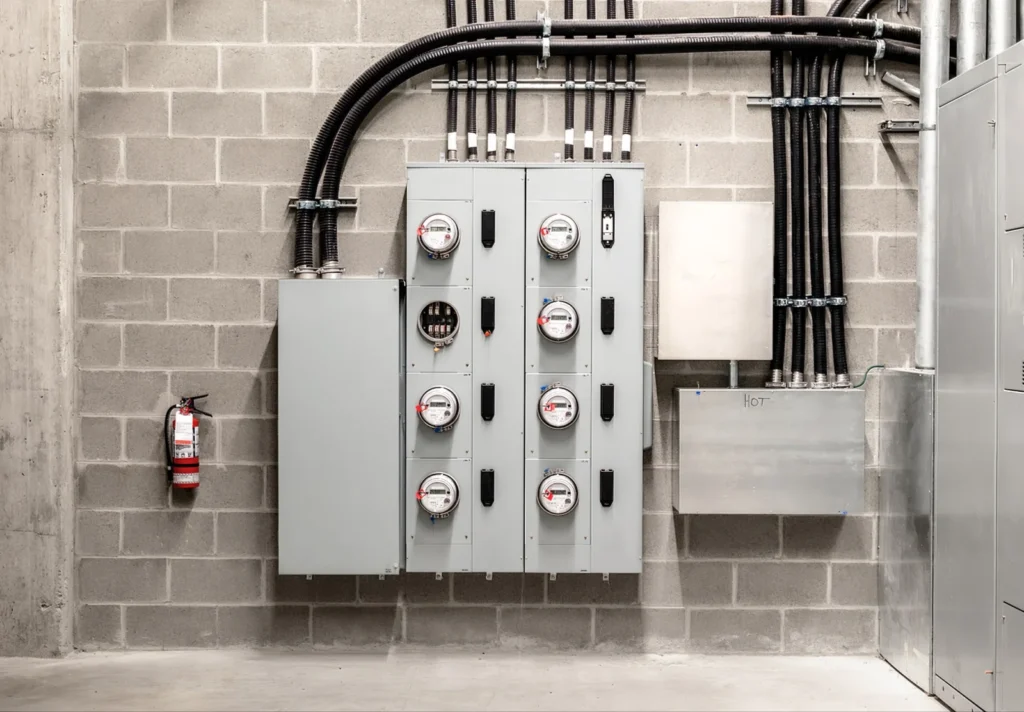
electric meter
box
Why choose enclosures

Weatherproof and Solid

Easy Installation and Maintenance

Enhanced Protection

Long-Term Reliability

Customization

Energy-Efficient Design
Applications Need enclosures
Distribution Box Enclosure Manufacturing Process
Customizable options

Material
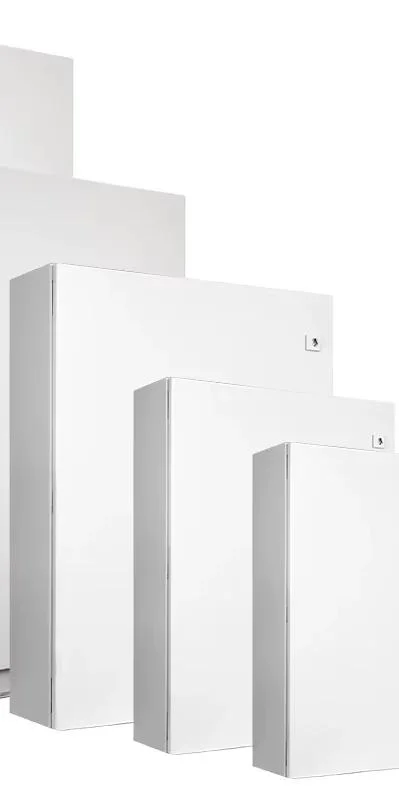
Size and Dimensions

Mounting Options
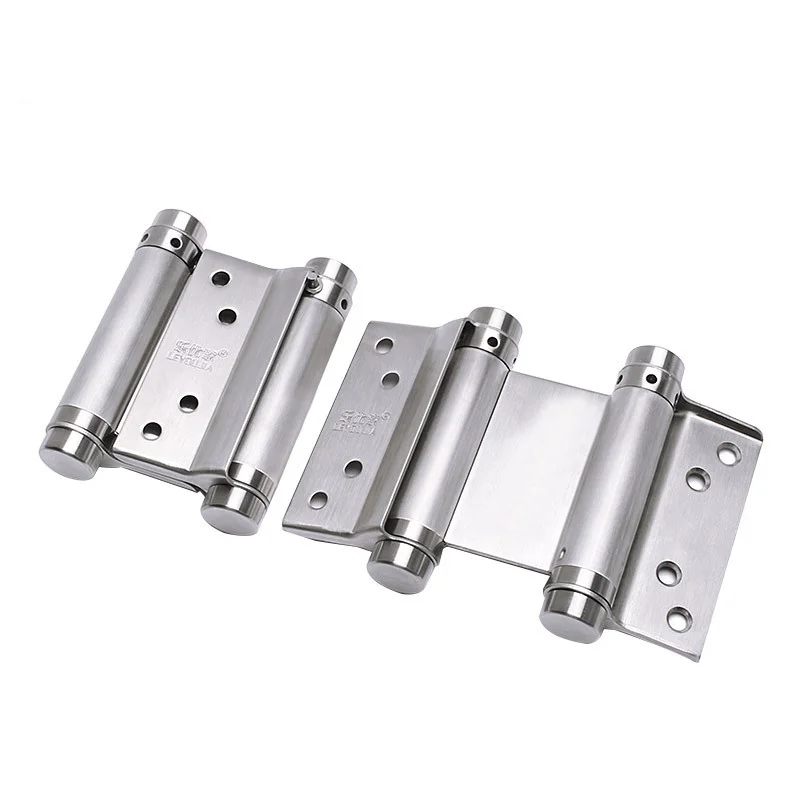
Accessories
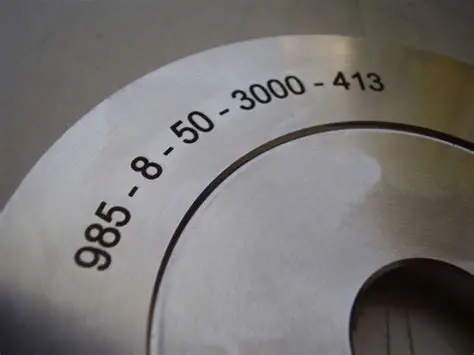
Engraving
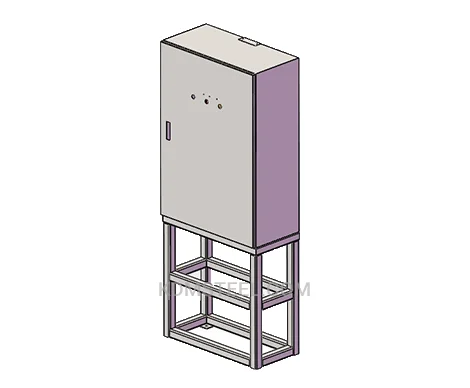
Customized according to the drawings
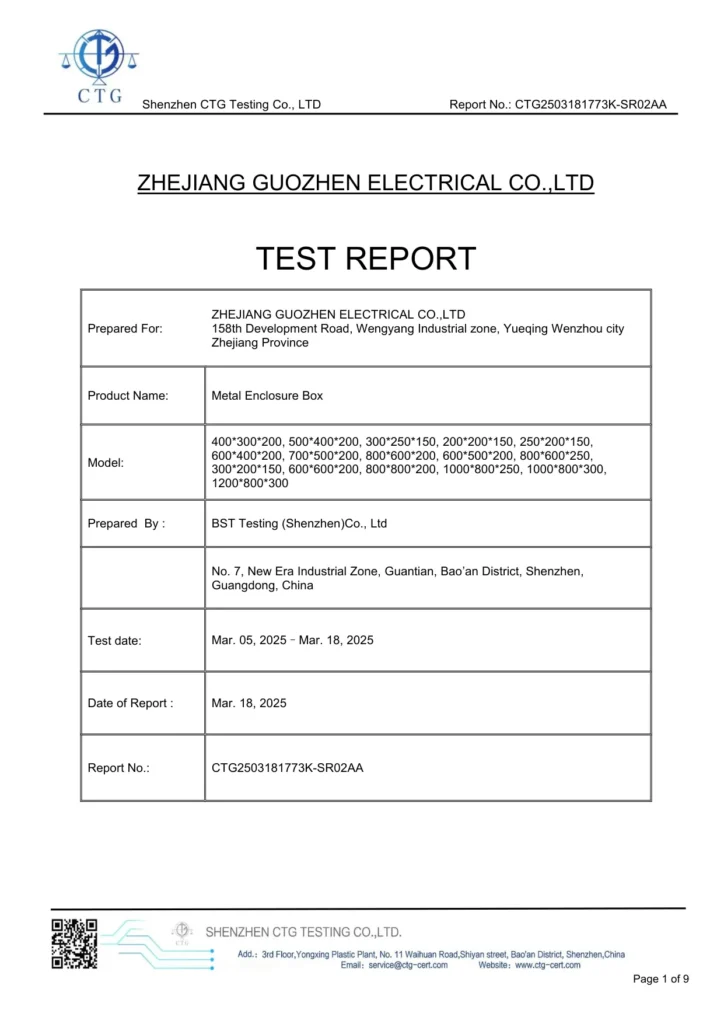
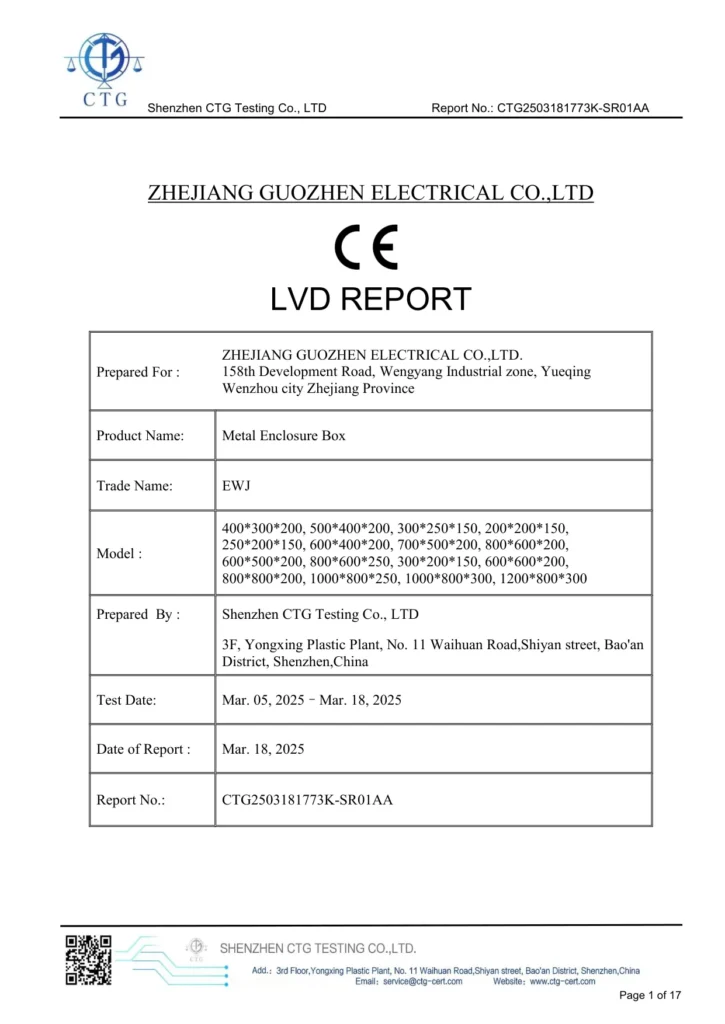
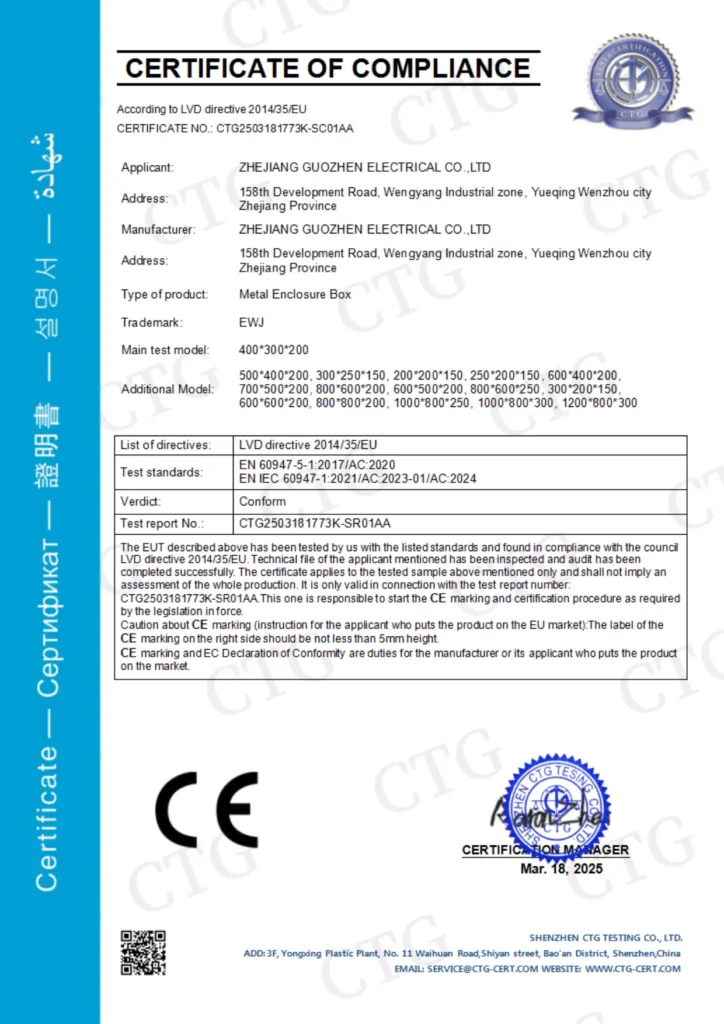
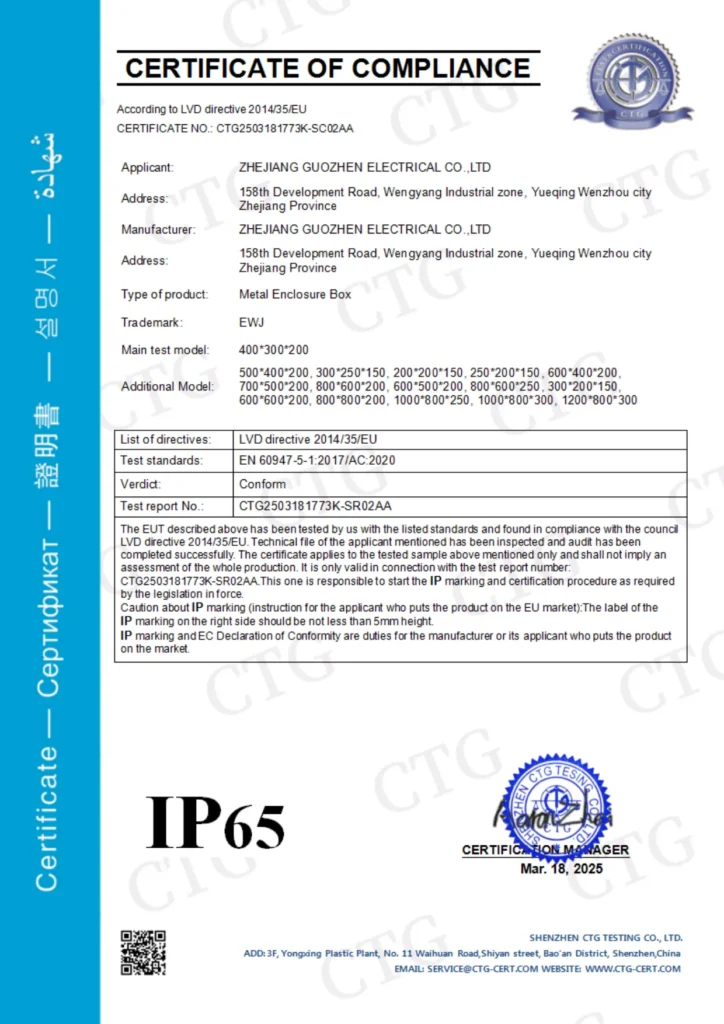
EWJ Certification
What Is a Distribution Box Enclosure?
A distribution box enclosure is a protective housing designed to safely organize and protect electrical distribution components such as circuit breakers, wiring terminals, fuses, switches, and monitoring modules. Usually made of galvanized steel or aluminum, it provides strong physical protection, good corrosion resistance, and effective insulation. With standard IP or NEMA protection ratings, it prevents damage from dust, moisture, water splashing, and external impact, ensuring safe operation in industrial, commercial, construction, and residential environments. It features reasonable internal layout, mounting plates, and cable entries for easy installation and maintenance. Wall-mounted or floor-mounted styles are available. By isolating live parts and standardizing wiring, it improves safety, stability, and management efficiency, making it essential for power supply systems, control equipment, and electrical infrastructure.
How Choose the Right Distribution Box Enclosure?
Choosing the right distribution box enclosure starts with evaluating the installation environment: indoor, outdoor, humid, dusty or corrosive conditions determine the required IP or NEMA protection level. Next, confirm the size based on internal components like circuit breakers, terminals, wiring space and cooling needs. Select the right material—galvanized steel for high strength and corrosion resistance, or aluminum for lightweight and good heat dissipation. Consider installation type such as wall-mounted, floor-standing or pole-mounted. Also check practical features including cable entries, locks, grounding, ventilation and durability. Ensure the structure is solid and meets electrical safety standards. By balancing environment, size, material, function and cost, you can get a reliable distribution box enclosure for industrial, commercial, residential or outdoor power applications.
FAQs About Distribution Box Enclosure
Are distrition box enclosures secure?
Can I use a distrition box enclosure outdoors?
Yes, you can. Galvanized steel enclosures are corrosion-resistant and ideal for outdoor use. Choose IP65 or higher rated models for protection against dust, rain and harsh weather.
What sizes do a distrition box enclosures come in?
We offer a wide range of standard sizes, from small compact units to large custom dimensions. Custom sizes are also available to meet your specific project requirements.
What should I consider before installing a aluminum enclosure?
Consider environment, IP rating, size, weight, mounting space, ventilation, cable entry, locking/security, and local electrical codes.