Outdoor Electrical Enclosure: Reliable Protection for Electrical Equipment
When electrical components are installed outdoors, the enclosure becomes the first line of defense.
Rain, dust, UV exposure, temperature swings, moisture, insects, and corrosive air can all cause problems if the enclosure is not properly selected. A small leak, poor seal, or wrong material choice may lead to corrosion, short circuits, equipment failure, or costly downtime.
That is where an outdoor electrical enclosure comes in.
It is designed to protect sensitive electrical and electronic components in outdoor environments, whether they are used for industrial controls, solar power systems, telecommunications, security equipment, outdoor lighting, or EV charging applications.
However, choosing the right enclosure is not only about picking a box that looks strong. You need to consider the protection rating, material, installation location, cable entries, heat dissipation, corrosion resistance, and long-term maintenance needs.
This guide explains how to choose the right outdoor electrical enclosure for your application, so your equipment stays protected, reliable, and easier to maintain.
What Is an Outdoor Electrical Enclosure?
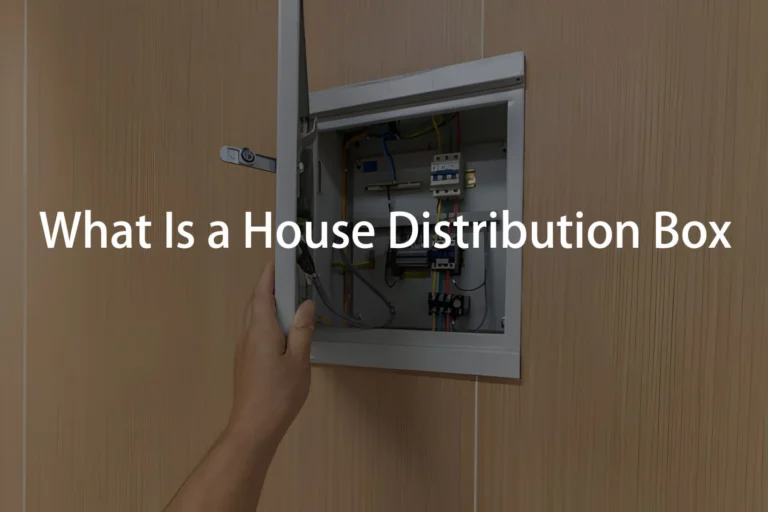
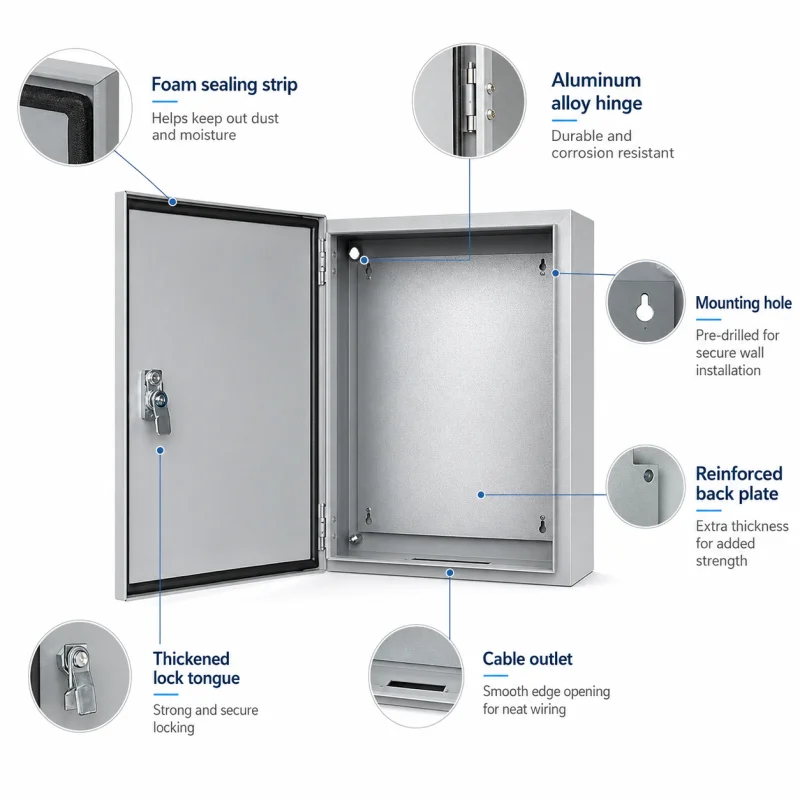
An outdoor electrical enclosure is a protective box or cabinet used to house electrical and electronic components in outdoor environments. It helps protect internal equipment from rain, dust, moisture, sunlight, corrosion, impact, and accidental contact.
In simple terms, it keeps electrical components safe when they are installed outside.
These enclosures are commonly used to protect:
- Wiring and terminal blocks
- Circuit breakers and switches
- Power supplies
- Control panels
- PLCs and relays
- Sensors and monitoring devices
- Communication and networking equipment
- Solar and EV charging components
Unlike indoor electrical enclosures, outdoor enclosures must be designed for harsher conditions. A box that works well inside a factory or building may not survive long when exposed to rain, UV radiation, humidity, or changing temperatures.
That is why outdoor electrical enclosures usually need specific protection ratings, weather-resistant materials, proper sealing, and reliable mounting systems.
Why Outdoor Electrical Enclosures Matter
Outdoor electrical systems are often exposed to unpredictable conditions. Even when an installation looks simple, the environment can create serious risks over time.
For example, water can enter through cable openings, damaged seals, or poorly designed covers. Dust and debris can build up inside the enclosure. Sunlight can cause some plastics to become brittle. In coastal or chemical environments, corrosion can damage both the enclosure and the electrical components inside.
When the wrong enclosure is used, the result can be more than just inconvenience. It may lead to:
- Short circuits
- Corrosion
- Electrical failure
- System downtime
- Higher maintenance costs
- Safety hazards
- Shorter equipment lifespan
A properly selected outdoor electrical enclosure helps prevent these problems. It protects the internal components, improves system reliability, and reduces the need for frequent repairs or replacements.
In many outdoor applications, the enclosure is not just an accessory. It is a critical part of the entire electrical system.
Common Applications of Outdoor Electrical Enclosures
Outdoor electrical enclosures are used across many industries. The right enclosure may look different depending on the application, but the goal is usually the same: protect electrical equipment from the environment and keep the system operating safely.
Industrial Control Systems
In industrial environments, outdoor enclosures are often used to house control panels, PLCs, relays, motor controls, switches, and power distribution components.
These installations may be exposed to rain, dust, vibration, washdown, or extreme temperatures. For this reason, industrial outdoor enclosures often require strong materials, secure locking systems, and higher protection ratings such as NEMA 4, NEMA 4X, IP65, or IP66.
Solar Power Systems
Solar installations depend heavily on outdoor electrical protection. Enclosures are commonly used for combiner boxes, disconnect switches, inverters, monitoring devices, and wiring connections.
Because solar systems are usually exposed to direct sunlight for long periods, UV resistance and heat management are especially important. A solar enclosure should protect the internal components from moisture while also helping reduce the risk of overheating.
Telecommunications and Networking
Outdoor communication systems often require enclosures for routers, fiber optic equipment, antennas, power supplies, batteries, and control modules.
These systems may be installed on walls, rooftops, poles, towers, or remote outdoor sites. In these cases, the enclosure needs to provide weather protection, cable management, and sometimes thermal control to keep sensitive electronics stable.
Security and Surveillance Systems
Security cameras, access control devices, alarm systems, and outdoor sensors all need reliable protection. Outdoor electrical enclosures help protect power supplies, connectors, control boards, and network devices used in surveillance systems.
For these applications, compact size, easy installation, and weatherproof performance are often important selection factors.
Outdoor Lighting and Traffic Systems
Outdoor lighting controls, traffic signal equipment, parking systems, road signs, and public infrastructure all require durable electrical protection.
These enclosures are often exposed to rain, dust, road debris, vibration, and temperature changes. Depending on the location, corrosion resistance and impact resistance may also be important.
EV Charging Equipment
EV charging stations contain electrical and electronic components that must be protected from outdoor conditions. Enclosures may be used for power distribution, control modules, communication equipment, circuit protection, and wiring connections.
For EV charging applications, weather resistance, safety, durability, and compliance with project requirements are all key considerations.
Key Factors to Consider When Choosing an Outdoor Electrical Enclosure
Choosing the right outdoor electrical enclosure is not just about selecting the right size. The enclosure must match the actual installation environment, the equipment inside, and the level of protection required.
Below are the most important factors to consider before making a decision.
1. Installation Environment
The first question to ask is simple: where will the enclosure be installed?
An enclosure installed under a roof will face very different conditions from one mounted on an open pole in a coastal area. Before choosing an enclosure, consider the real environment it will be exposed to.
Important environmental factors include:
- Rain and snow
- Wind-driven water
- Dust and dirt
- Direct sunlight
- High or low temperatures
- Humidity
- Salt air
- Chemicals
- Insects
- Impact or vibration
- Hose-directed water or washdown
For general outdoor use, a weatherproof enclosure may be enough. But for harsh industrial, coastal, or washdown environments, you may need a higher protection rating and a more corrosion-resistant material.
A good enclosure choice always starts with the environment.
2. Protection Rating
Protection rating is one of the most important parts of outdoor enclosure selection. It tells you what level of protection the enclosure provides against dust, water, and other environmental conditions.
The two most common rating systems are NEMA ratings and IP ratings.
NEMA ratings are commonly used in North America, while IP ratings are widely used internationally. Both are useful, but they are not exactly the same. You should always check the specific rating requirements for your market, project, or application.
For outdoor electrical enclosures, common ratings include:
| Rating | Typical Protection | Common Use |
|---|---|---|
| NEMA 3R | Rain, sleet, and external ice | Basic outdoor electrical protection |
| NEMA 4 | Rain, dust, and hose-directed water | Industrial outdoor applications |
| NEMA 4X | NEMA 4 protection plus corrosion resistance | Coastal, chemical, and washdown environments |
| IP65 | Dust-tight and protected against water jets | General outdoor use |
| IP66 | Dust-tight and protected against powerful water jets | Harsh outdoor environments |
| IP67 | Dust-tight and protected against temporary immersion | Wet or flood-prone locations |
For many outdoor applications, NEMA 4, NEMA 4X, IP65, or IP66 are common choices. However, the best rating depends on the actual exposure level.
For example, an enclosure used for basic outdoor wiring may not need the same rating as one installed in a washdown area or near the ocean.
3. Enclosure Material
Material affects durability, corrosion resistance, weight, cost, insulation, and long-term performance. There is no single material that is best for every outdoor electrical enclosure. The right choice depends on the application.
Plastic or Polycarbonate Enclosures
Plastic and polycarbonate enclosures are popular for outdoor electrical and electronic applications because they are lightweight, corrosion-resistant, and easy to install.
They are often used for:
- Communication devices
- Security equipment
- Solar components
- Control boxes
- Outdoor junction boxes
- Low-voltage electrical systems
For outdoor use, the material should be UV-resistant. Without UV protection, some plastic enclosures may become brittle or discolored after long exposure to sunlight.
Fiberglass Enclosures
Fiberglass enclosures are a strong option for harsh outdoor and corrosive environments. They offer good weather resistance, corrosion resistance, and electrical insulation.
They are commonly used in:
- Coastal areas
- Chemical plants
- Wastewater treatment facilities
- Industrial sites
- Utility applications
Fiberglass is often chosen when corrosion is a major concern but a non-metallic enclosure is preferred.
Stainless Steel Enclosures
Stainless steel enclosures provide high strength and excellent durability. They are often used in demanding environments where corrosion resistance, hygiene, or mechanical protection is important.
Common applications include:
- Food processing
- Marine environments
- Chemical facilities
- Industrial washdown areas
- Outdoor control cabinets
For highly corrosive environments, 316 stainless steel is often preferred over 304 stainless steel because it offers better resistance to salt and chemicals.
Aluminum Enclosures
Aluminum enclosures are lightweight, strong, and naturally corrosion-resistant in many outdoor environments. They also offer better heat dissipation than many plastic materials.
They are often used for:
- Telecommunications
- Transportation systems
- Outdoor electronics
- Instrumentation
- Control equipment
However, in highly corrosive environments, aluminum may require additional coating or surface treatment.
Carbon Steel Enclosures
Carbon steel enclosures are strong and cost-effective, but they require proper coating or painting for outdoor use. If the coating is damaged, the enclosure may rust over time.
Carbon steel may be suitable for some outdoor industrial applications, but it is usually not the best choice for coastal, chemical, or highly humid environments unless it has suitable surface protection.
NEMA vs IP Ratings: What Is the Difference?
When choosing an outdoor electrical enclosure, you will often see two types of protection ratings: NEMA ratings and IP ratings. Both help describe how well an enclosure protects the equipment inside, but they are not exactly the same.
NEMA ratings are commonly used in North America. They describe protection against environmental conditions such as rain, dust, hose-directed water, corrosion, and external ice formation.
IP ratings, also called Ingress Protection ratings, are widely used internationally. They focus mainly on protection against solid objects, dust, and water.
In simple terms, NEMA ratings usually cover a broader range of environmental protection factors, while IP ratings focus more specifically on dust and water ingress.
For outdoor electrical enclosures, both rating systems can be useful. The key is to choose a rating that matches the actual installation environment.
| Requirement | NEMA Rating | IP Rating |
|---|---|---|
| Common market | North America | International |
| Main focus | Environmental protection, construction, corrosion, ice | Dust and water ingress |
| Outdoor examples | NEMA 3R, NEMA 4, NEMA 4X | IP65, IP66, IP67 |
| Corrosion protection | Included in some ratings, such as NEMA 4X | Not directly covered |
| Direct conversion | Not exact | Not exact |
It is important to remember that NEMA and IP ratings do not have a perfect one-to-one conversion. For example, a NEMA 4 enclosure may have similar water and dust protection to some IP-rated enclosures, but NEMA ratings may include additional requirements that IP ratings do not cover.
So, instead of relying only on a conversion chart, it is better to look at the actual installation conditions and the specific protection requirements of your project.
Common Types of Outdoor Electrical Enclosures
Outdoor electrical enclosures come in many shapes, sizes, and configurations. The right type depends on what needs to be protected, where the enclosure will be installed, and how the equipment will be accessed or maintained.
Below are some of the most common types used in outdoor applications.
Weatherproof Electrical Enclosure
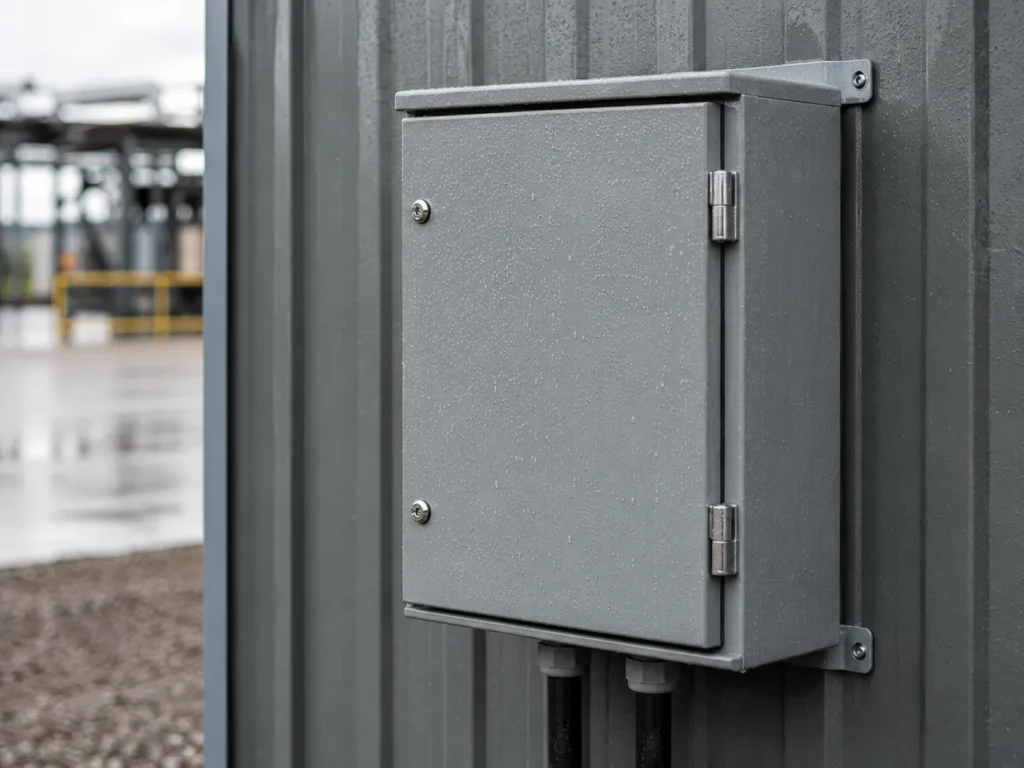
A weatherproof electrical enclosure is designed to protect electrical components from outdoor weather conditions such as rain, wind, dust, and sunlight.
This type of enclosure is commonly used for:
- Outdoor wiring connections
- Lighting control systems
- Security equipment
- Small control devices
- Low-voltage electrical components
For general outdoor use, weatherproof enclosures are often available with ratings such as NEMA 3R, NEMA 4, IP65, or IP66, depending on the protection level required.
Waterproof Electrical Enclosure
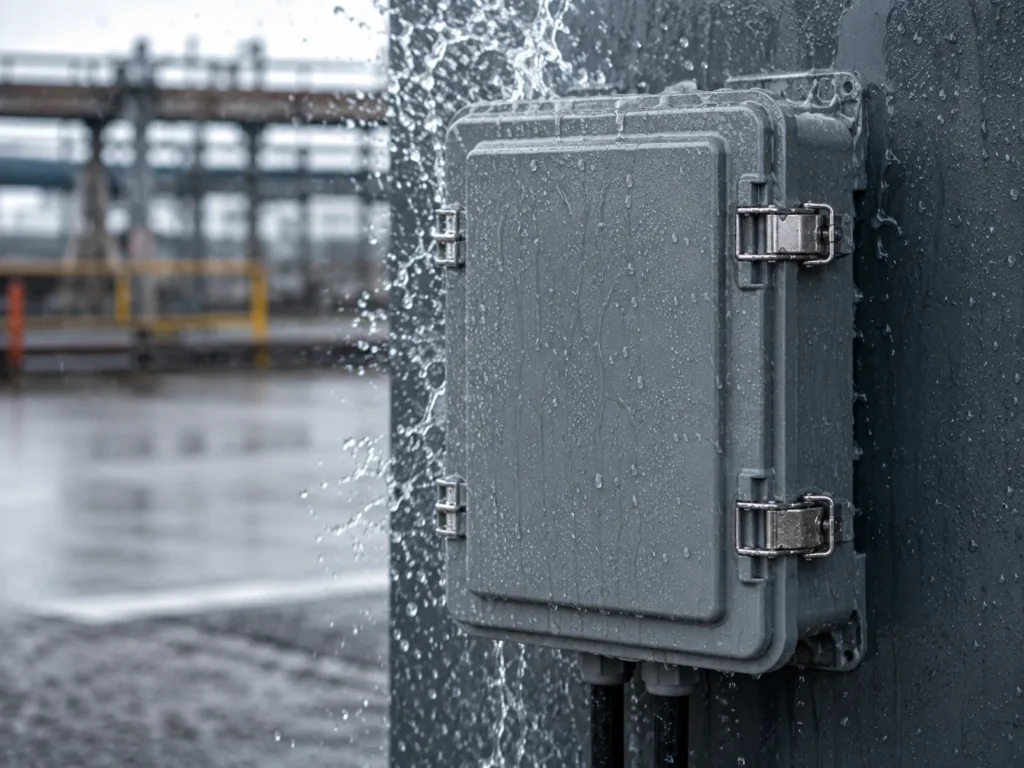
A waterproof electrical enclosure provides a higher level of water protection. It is used when the enclosure may be exposed to heavy rain, hose-directed water, splashing, or temporary immersion.
Common applications include:
- Marine equipment
- Outdoor sensors
- Washdown areas
- Wet industrial environments
- Flood-prone installations
However, “waterproof” should not be treated as a general promise. The actual level of water protection depends on the enclosure’s IP or NEMA rating. For example, IP65, IP66, IP67, and IP68 all provide different levels of water protection.
Outdoor Junction Box
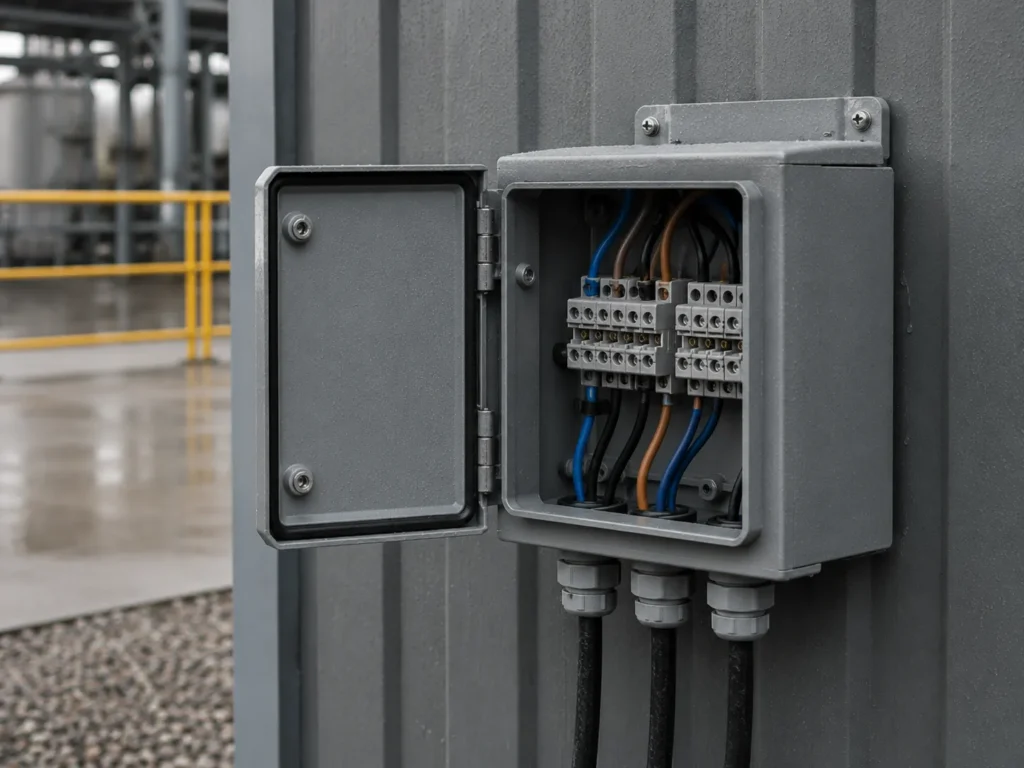
An outdoor junction box is used to protect wiring connections, terminals, and splices in outdoor environments. It is usually smaller than a control cabinet and is often installed on walls, poles, machinery, or outdoor structures.
Outdoor junction boxes are commonly used in:
- Outdoor lighting
- Solar wiring
- Security systems
- Garden and landscape electrical systems
- Industrial wiring connections
When choosing an outdoor junction box, cable entries and sealing are especially important. Poorly sealed cable glands are one of the most common causes of water ingress.
Outdoor Control Cabinet
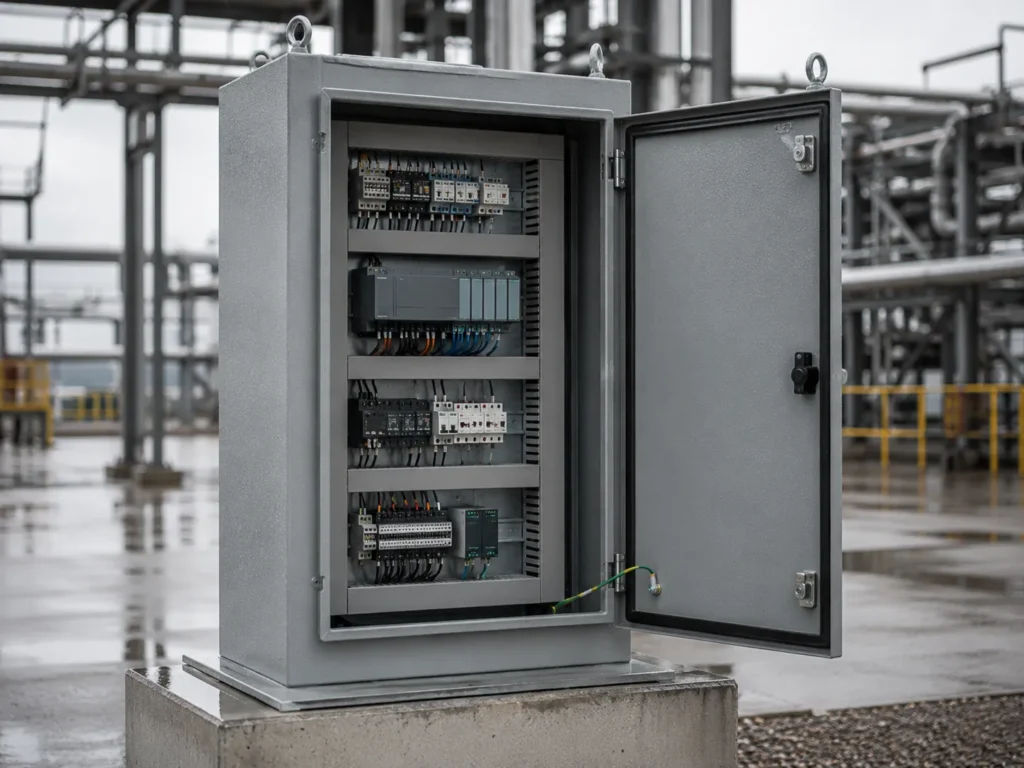
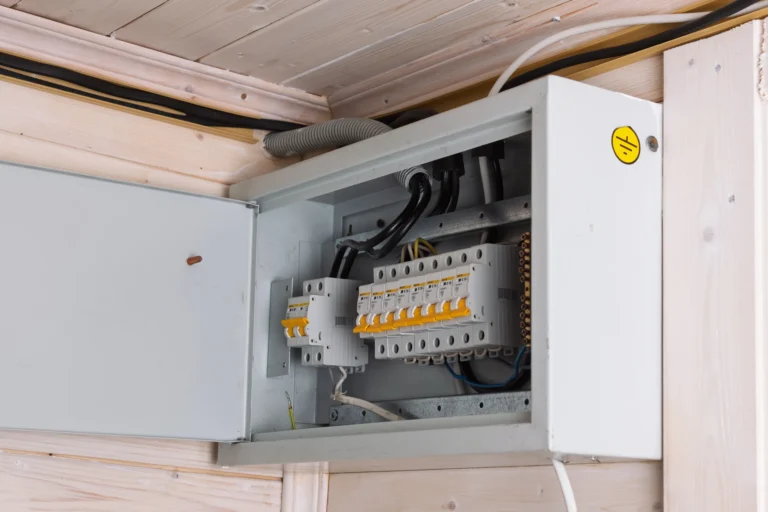
An outdoor control cabinet is typically larger than a junction box and is used to house control panels, PLCs, relays, power supplies, circuit breakers, and monitoring devices.
These cabinets are common in:
- Industrial automation
- Water treatment systems
- Energy systems
- Transportation equipment
- Outdoor machinery
Because control cabinets often contain sensitive and expensive components, they usually require stronger protection ratings, better thermal management, and more durable materials.
Wall-Mounted Outdoor Enclosure
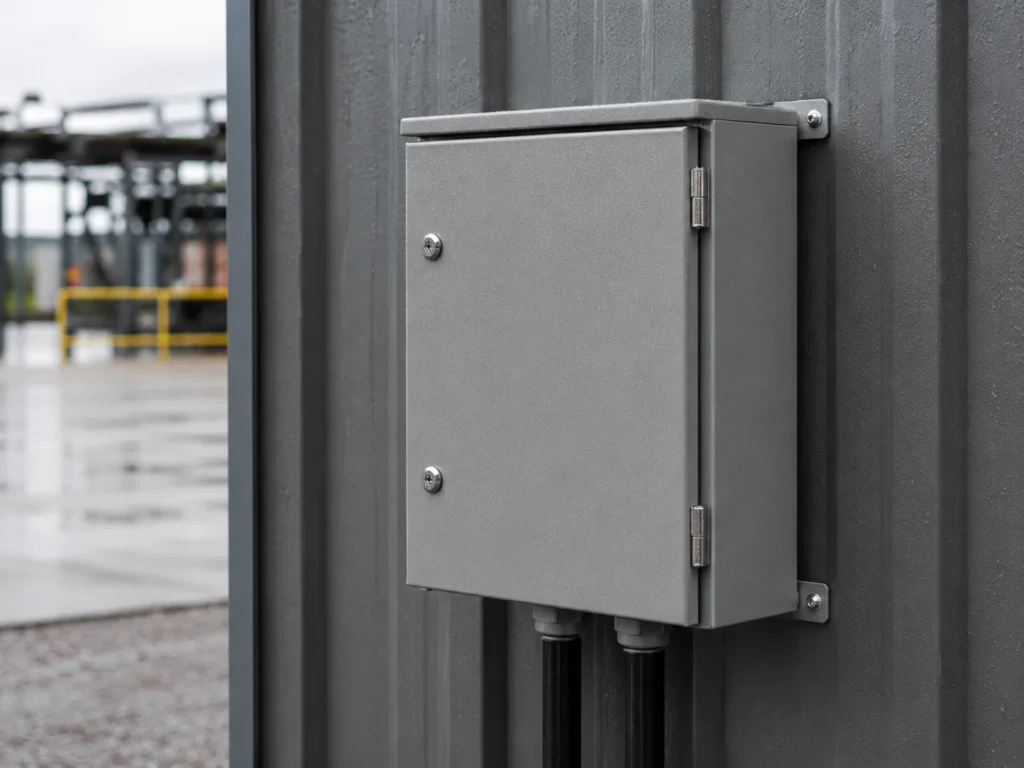
A wall-mounted outdoor enclosure is designed to be installed on a wall, machine frame, or flat vertical surface. It is one of the most common enclosure types because it is easy to install and suitable for many applications.
Wall-mounted enclosures are often used for:
- Control boxes
- Power distribution
- Communication equipment
- Security systems
- Outdoor electrical connections
When selecting a wall-mounted enclosure, make sure the wall or support structure can handle the enclosure’s weight, especially if the enclosure is made of metal or contains heavy electrical components.
Pole-Mounted Outdoor Enclosure
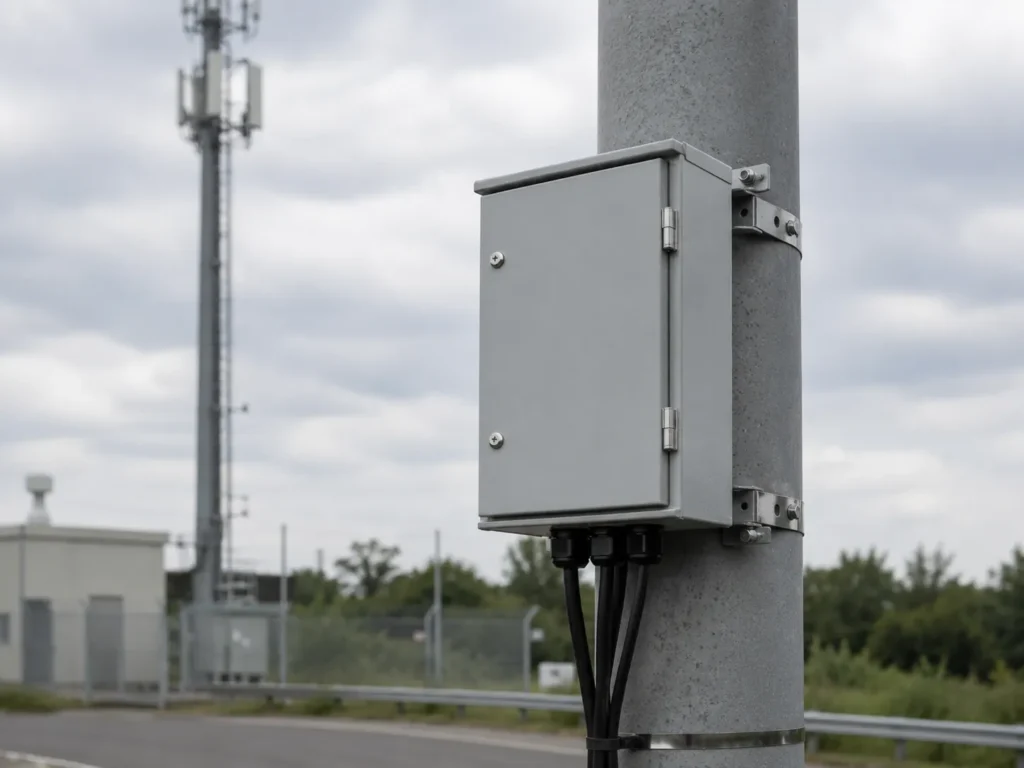
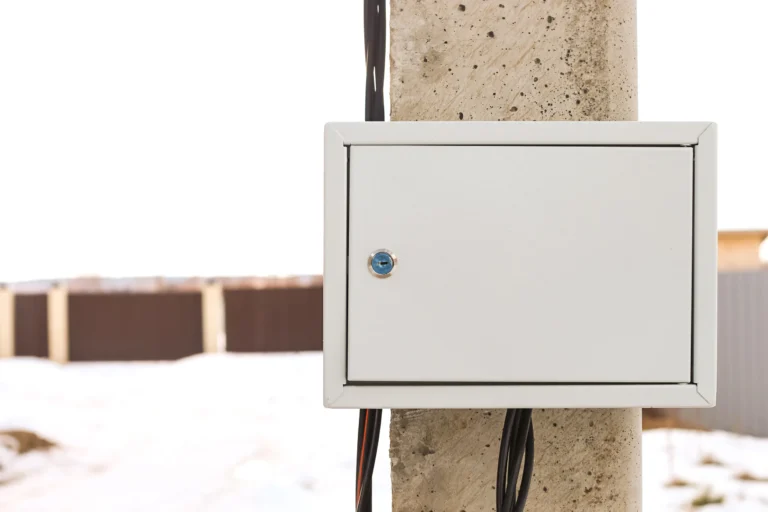
A pole-mounted outdoor enclosure is used when equipment needs to be installed on a utility pole, streetlight pole, traffic pole, or communication mast.
This type is commonly used in:
- Telecommunications
- Traffic systems
- Surveillance systems
- Smart city infrastructure
- Outdoor wireless equipment
Pole-mounted enclosures should have secure mounting brackets and strong resistance to wind, vibration, and outdoor exposure.
Floor-Standing Outdoor Enclosure
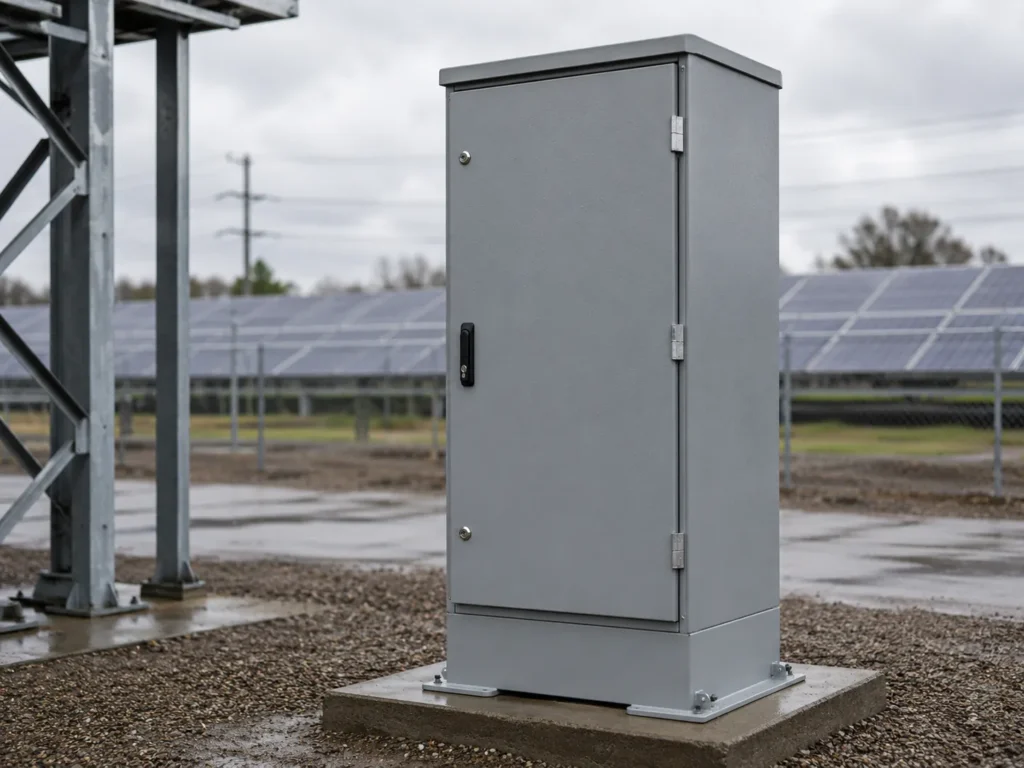
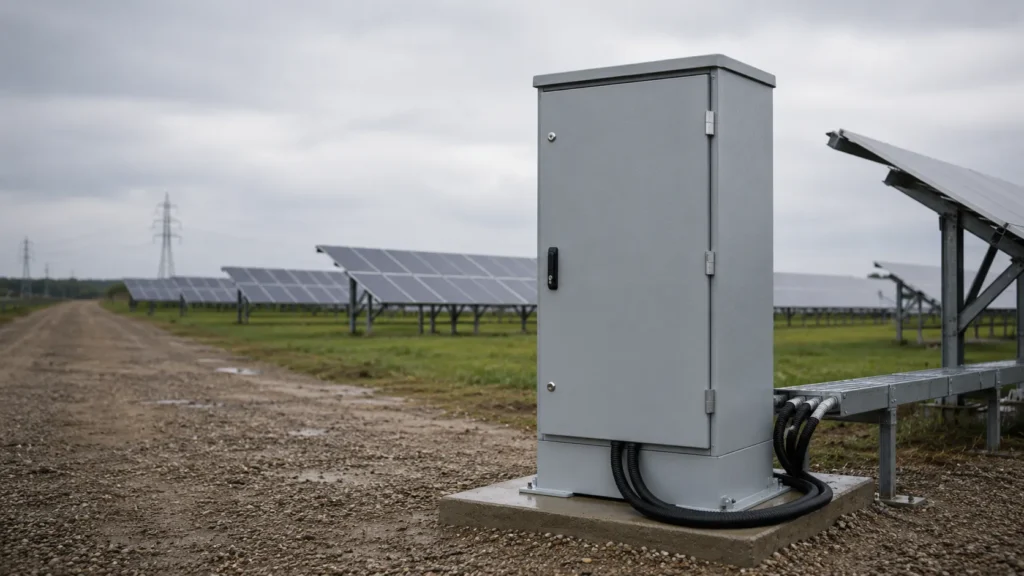
A floor-standing outdoor enclosure or free-standing cabinet is used for larger electrical systems that require more internal space.
Typical applications include:
- Power distribution systems
- Industrial control panels
- Large automation systems
- Utility equipment
- EV charging infrastructure
Because these enclosures are larger and heavier, they require careful planning for installation, foundation, cable routing, ventilation, and maintenance access.
How to Choose the Right Outdoor Electrical Enclosure Step by Step
A good enclosure choice should be based on the environment, the equipment inside, and the long-term requirements of the application. Here is a simple step-by-step process.
Step 1: Identify the Installation Environment
Start by understanding where the enclosure will be installed.
Ask questions such as:
- Will it be exposed to direct rain?
- Will it face strong sunlight?
- Is the area dusty or dirty?
- Is there a risk of hose-directed water?
- Is the environment coastal or corrosive?
- Will the enclosure be exposed to chemicals?
- Are there extreme temperature changes?
- Is there a risk of impact or vibration?
The harsher the environment, the more important the protection rating and material selection become.
Step 2: Choose the Required NEMA or IP Rating
After identifying the environment, choose a rating that matches the exposure level.
For many general outdoor applications, IP65 or NEMA 3R may be enough. For harsher environments, NEMA 4, NEMA 4X, IP66, or higher may be needed.
Do not choose a rating only because it sounds better. Choose it because it matches the actual conditions.
Step 3: Select the Right Material
Next, choose the enclosure material.
For general outdoor electrical applications, polycarbonate, aluminum, fiberglass, coated steel, and stainless steel are all possible options.
For corrosive environments, fiberglass or stainless steel may be more suitable. For lightweight outdoor electronics, polycarbonate may be a practical choice. For heavy-duty industrial applications, stainless steel or coated steel may be preferred.
Step 4: Confirm the Size and Internal Layout
Make sure the enclosure has enough internal space for all components, wiring, accessories, and future maintenance.
Consider:
- Component dimensions
- Mounting plate space
- DIN rail space
- Cable bending radius
- Heat dissipation
- Service access
- Future expansion
A slightly larger enclosure may cost more upfront, but it can make installation and maintenance much easier.
Step 5: Plan Cable Entries
Cable entry design is critical for outdoor installations.
Choose suitable cable glands, conduit fittings, or connectors that match the enclosure rating. Make sure all openings are properly sealed and positioned to reduce the risk of water ingress.
Where possible, avoid placing cable entries on the top surface of the enclosure unless the fittings are specifically designed and sealed for that purpose.
Step 6: Consider Thermal Management
If the enclosure contains heat-generating components or will be exposed to direct sunlight, thermal management should be considered early.
Depending on the application, this may include:
- Using a larger enclosure
- Installing a sun shield
- Improving internal component spacing
- Adding ventilation
- Using fans or heat exchangers
- Installing an enclosure air conditioner
The goal is to keep internal temperatures within the safe operating range of the equipment.
Step 7: Check Mounting and Maintenance Requirements
Finally, consider how the enclosure will be installed and maintained.
A good outdoor enclosure should be easy to mount, secure, and accessible for inspection or repair. Hinges, locks, latches, mounting brackets, and internal panels should all match the application requirements.
For remote or hard-to-access sites, durability and low maintenance are especially important.
Recommended Outdoor Electrical Enclosures by Application
Different applications require different enclosure solutions. The table below gives a general starting point.
| Application | Recommended Enclosure Type |
|---|---|
| General outdoor wiring | NEMA 3R or IP65 outdoor junction box |
| Industrial control systems | NEMA 4 or IP66 outdoor control enclosure |
| Coastal environments | NEMA 4X stainless steel or fiberglass enclosure |
| Solar power systems | UV-resistant weatherproof enclosure |
| Telecommunications | Polycarbonate or aluminum outdoor enclosure |
| Washdown environments | NEMA 4X or IP66 waterproof enclosure |
| Flood-prone areas | IP67/IP68 or NEMA 6/NEMA 6P enclosure |
| Security systems | Compact weatherproof electrical enclosure |
| EV charging equipment | Durable outdoor control cabinet with proper rating |
This table should be used as a general guide. The final selection should always depend on the actual environment, equipment, and project requirements.
Conclusion
Choosing the right outdoor electrical enclosure is not just about finding a box that fits your components. It is about protecting your electrical system from the environment it will face every day.
Rain, dust, sunlight, humidity, corrosion, temperature changes, and improper sealing can all affect the performance and safety of outdoor electrical equipment. By considering the installation environment, NEMA or IP rating, material, size, cable entries, mounting method, and thermal management, you can choose an enclosure that provides reliable long-term protection.
Whether your project involves industrial controls, solar power, telecommunications, outdoor lighting, security systems, or EV charging equipment, the right enclosure can help reduce downtime, improve safety, and extend equipment life.
Looking for a reliable outdoor electrical enclosure for your project? Contact our team to find a weatherproof enclosure solution that matches your application, environment, and protection requirements.
FAQ
What is the best enclosure for outdoor electrical use?
The best enclosure depends on the environment. For general outdoor use, an IP65 or NEMA 3R enclosure may be suitable. For harsher conditions, NEMA 4, NEMA 4X, IP66, or higher ratings may be needed. If corrosion is a concern, fiberglass or stainless steel enclosures are often better choices.
What NEMA rating is suitable for outdoor use?
Common outdoor NEMA ratings include NEMA 3R, NEMA 4, NEMA 4X, NEMA 6, and NEMA 6P. NEMA 3R is often used for basic rain protection, while NEMA 4 and NEMA 4X provide stronger protection against water and dust. NEMA 4X also adds corrosion resistance.
Is IP65 enough for outdoor use?
IP65 can be enough for many general outdoor applications because it provides dust-tight protection and protection against water jets. However, if the enclosure will face powerful water jets, heavy washdown, temporary immersion, or flood risk, IP66, IP67, or IP68 may be more suitable.
Can plastic electrical enclosures be used outdoors?
Yes, plastic electrical enclosures can be used outdoors if they are designed for outdoor conditions. The material should be UV-resistant, weather-resistant, and rated for the required level of dust and water protection.
What is the difference between weatherproof and waterproof electrical enclosures?
A weatherproof enclosure is designed to protect against outdoor weather such as rain, wind, dust, and sunlight. A waterproof enclosure usually refers to stronger water protection. However, these terms can be general, so it is better to check the actual NEMA or IP rating rather than relying only on the wording.
What material is best for outdoor electrical enclosures?
There is no single best material for every application. Polycarbonate is lightweight and corrosion-resistant. Fiberglass performs well in harsh and corrosive environments. Stainless steel offers high strength and durability. Aluminum is lightweight and good for many electronic applications. Coated steel can be cost-effective but needs proper corrosion protection.