Solar Panel Combiner Box for Different PV Applications
Have you noticed that the same solar panel combiner box is often used in very different projects—rooftops, solar farms, even heavy industrial sites? That’s also where many system problems begin. A combiner box that works perfectly in one application can become a weak link in another.
Instead of starting with definitions, let’s take a more practical angle. We’ll look at how different PV applications drive different combiner box requirements, and how you can choose the right configuration for each scenario. If you’re involved in system design, procurement, or project planning, this perspective will feel far more relevant.
Why Application Matters When Choosing a Combiner Box
A solar panel combiner box sits at the intersection of safety, performance, and maintainability. Its job is always the same—combine multiple strings into one output—but the context changes everything.
Key variables include:
- System size and string count
- Installation environment
- Voltage level and grid standards
- O&M strategy
Ignoring application-specific needs often leads to overspending, under-protection, or painful retrofits later on.
Commercial Rooftop Solar Systems
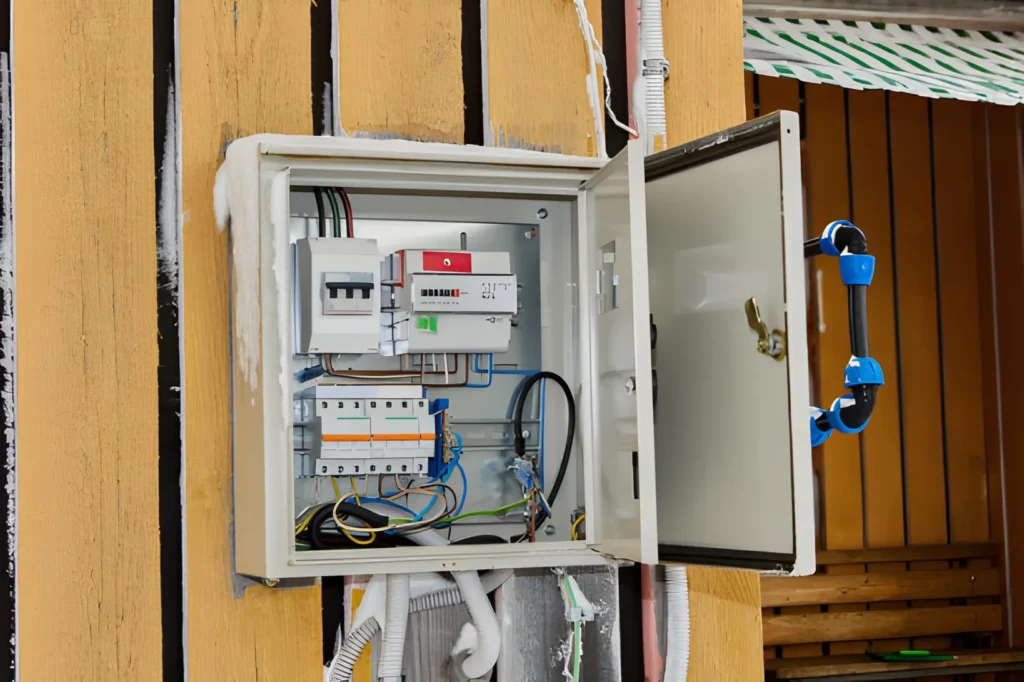
Commercial rooftops are one of the most common use cases for a solar panel combiner box. These systems usually balance cost control with reliability.
Typical System Characteristics
- Medium string counts (4–16 strings)
- DC voltages up to 1000V
- Limited installation space
- Easy physical access for maintenance
Because rooftops are close to people and equipment, electrical safety and neat wiring are especially important.
Recommended Combiner Box Configuration
For this application, you usually want:
- DC combiner box with string fuses
- Integrated DC surge protection
- Compact enclosure with clear labeling
| Feature | Recommended Choice |
|---|---|
| Voltage rating | 1000V DC |
| Enclosure rating | IP65 |
| Monitoring | Optional |
| Installation type | Wall-mounted |
A well-chosen combiner box reduces rooftop clutter and simplifies inspections, which building owners appreciate more than they admit.
Utility-Scale Solar Farms
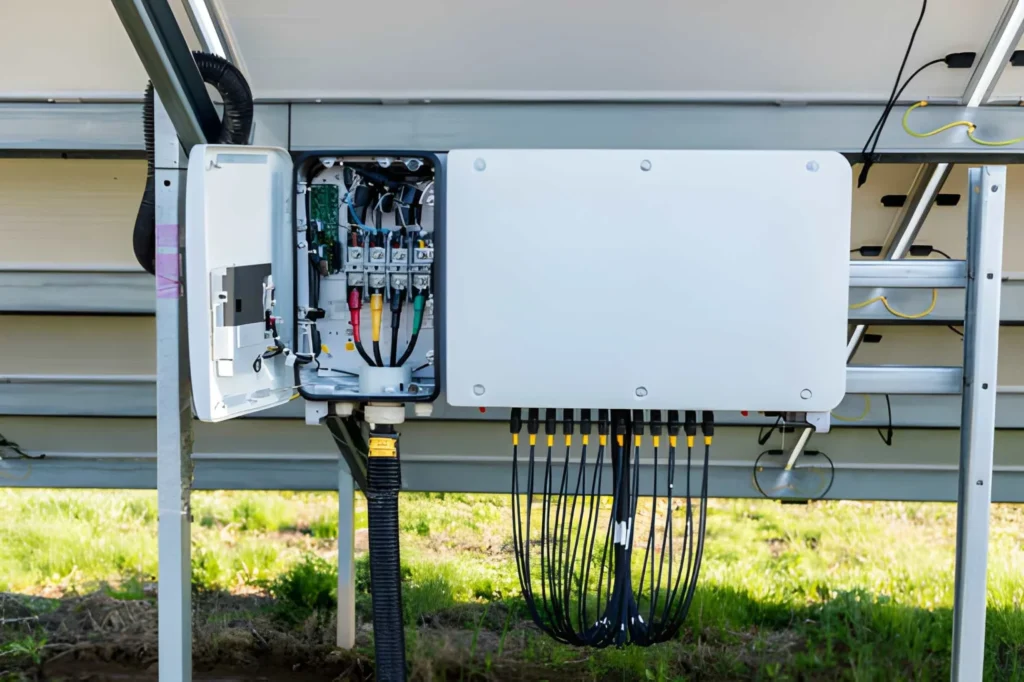
Once you move into ground-mounted solar plants, the role of the solar panel combiner box becomes far more strategic.
System Characteristics
- High string counts (16–24+ strings per box)
- Long cable runs
- Harsh outdoor environments
- Centralized O&M teams
In this context, efficiency and fault isolation matter more than minimizing upfront cost.
Combiner Box Requirements
Utility-scale projects often benefit from:
- High-capacity DC combiner boxes
- Smart monitoring for each string
- Robust surge protection for lightning-prone areas
| Requirement | Utility-Scale Expectation |
|---|---|
| Voltage rating | 1500V DC |
| String inputs | 16–24 |
| Monitoring | Strongly recommended |
| SPD level | Type II or Type I+II |
A smart solar panel combiner box allows operators to pinpoint underperforming strings without walking kilometers of rows. Over time, this can save thousands in labor and lost generation.
Industrial and Harsh-Environment Installations
Industrial PV projects introduce a different set of challenges. Dust, heat, vibration, and corrosive atmospheres all take a toll.
Common Industrial Scenarios
- Factories and warehouses
- Mining or oil & gas facilities
- Coastal or desert locations
In these cases, durability matters just as much as electrical performance.
Key Selection Criteria
An industrial-grade solar panel combiner box should prioritize:
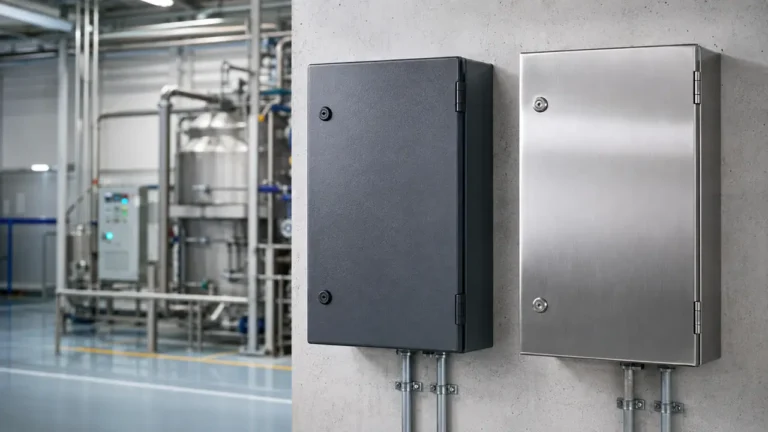
- Heavy-duty metal enclosure
- High IP and corrosion resistance
- Wide operating temperature range
| Factor | Industrial Recommendation |
|---|---|
| Enclosure material | Stainless steel or coated metal |
| IP rating | IP66 or higher |
| Temperature range | -25°C to +60°C |
| Maintenance access | Tool-secured, sealed |
Choosing a cheaper enclosure here often leads to premature failure, which is far more expensive than getting it right the first time.
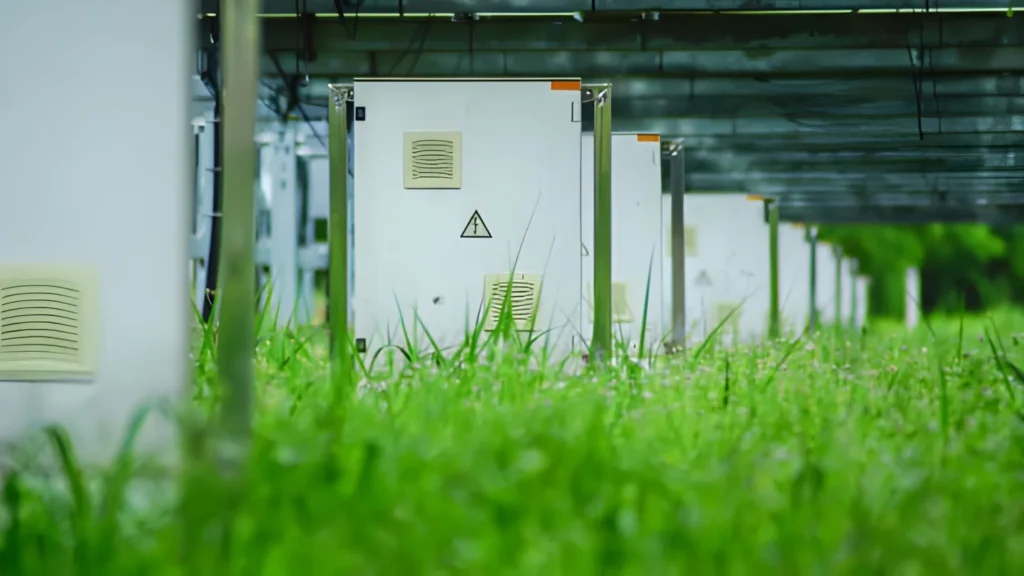
PV Carports and Solar Canopies
Carports and canopies look simple, but they introduce unique design constraints.
What Makes Them Different?
- Exposure to weather from multiple directions
- Long, narrow array layouts
- Aesthetic considerations
Because these systems are often visible to the public, both safety and appearance matter.
Practical Combiner Box Choices
For carport systems, designers typically prefer:
- Slim-profile combiner boxes
- Bottom cable entry to reduce water ingress
- Reliable surge protection
A thoughtfully placed solar panel combiner box can blend into the structure instead of becoming an eyesore.
Systems with Smart Monitoring and Advanced O&M
Some projects are built with performance optimization as a top priority. Here, the combiner box becomes a data source, not just a junction point.
When Smart Combiner Boxes Make Sense
- Large portfolios with remote sites
- Projects with performance guarantees
- Systems operating under tight margins
Smart combiner boxes provide string-level current and voltage data, enabling faster diagnostics and proactive maintenance.
| Capability | Operational Benefit |
|---|---|
| String monitoring | Faster fault detection |
| Remote communication | Reduced site visits |
| Data integration | Better performance analysis |
If long-term O&M efficiency is part of your business model, this type of solar panel combiner box is often worth the investment.
Installation and Maintenance Across Applications
Regardless of application, some best practices apply everywhere:
- Correct fuse sizing for each string
- Proper grounding and bonding
- Clear labeling for safety and inspections
However, maintenance strategies differ. Rooftop systems favor quick visual checks, while solar farms rely heavily on monitoring data. Matching the combiner box design to your maintenance approach avoids friction later.
Final Thoughts
Looking at a solar panel combiner box through the lens of application changes how you evaluate it. The “right” solution depends on where it’s installed, how the system operates, and who maintains it. Rooftops, solar farms, and industrial sites all demand different priorities.
When you align combiner box selection with real-world use cases, you reduce risk, simplify operations, and support long-term system performance. If you’re planning a project and want guidance tailored to your specific application, it’s often worth discussing requirements early—before design decisions become costly to change.
FAQ
Do different applications require different electric power meters?
Yes. Commercial, industrial, and utility-scale systems often use different meter classes depending on voltage level, accuracy requirements, and grid regulations.
Is the electric power meter installed inside the combiner box?
No. Electric power meters are installed on the AC side, typically near the inverter output or point of grid interconnection.
Can smart combiner boxes replace electric power meters?
They cannot. Smart combiner boxes provide operational data, while electric power meters are certified for energy measurement and billing.
Why is metering more critical in utility-scale projects?
Because revenue, compliance, and performance guarantees depend on accurate energy measurement, often audited by third parties.
Should metering strategy influence combiner box selection?
Indirectly, yes. Projects with advanced metering and monitoring usually benefit from smart combiner boxes that align with their data-driven approach.