Distribution Box: Key Functions, Components, and Selection Tips
The distribution box (DB box) plays a key role in safely and efficiently distributing electrical power. Electrical systems are vital for both homes and industries today. But what exactly is a power distribution box, and why does it matter so much in our daily lives?
The DB panel board controls how electricity flows. It protects homes and businesses from electrical dangers. Acting like the heart of an electrical system, it keeps circuits organized, safe, and easy to manage.
What Is a Distribution Box
Distribution boxes, also called distribution boards, are essential components in both residential and commercial electrical systems.
Their main role is to distribute electrical power throughout a home or building.
Acting as a central hub, a distribution box receives electricity from the main power source and directs it safely to various circuits and outlets.
This ensures that power flows efficiently and that circuits are protected from overloads or faults.
To understand more about how distribution boxes function and their importance, continue reading.
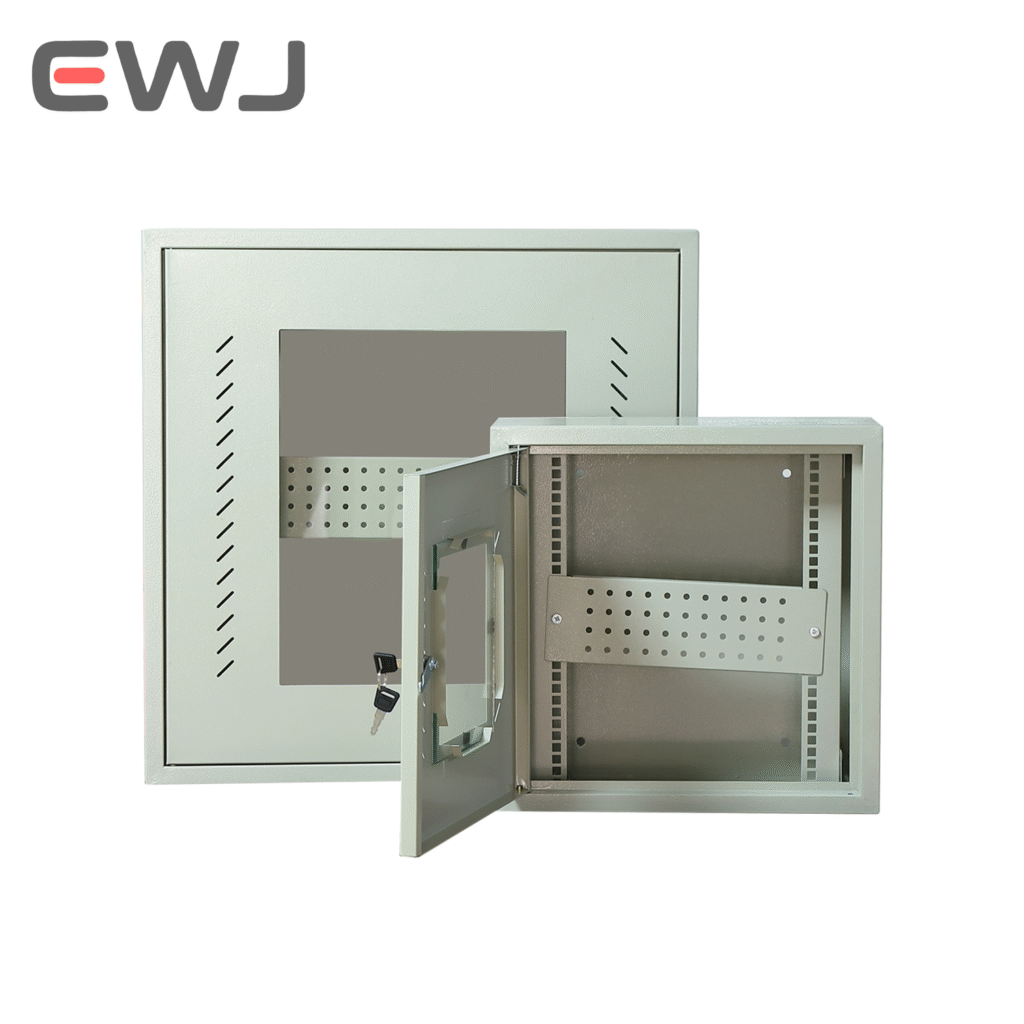
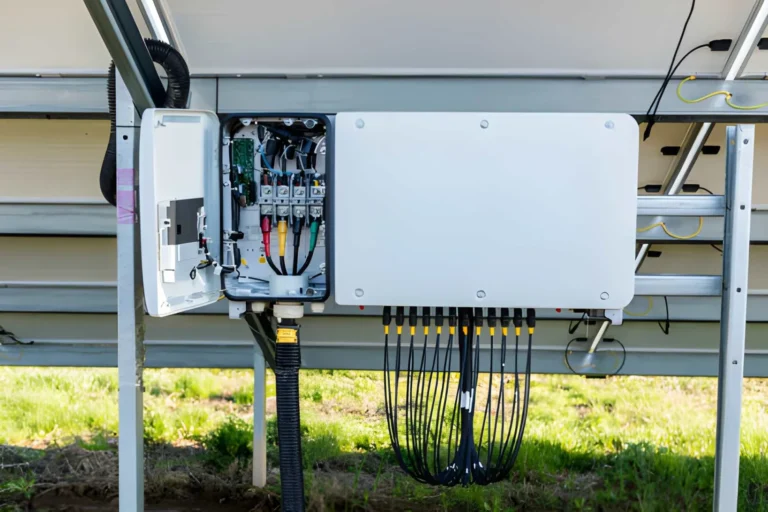
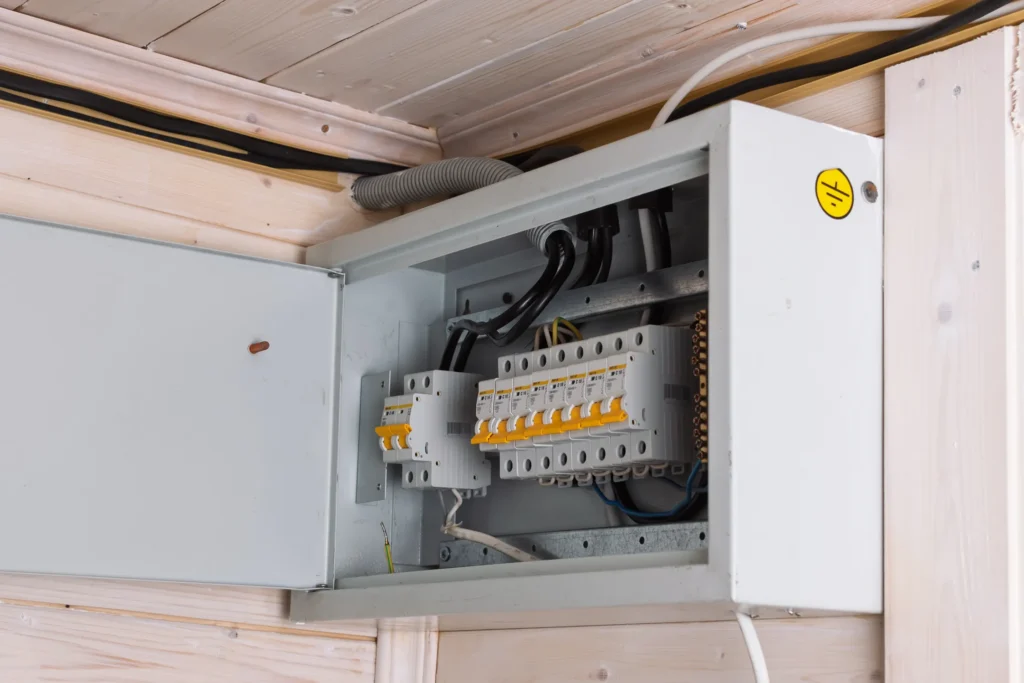
What are the components of the distribution box?
A distribution box is usually made from durable materials like engineering thermoplastics such as Polycarbonate (PC), Acrylonitrile Styrene Acrylate (ASA), or stainless steel with epoxy or powder coating.
These materials protect the box and its internal parts from damage and wear. Inside, several key components work together to ensure safe and efficient power distribution:
- Circuit Breakers: These devices protect circuits by cutting off power during overloads or short circuits, preventing damage.
- Residual Current Circuit Breaker (RCCB): RCCBs detect small imbalances in electrical current to enhance safety. They are often used alongside circuit breakers and are required by electrical codes in many areas.
- Isolators: Manually operated switches that allow electricians to safely disconnect parts of the circuit for maintenance, reducing the risk of electric shock.
- Bus Bars: Metal strips that carry electricity within the box, serving as central connection points for circuits.
- Neutral Link: Provides a return path for electrical current, ensuring the system functions correctly.
- Grounding Bus Bar: A safety feature that directs excess current safely into the ground during faults, helping to prevent shocks and fires.
- Enclosure: The outer case that shields all components from dust, moisture, and physical damage.
- Electrical Wiring: Includes wiring for solar panels or other equipment, often protected by devices like Miniature Circuit Breakers (MCBs).
- Surge Protective Device: Protects the system from sudden power surges caused by lightning or faults between phases.
- Indication Lights: These lights show the status and availability of the main power supply, providing a quick visual check.
Each part has a specific role, and together they keep the distribution box working safely and efficiently. Some advanced distribution boxes also include extra features like energy monitoring units and communication modules. These allow for real-time data tracking and remote control, improving management and safety.
If you want to explore high-quality distribution box options, EWJ offers a full range with premium components and advanced safety features. Their experts can help you find the best solution for your needs.
| Component | Description |
|---|---|
| Material | Made from engineering plastics like Polycarbonate (PC), Acrylonitrile Styrene Acrylate (ASA), or epoxy/powder-coated stainless steel to protect the box and internal parts. |
| Circuit Breakers | Cut off power during overloads or short circuits to prevent damage. |
| Residual Current Circuit Breaker (RCCB) | Detects current imbalances to enhance safety; often used with circuit breakers and required by electrical codes in many regions. |
| Isolators | Manually operated switches to safely disconnect parts of the circuit for maintenance. |
| Bus Bars | Metal strips that conduct electricity and serve as central connection points for circuits. |
| Neutral Link | Provides a return path for current, ensuring proper system operation. |
| Grounding Bus Bar | Directs excess current safely into the ground during faults to prevent shocks and fires. |
| Enclosure | Outer casing that protects internal components from dust, moisture, and physical damage. |
| Electrical Wiring | Wiring for solar panels and other equipment, often protected by devices like Miniature Circuit Breakers (MCBs). |
| Surge Protective Device | Protects against power surges caused by lightning or phase-to-phase faults. |
| Indication Lights | Show the status and availability of the main power supply for quick visual checks. |
How Distribution Boxes Work
Distribution boxes receive electrical power from the main power line or another primary source and then distribute it to various outlets and circuits within a building.
Their key function is to manage the flow of electricity safely and efficiently. By doing so, they prevent circuits from becoming overloaded, which can pose serious fire risks.
Each circuit can only handle a limited amount of power, and if exceeded, it may cause overheating or damage.Inside the distribution box, components like circuit breakers and fuses act as protective devices.
They automatically cut off power if a circuit draws too much electricity, stopping potential hazards before they occur.
This setup ensures that electrical power is divided properly across different parts of a home or commercial space, maintaining safety and reliability.
In essence, the distribution box acts as a central hub, distributing electricity while protecting the system from overloads and faults.
This makes it a crucial part of any electrical installation, helping to keep both people and property safe from electrical accidents.
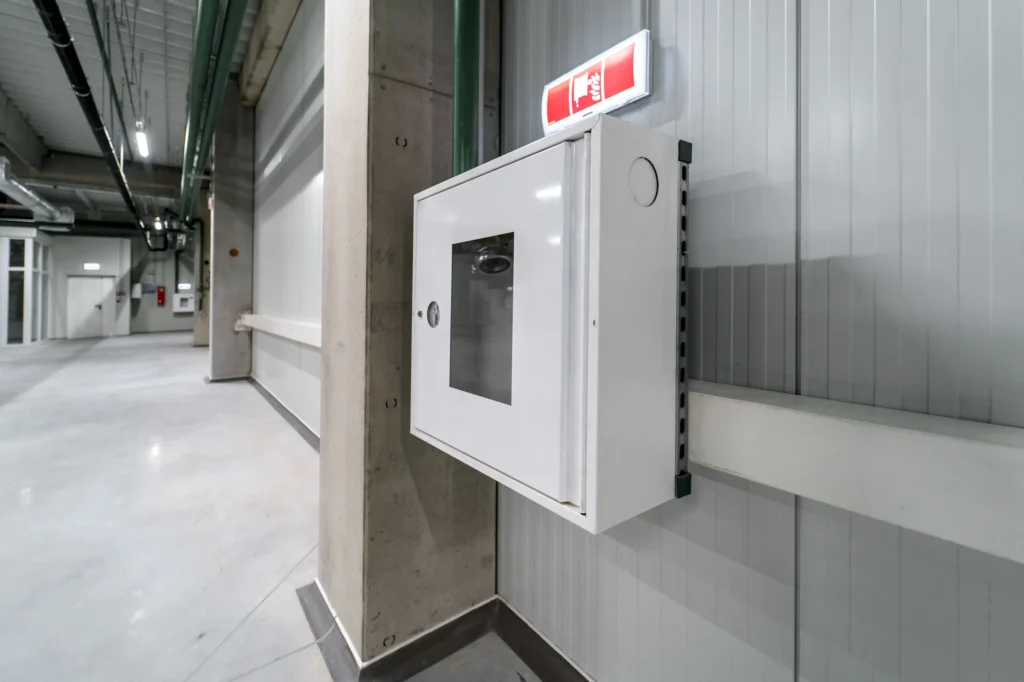
Discover EWJ’s DB Box Collection
Don’t compromise on safety—browse our reliable Distribution Boxes and order yours today!
What to Look for When Choosing a Distribution Box
When selecting a distribution box, there are a few important factors to consider. First, the material matters. A durable material like synthetic rubber is a good option because it can handle regular use without wearing out or getting damaged.
Distribution boxes come in various types. For example, you can find Navy configurations as well as standard industrial U-ground configurations. Knowing which type fits your needs is essential.
Another feature to check is the receptacles. Some distribution boxes have fixed receptacles, while others offer replaceable ones. Boxes with replaceable receptacles are more flexible since you can swap them out to suit different electrical setups.
Cord length is also important. Make sure the distribution box has a cord long enough to connect to the main power source. If the cord is too short, it might not reach, which could cause installation problems.X
By paying attention to these details, you can choose a distribution box that fits your needs and works safely and efficiently.
| Factor | Details |
|---|---|
| Material | Choose durable materials like synthetic rubber, which can withstand regular use without damage. |
| Types | Distribution boxes come in various types, such as Navy configurations and standard industrial U-ground configurations. Select the type that fits your needs. |
| Receptacles | Some boxes have fixed receptacles, while others have replaceable ones for greater flexibility in different setups. |
| Cord Length | Ensure the cord is long enough to reach the main power source to avoid installation issues. |
In Conclusion
Almost every residential and commercial electrical system includes at least one distribution box.
As its name implies, this device’s main job is to distribute electrical power.
It receives electricity from the main power line and then spreads it throughout the entire home or building where it is installed.