Distribution Box Electrical Architecture as the Backbone of Power Strategy
What if your distribution box electrical system is not just a safety enclosure—but a strategic asset? In many projects, distribution boxes are treated as passive hardware, specified late in the design process and chosen mainly on price. That mindset is increasingly risky. As power systems become more decentralized, data-driven, and reliability-critical, the distribution box has evolved into a structural decision that affects uptime, scalability, compliance, and even operating costs.
In this article, we’ll shift perspective. Instead of asking “Which distribution box do I need?”, we’ll explore “What role should the distribution box play in my electrical strategy?” This approach is especially relevant for industrial operators, EPCs, facility managers, and commercial buyers evaluating long-term value rather than short-term cost.
Why Distribution Box Electrical Design Is No Longer a Commodity
Traditionally, a distribution box electrical unit was seen as a standardized component. If it fit the breakers and met voltage ratings, it was “good enough.” That assumption no longer holds.
Today’s power environments are shaped by:
- Variable loads
- Automation and digital control
- Energy efficiency targets
- Higher safety and compliance pressure
In this context, the distribution box becomes the interface between power infrastructure and operational intelligence. Poor design choices here propagate problems downstream—nuisance trips, energy blind spots, maintenance delays, and limited expansion capacity.
| Old Perspective | Modern Perspective |
|---|---|
| Passive enclosure | Active system node |
| Cost-driven | Risk and lifecycle-driven |
| Fixed configuration | Scalable and modular |
| Manual inspection | Data-enabled monitoring |
Distribution Boxes as Load Management Instruments
One overlooked role of a distribution box electrical system is load orchestration. It doesn’t just split power—it defines how loads interact under stress.
In industrial and commercial environments, uneven load distribution causes:
- Overheating of conductors
- Premature breaker wear
- Reduced power quality
Well-designed distribution boxes address this through:
- Proper phase balancing
- Dedicated circuits for sensitive loads
- Logical grouping based on load behavior
This is especially critical in facilities with:
- Motors and VFDs
- HVAC systems
- Data and control equipment
| Load Type | Risk if Poorly Managed | Design Response |
|---|---|---|
| Motors | Inrush current spikes | Separate feeders |
| IT equipment | Voltage fluctuation | Isolated circuits |
| HVAC | Simultaneous peak load | Staggered protection |
The Structural Role of Enclosures and Materials
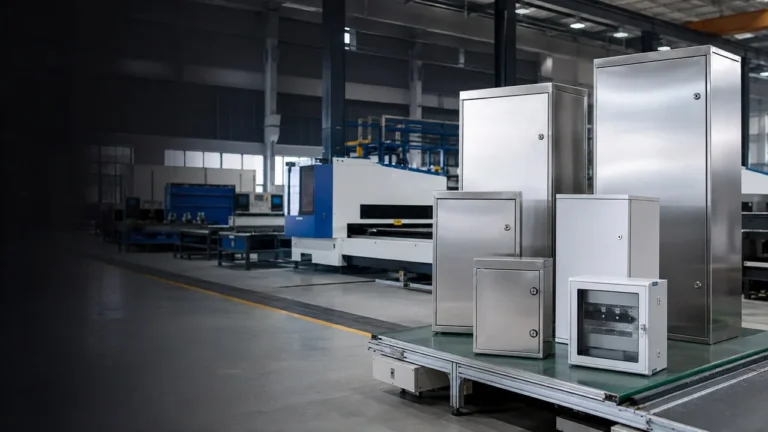
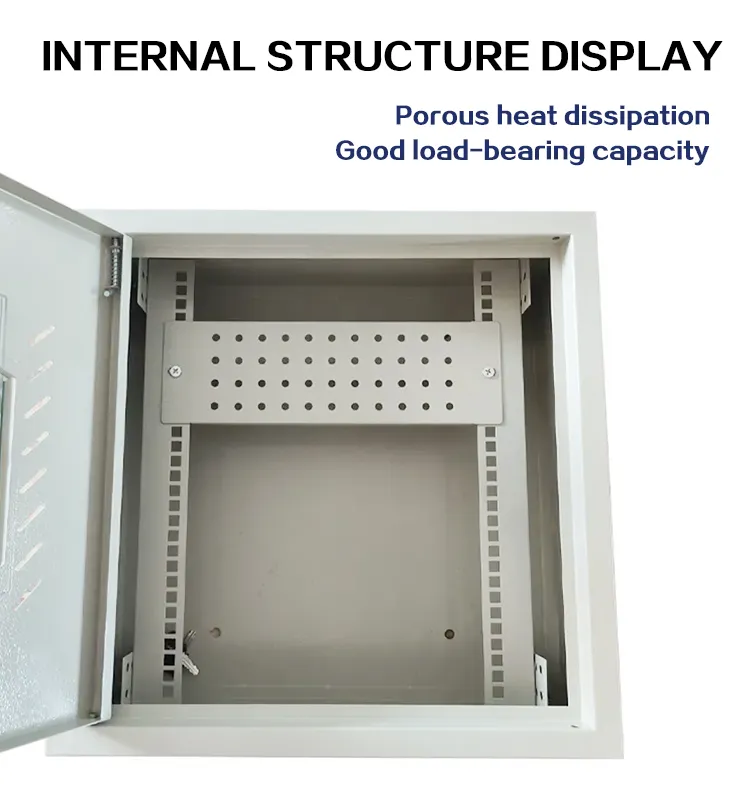
When evaluating a distribution box electrical solution, enclosure design is often underestimated. Yet enclosure failure is one of the most common causes of system degradation.
Material choice directly affects:
- Heat dissipation
- Corrosion resistance
- Mechanical durability
Common enclosure materials include:
- Powder-coated steel for indoor industrial use
- Stainless steel for corrosive environments
- Reinforced plastic for lightweight or chemical-resistant applications
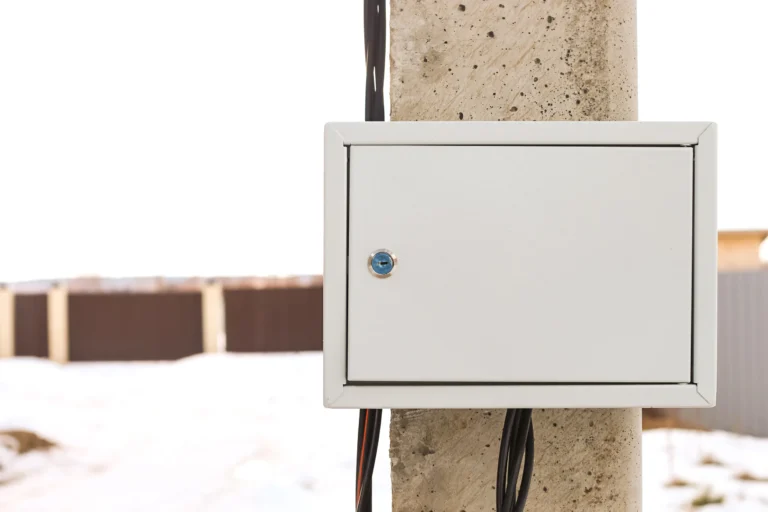
Ingress protection is not just about rain or dust. It’s about maintaining predictable internal conditions so breakers and meters perform within specification.
| Environment | Recommended IP Rating | Typical Risk |
|---|---|---|
| Clean indoor | IP30–IP40 | Accidental contact |
| Industrial indoor | IP54 | Dust ingress |
| Outdoor | IP65+ | Moisture, UV exposure |
Integration with Electric Power Meters and Data Systems
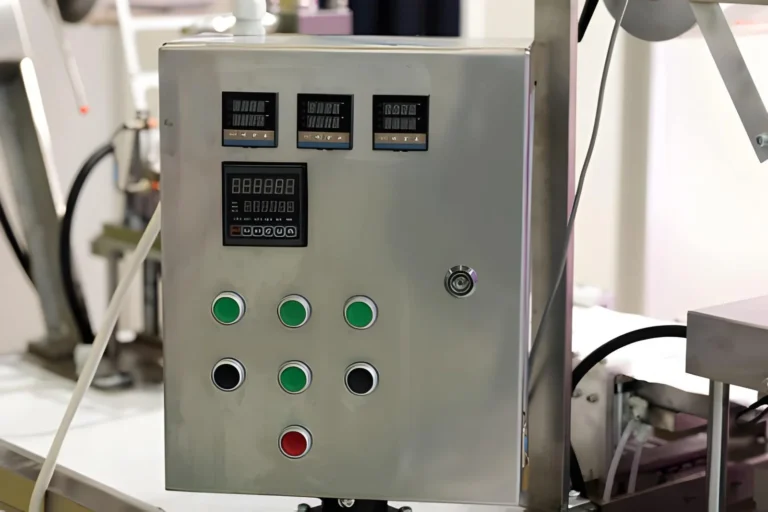
Modern distribution box electrical systems increasingly serve as measurement hubs. Integrating electric power meters at the distribution level unlocks insights that upstream metering cannot provide.
At this layer, power meters can:
- Track circuit-level consumption
- Identify inefficiencies by zone or process
- Support internal cost allocation
Unlike utility meters, distribution-level meters help answer operational questions:
- Which production line consumes the most energy?
- Where do peak loads actually originate?
- Which circuits are underutilized?
This data becomes actionable when combined with:
- Building management systems
- Energy management software
- Preventive maintenance plans
Smart Distribution Boxes: From Protection to Prediction
The rise of smart distribution box electrical designs marks a shift from protection to prediction. Instead of reacting to faults, systems now anticipate them.
Smart features may include:
- Real-time current and temperature monitoring
- Breaker status feedback
- Remote alarms and diagnostics
This is particularly valuable in:
- Unmanned facilities
- Distributed assets
- Critical uptime environments
| Capability | Operational Benefit |
|---|---|
| Remote monitoring | Reduced inspection labor |
| Load trend analysis | Capacity planning |
| Early fault alerts | Downtime prevention |
While not every project needs full digitalization, ignoring smart options can limit future upgrades. Even basic communication-ready designs preserve flexibility.
Compliance Is a Design Constraint, Not a Checkbox
Electrical compliance is often treated as an approval step. In reality, it’s a design framework that shapes the distribution box electrical system from the beginning.
Standards influence:
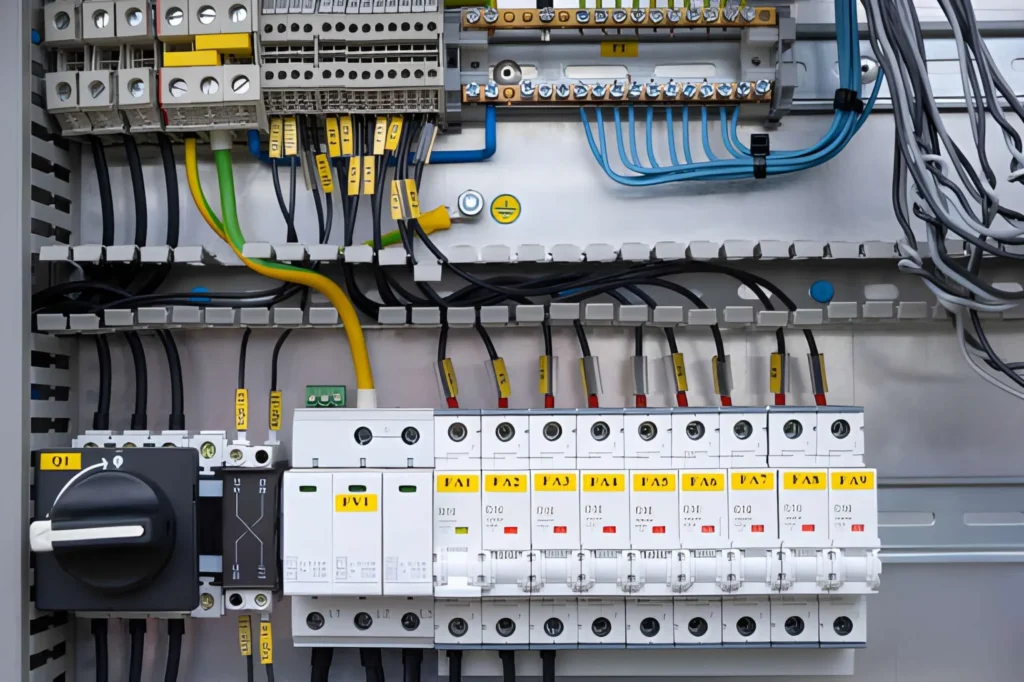
- Internal spacing and creepage distances
- Component selection
- Labeling and documentation
Depending on market and application, relevant standards may include:
- IEC for international projects
- UL for North American markets
- Local electrical codes
A compliant design does more than pass inspection. It:
- Simplifies maintenance
- Reduces liability
- Improves acceptance in regulated industries
| Compliance Area | Practical Impact |
|---|---|
| Clear labeling | Faster troubleshooting |
| Certified components | Predictable performance |
| Documentation | Easier audits |
Scalability: Designing for the Second Life of the System
One of the most expensive mistakes is designing a distribution box electrical system that only fits today’s needs. Expansion is rarely hypothetical—it’s expected.
Scalable design considers:
- Spare breaker capacity
- Modular internal layouts
- Physical space for future meters or communication modules
Even modest foresight can avoid full replacement later. If you anticipate growth, it’s worth discussing modular or expandable configurations early. A short technical consultation or inquiry can clarify what level of future-proofing makes sense for your application.
Strategic Selection Criteria Beyond Price
When distribution boxes are evaluated only on unit cost, hidden risks accumulate. A more strategic evaluation considers:
- Lifecycle cost
- Downtime risk
- Maintenance accessibility
- Data visibility
| Criterion | Short-Term Focus | Strategic Focus |
|---|---|---|
| Price | Lowest upfront | Total lifecycle |
| Design | Fixed | Modular |
| Monitoring | None | Optional/ready |
| Maintenance | Reactive | Preventive |
This shift in mindset is where experienced buyers separate commodity hardware from infrastructure assets.
Closing Perspective
A distribution box electrical system is no longer just a box on the wall. It’s a structural element of your power strategy—one that influences safety, efficiency, scalability, and insight. When designed with intent, it becomes a platform rather than a limitation.
By reframing how you evaluate distribution boxes—from passive components to active system nodes—you gain better control over risk and performance. And in an era where power reliability and data visibility matter more than ever, that shift is not just smart. It’s necessary.
FAQs
Why install electric power meters inside a distribution box?
Because distribution-level metering provides granular insight into how energy is actually used across circuits, not just total consumption.
Do smart electric power meters require smart breakers?
Not necessarily. Many meters work independently and can be retrofitted into existing distribution boxes.
Can electric power meters improve power quality monitoring?
Yes. Advanced meters can detect voltage imbalance, harmonics, and load anomalies.
Are electric power meters necessary in small commercial systems?
While not mandatory, they are increasingly used for cost control and energy optimization, even in smaller facilities.
How often should electric power meters be calibrated?
This depends on standards and application, but industrial meters typically follow periodic calibration schedules defined by compliance requirements.