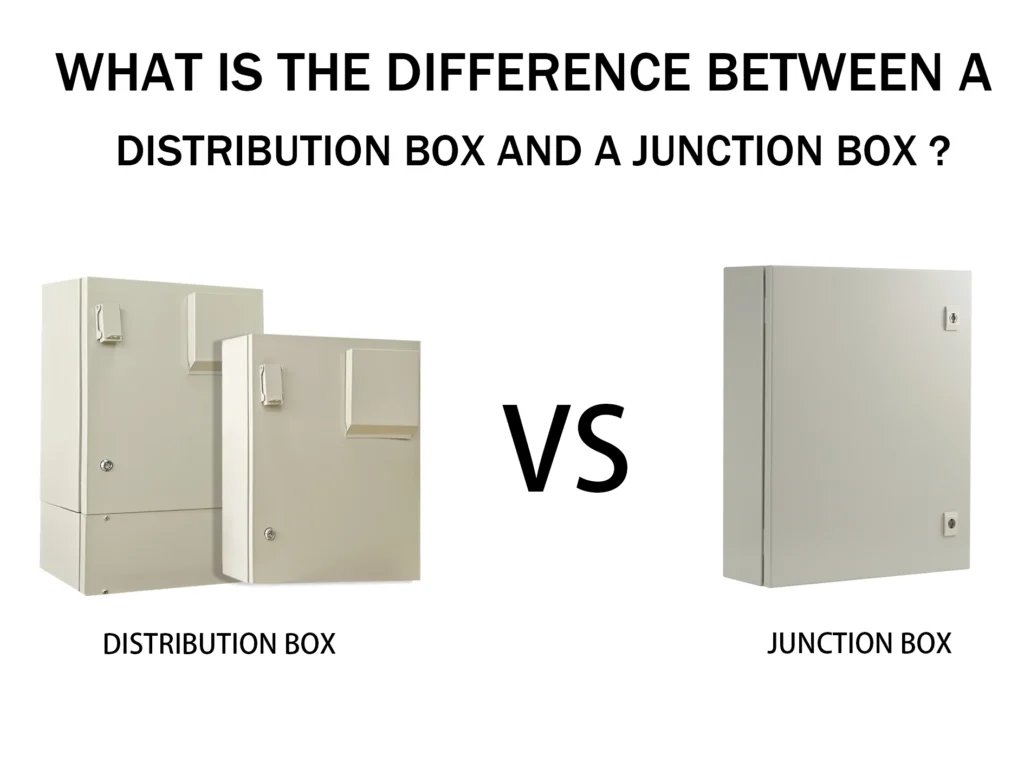
What is the difference between a distribution box and a junction box
A distribution box and a junction box serve different roles in electrical systems. Understanding their distinct functions helps ensure safe, efficient, and compliant installations.
People often confuse distribution boxes with junction boxes. While both are electrical enclosures, they perform different tasks. This article clarifies their purposes, designs, and typical uses.
Understanding Distribution Boxes
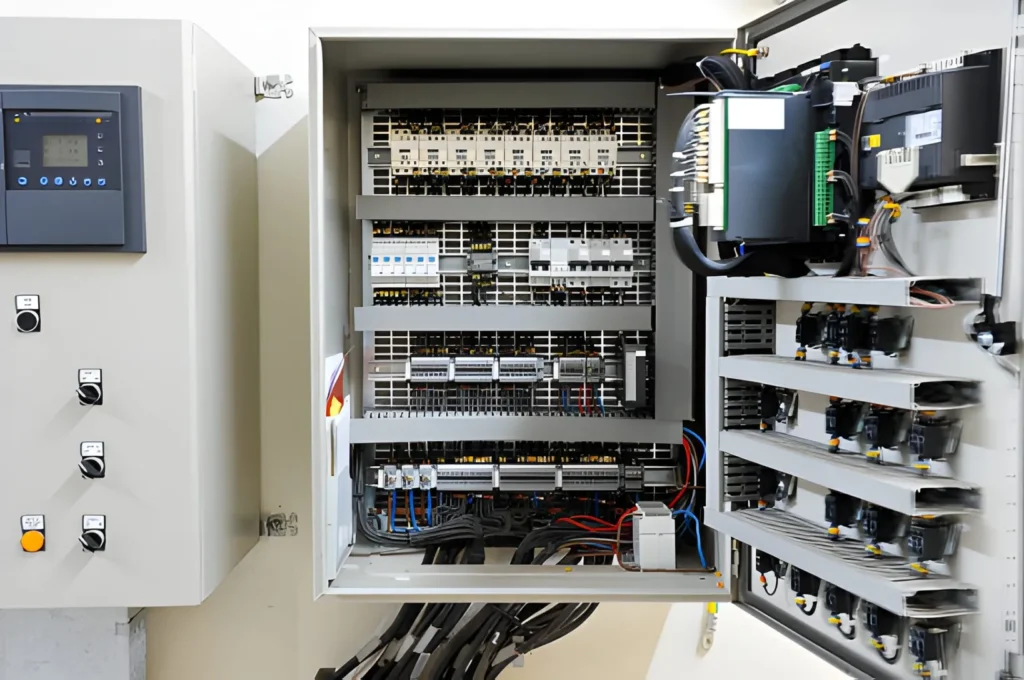
A distribution box functions as the building’s power hub. It receives the main electrical feed and splits it into multiple circuits, ensuring each branch carries the right amount of current.
It houses protective devices—such as circuit breakers or fuses—that automatically disconnect if a fault or overload occurs, preventing damage and reducing fire risk. In many installations, it also supports monitoring or energy-management features to help operators track consumption and identify irregularities.
Typical placements include electrical rooms, basements, or service areas where main circuits converge, and its role spans residential buildings, commercial facilities, and light industrial sites with several sub-circuits.
In short, it centralizes distribution, protection, and, when present, monitoring for safe, reliable power delivery.
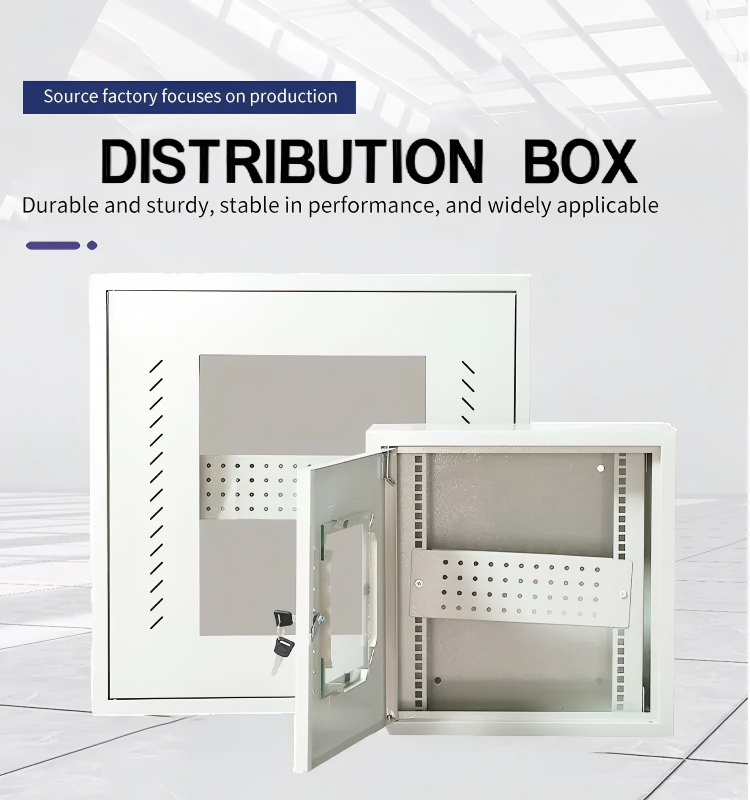
Understanding Junction Boxes
A junction box is an enclosure for joining and routing wires.
Its primary purpose is to provide a secure, protected space for wire splices, terminations, and connections, shielding them from moisture, dust, and accidental contact.
Junction boxes offer flexibility in wiring layouts, enabling branches, extensions, or changes in routing through ceilings, walls, or conduits.
They are typically smaller and simpler than distribution boxes and come in metal or plastic, chosen for durability and environmental suitability.
Common uses include ceiling fixtures, wall outlets, and points where cables converge along a run. The focus is on safeguarding connections and maintaining orderly, accessible wiring architecture.
How to choose the right distribution box and junction box
- Distribution box: Select when power must be distributed to multiple circuits with centralized control and protection. It’s essential for managing load, isolating faults, and enabling safe shutdowns across a building’s sub-systems.
- Junction box: Choose for local wire connections where power distribution is not required. Use it to enclose splices and terminations, organize wiring paths, and protect connections at specific points along a circuit.
Key difference between a distribution box and a junction box
| Feature | Distribution Box | Junction Box |
| Primary Purpose | Distributes power to multiple circuits and provides protection | Joins or branches wires, protects connections |
| Components Inside | Circuit breakers, fuses, busbars | Wire connectors, splices |
| Size | Larger, designed for multiple circuits | Smaller, for localized connections |
| Installation Location | Centralized (e.g., electrical rooms) | Distributed throughout the facility |
| Protection Level | High (overcurrent, short circuit) | Moderate (physical and electrical safety) |
Installation considerations
- Compliance and codes: Verify all components meet local electrical codes and standards, with clear labeling and accessible placement.
- Sizing and capacity: Match box size to the number of conductors, wire gauge, and anticipated load. Overcrowding increases heat buildup and safety risks.
- Environmental rating: Select enclosures with appropriate IP or NEMA ratings for moisture, dust, or chemical exposure.
- Accessibility: Place distribution boxes where service and maintenance are straightforward; ensure junction boxes are accessible for inspection yet protected from incidental contact.
- Wiring practices: Use proper connectors, strain relief, and sealing where needed to prevent movement, moisture ingress, or corrosion.
Conclusion
In short, distribution boxes centralize power distribution and protection for multiple circuits, while junction boxes secure and organize wire connections at specific points. Selecting the right type ensures safe, compliant, and efficient electrical systems.
FAQs
What is the main difference between a distribution box and a junction box?
A distribution box distributes power to multiple circuits and includes protection, while a junction box simply joins and protects wire connections.
Do junction boxes contain circuit breakers?
No. Junction boxes do not include circuit breakers or fuses; they are meant for splices and terminations.
Where should a distribution box be installed?
Typically in centralized locations such as electrical rooms or basements near the main panel to manage multiple circuits safely.
Can a junction box be used as a distribution box?
No. They serve different purposes; a junction box cannot replace circuit protection and power distribution found in a distribution box.
How do I size a distribution box?
Size it based on the number of circuits, expected load, and potential future expansion; avoid overcrowding to maintain safety and heat management.
What environmental factors matter for these boxes?
Choose enclosures with appropriate IP/NEMA ratings for moisture, dust, and exposure conditions; ensure accessibility for maintenance.