What is a distribution box (DB box)?
Table of Contents
A distribution box (DB box) is a key part of electrical wiring, acting as a central hub where cables branch out to various outlets and switches in a building.
It supports different cable sizes and types, enabling smooth and fast power distribution.
This device is vital for both safety and performance, making sure electricity is safely directed to different areas while allowing easy control of electrical circuits.
What is a Distribution Box?
A distribution box, often called a DB box, is a protective enclosure for circuit breakers and other key electrical components. It acts as the central point in any electrical system, receiving power from a single source and safely distributing it to multiple circuits within a building—whether it’s a home, office, or factory.
The main purpose of the DB box is to manage power supply safely and efficiently, preventing electrical faults by housing devices like circuit breakers, fuses, and bus bars. These components work together to stop issues such as overloads or short circuits from damaging the system, ensuring the electrical setup remains organized and secure.
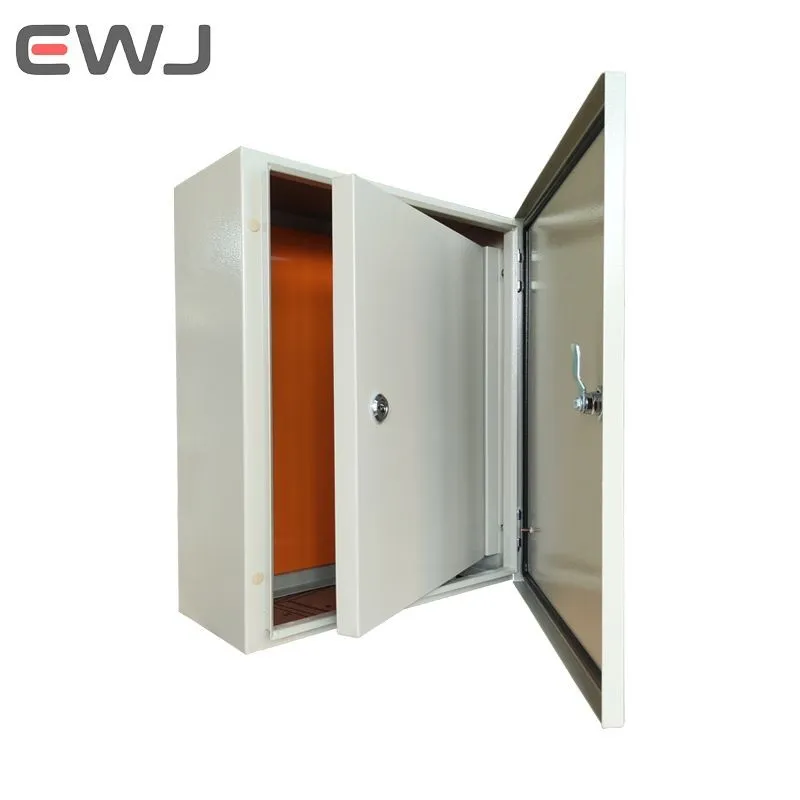
Components of a Distribution Box
A distribution box is made from durable materials like Polycarbonate, Acrylonitrile Styrene Acrylate, or epoxy- or powder-coated stainless steel. It contains various key parts that keep the electrical system working safely and efficiently:
- Circuit Breakers: These protect circuits by tripping to cut off power during overloads or short circuits.
- Residual Current Circuit Breaker (RCCB): Sensitive breakers that detect small imbalances in current to provide extra safety.
- Isolators: Manual switches used to safely disconnect parts of a circuit for maintenance.
- Bus Bars: Metal strips that conduct electricity and serve as a main connection point for circuits.
- Neutral Link: Provides a return path for electrical current.
- Grounding Bus Bar: Offers a safe path for excess current to flow into the ground, preventing shocks and fires.
- Enclosure: The outer case that protects internal components from dust, moisture, and damage.
- Electrical Wiring: Includes wiring for solar panels and protected circuits like MCBs.
- Surge Protective Device: Guards against power surges from lightning or faults.
- Indication Lights: Show the status and availability of the main power supply.
| Component | Description |
|---|---|
| Circuit Breakers | Protect circuits by cutting power during overloads or short circuits. |
| Residual Current Circuit Breaker (RCCB) | Detect small current imbalances for extra safety protection. |
| Isolators | Manual switches that safely disconnect circuits for maintenance. |
| Bus Bars | Metal strips that conduct electricity and serve as main connection points for circuits. |
| Neutral Link | Provides a return path for electrical current. |
| Grounding Bus Bar | Routes excess current safely to ground to prevent shocks and fires. |
| Enclosure | Outer casing that protects internal parts from dust, moisture, and damage. |
| Electrical Wiring | Wiring for protected circuits and solar panels with safety devices like MCBs. |
| Surge Protective Device | Protects against voltage surges caused by lightning or faults. |
| Indication Lights | Show status and availability of the main power supply. |
Each part has a specific role, working together to ensure the distribution box functions reliably and safely. Advanced DB boxes may also include smart features like energy monitors and communication modules for real-time data and remote control.
Types of Distribution Boxes Based on Fitting
Distribution boxes come in different types to fit various needs:
- Single-phase Distribution Box: Mostly used in homes; designed for lower power needs with fewer circuit breakers.
- Three-phase Distribution Box: Used in commercial and industrial settings; can handle larger loads for factories or big buildings.
- Surface-mounted Distribution Box: Mounted directly on walls for easy installation and access, ideal for outdoor or industrial areas.
- Flush-mounted Distribution Box: Installed inside walls for a neat appearance, common in modern residences and offices.
- Smart Distribution Box: Includes advanced features like remote monitoring, energy management, and automation, representing the future of electrical distribution.
| Type | Description | Typical Use | Features |
|---|---|---|---|
| Single-phase Distribution Box | Designed for lower power loads with fewer circuit breakers | Mostly used in homes | Suitable for residential electrical systems |
| Three-phase Distribution Box | Can handle larger loads, ideal for factories and large buildings | Commercial and industrial settings | Supports high power requirements |
| Surface-mounted Distribution Box | Mounted directly on walls for easy installation and access | Outdoor or industrial environments | Easy access and installation |
| Flush-mounted Distribution Box | Installed inside walls for a clean, neat appearance | Modern homes and offices | Concealed look, indoor use |
| Smart Distribution Box | Includes advanced features like remote monitoring, energy management, and automation | Any setting needing smart controls | Future-ready, supports automation |
Choosing the right distribution box depends on the power demand, installation setting, and whether advanced smart functions are needed. Whether for basic residential use or high-tech solutions, there are options to suit all requirements.

What is the purpose of a distribution box? – Power Distribution & Electrical Supply
The main purpose of a distribution box is to safely and efficiently distribute electrical power throughout a building. It serves as the central point where electricity from the main supply is divided and balanced among various circuits.
Inside the box, components like circuit breakers and bus bars work to protect the system by preventing overloads, short circuits, and other faults that could cause damage or fire hazards.
This power distribution box ensures that electrical loads are evenly managed, helping to protect appliances and maintain safety. It also offers easy access for maintenance and allows for efficient control of the power supply according to current needs.
Overall, the distribution box plays a critical role in maintaining a secure, organized, and functional electrical system.
Why DB Boxes Are Critical for Electrical Safety?
DB boxes are vital for ensuring electrical safety by acting as protectors and managers of power flow within circuits. They prevent overloads and short circuits using circuit breakers or fuses that automatically cut off power when faults occur, thereby reducing the risk of electrical fires, shocks, or equipment damage. These devices serve as the first line of defense in an electrical system by stopping excess current before it causes harm.
Additionally, DB boxes often include surge protection to guard sensitive equipment from voltage spikes caused by lightning or power faults. This surge protector safely diverts excess energy, much like a lightning rod, protecting the electrical system from damage.
Fire safety is also enhanced by the use of fire-resistant materials and internal safety mechanisms within the DB box, which help contain sparks or overheating to prevent fires. Together, these features make the DB box a critical component for maintaining a safe and reliable electrical environment.

How to Choose the Right DB Box for Your Needs
Choosing the right DB box becomes simpler when considering some key factors:
- Electrical Load
Assess the total electricity your system needs to handle. Small homes or businesses generally require a low-voltage DB box, while large industrial setups need high-voltage boxes to manage bigger loads. If uncertain, consulting an electrician to calculate your system’s power demand is advised. - Installation Environment
Determine where the DB box will be installed. For outdoor or humid areas, select a box that is weatherproof and resistant to corrosion, able to withstand rain, dust, and temperature extremes. Indoor installations in clean settings can often use plastic boxes, but ensure they meet necessary safety ratings like IP protection. - Safety Certifications
Always verify that the DB box carries proper safety certifications such as CE, IEC, or UL marks. These guarantee compliance with international safety and quality standards. - Size and Future Needs
Choose a box spacious enough to house all required components—circuit breakers, wires, fuses—without overcrowding, which can cause overheating. It’s wise to allow extra space for possible future additions or upgrades, preventing the need for costly replacements later.
By keeping these points in mind, it’s possible to select a DB box that matches current and future electrical needs safely and efficiently.
Installation and Maintenance Tips for Distribution Boxes
Proper installation and regular maintenance of a distribution box are crucial for safety and durability. Here are key tips:
- Location: Install the distribution box in a dry, well-ventilated, and easily accessible area. In industrial settings, consider environmental factors like dust and moisture.
- Wiring: Make sure only certified electricians handle the wiring of circuit breakers and grounding systems to avoid hazards.
- Routine Inspections: Regularly check for signs of wear, loose connections, or faulty breakers. Ensure the grounding bus bar is properly connected.
- Quality Components: Use durable, high-quality parts such as fuse boxes, main lug panels, and automatic transfer switches to increase reliability.
- Plan for Growth: Install a sub-panel or choose a box size with enough room to accommodate future electrical expansion without costly upgrades.
Conclusion
Choosing the right DB box and maintaining it properly is key to a safe and efficient electrical system.
With the right knowledge about its types, functions, and safety features, you can protect your home or business from electrical risks.
Regular inspections and professional installation ensure your DB box performs reliably for years to come, giving you confidence in your electrical setup.
FAQs
What is the lifespan of a DB Box?
A DB Box typically lasts between 15 and 30 years. The exact lifespan depends on factors like the quality of materials, the environment it operates in, and how well it is maintained.
Can I install a DB Box myself?
While it is possible to install a DB Box on your own, it is strongly advised to hire a licensed electrician. This ensures the installation is safe and meets electrical regulations.
How can I tell if my DB Box is overloaded?
Signs of an overloaded DB Box include frequent circuit breaker trips, excessive heat around the box, and flickering lights. If these occur, have a professional inspect the system promptly.