Объяснение комбинированного блока солнечных батарей для современных фотоэлектрических систем
Вы когда-нибудь смотрели на большой солнечный массив и задавались вопросом, как безопасно управляются десятки панелей, прежде чем энергия достигнет инвертора? Именно в этом месте солнечная распределительная коробка pv тихо выполняет свою работу. Хотя этот компонент редко попадает в поле зрения, он играет важнейшую роль в безопасности, производительности и долгосрочной надежности системы.
В этой статье мы расскажем о том, что такое объединительная коробка для солнечных батарей, как она работает, какие существуют типы и как выбрать подходящую для вашего проекта - будь то коммерческая система на крыше или солнечная электростанция в масштабах предприятия.
Что такое объединительная коробка для солнечных батарей и почему она важна
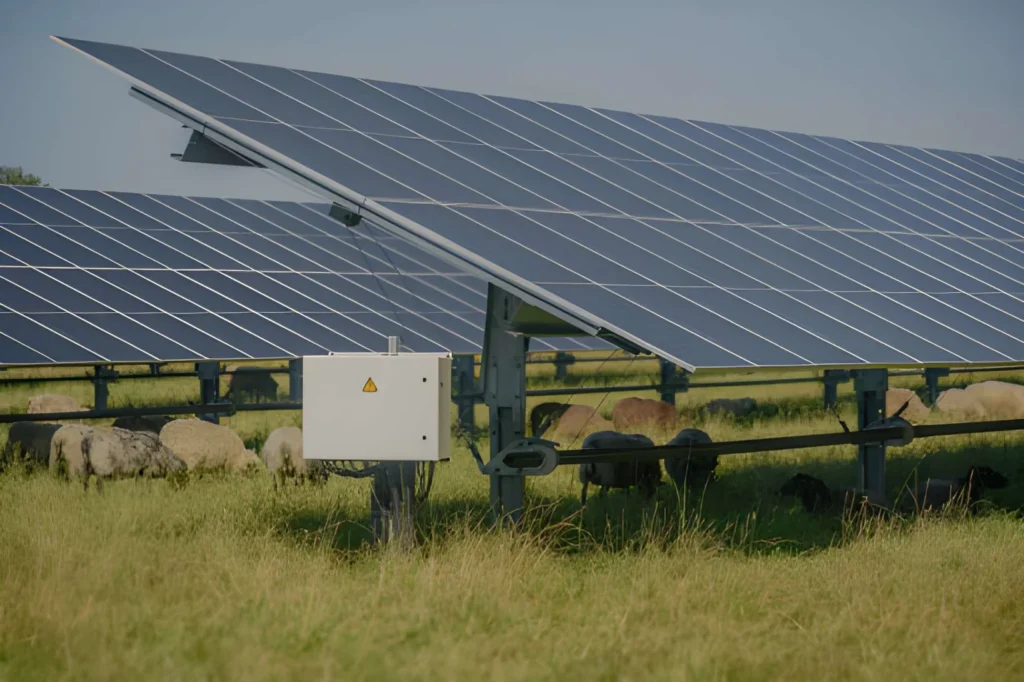
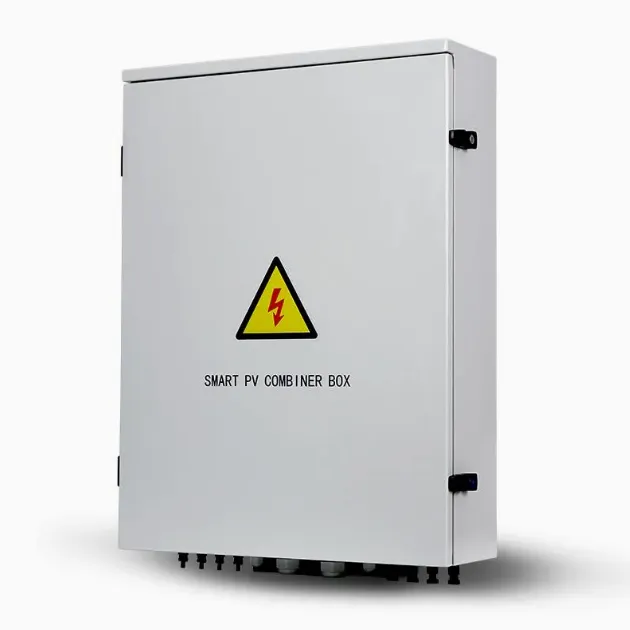
A Распределительная коробка для солнечных батарей это электрический корпус, который объединяет несколько входных цепей постоянного тока от солнечных панелей в один выход постоянного тока. Этот объединенный выход затем подается на инвертор или распределительный шкаф постоянного тока.
Вместо того чтобы прокладывать десятки отдельных кабелей до самого инвертора, вы их централизуете. Это упрощает проводку, снижает затраты на материалы и улучшает организацию системы.
Что еще более важно, объединительный блок для солнечных батарей включает в себя функции защиты и мониторинга, которые помогают предотвратить сбои и простои. Без него даже незначительная неисправность в одной нити может поставить под угрозу всю фотоэлектрическую систему.
Одним словом, он поможет вам:
- Повышение электробезопасности
- Сокращение потерь и нагромождения кабелей
- Упрощение обслуживания и устранения неисправностей
- Повышение масштабируемости системы
| Ключевая функция | Почему это важно |
|---|---|
| Объединение строк | Уменьшает сложность входного сигнала инвертора |
| Защита цепи | Предотвращает повреждения в результате неисправностей |
| Мониторинг | Обеспечивает более быстрое обнаружение неисправностей |
| Изоляция | Повышает безопасность обслуживания |
Основные компоненты комбинированной коробки для солнечных батарей
Если вы откроете комбинированный блок солнечных батарей, то не найдете ничего загадочного - каждый компонент имеет четкое назначение. Вместе они создают контролируемую и защищенную среду для агрегации энергии постоянного тока.
Основные внутренние компоненты
Большинство дизайнов включают в себя:
- Предохранители или выключатели постоянного тока для каждой строки
- Устройства защиты от перенапряжения постоянного тока (SPD)
- Разъединительный выключатель постоянного тока
- Шины для текущей агрегации
- Дополнительные модули мониторинга
Каждый из этих компонентов вносит свой вклад в стабильность системы. Например, предохранители изолируют неисправные линии, а защита от перенапряжения защищает оборудование от перенапряжения, вызванного молнией.
| Компонент | Функция |
|---|---|
| предохранитель постоянного тока | Защита отдельных фотоэлектрических панелей |
| СПД | Ограничивает переходное перенапряжение |
| Разъединительный выключатель | Обеспечивает безопасное отключение |
| Блок мониторинга | Отслеживает ток и напряжение |
Типы комбинированных коробок для солнечных батарей по применению
Не все солнечные проекты одинаковы, как и комбинированные блоки. Выбор подходящего типа зависит от уровня напряжения, размера системы и условий эксплуатации.
Стандартные комбинированные коробки постоянного тока
Они широко используются в коммерческих и промышленных фотоэлектрических системах. Они ориентированы на базовое объединение струн и защиту, с ограниченным интеллектом.
Комбинированные блоки Smart Solar PV
В интеллектуальных версиях реализован мониторинг в режиме реального времени. Вы можете отслеживать ток, напряжение, а иногда и температуру струны. Эти данные помогают выявить неработающие струны на ранней стадии.
Высоковольтные объединительные коробки
Они предназначены для систем постоянного тока напряжением 1000 или 1500 В и широко используются на солнечных электростанциях. Более высокое напряжение означает меньший ток и меньшие потери при передаче.
| Тип | Лучшее для | Ключевое преимущество |
|---|---|---|
| Стандарт | Малые и средние системы | Экономически эффективный |
| Smart | Крупные проекты в сфере КИПиА | Улучшенная диагностика |
| Высоковольтные | Коммунальные установки | Более высокая эффективность |
Где обычно используются объединительные коробки для солнечных батарей
Вы найдете объединительный блок для солнечных батарей там, где необходимо безопасно и эффективно управлять несколькими фотоэлектрическими системами.
Типичные области применения включают:
- Коммерческие установки на крышах
- Промышленные объекты с большими фотоэлектрическими батареями
- Наземные солнечные электростанции
- Сельскохозяйственные солнечные проекты
- Интегрированные фотоэлектрические системы с накопителями энергии
В промышленных условиях надежность и время безотказной работы важнее всего. Хорошо спроектированный объединительный блок помогает гарантировать, что одна неисправная линия не отключит мегаватты генерации.
Ключевые характеристики, которые вы должны оценить
При выборе объединительной коробки для солнечных батарей важны не только размеры корпуса. Технические характеристики напрямую влияют на безопасность и соответствие требованиям.
Электрические номиналы для проверки
Обратите пристальное внимание на:
- Максимальное напряжение постоянного тока (1000 В или 1500 В)
- Количество входных строк
- Максимальный выходной ток
- Номиналы предохранителей на одну нить
Экологические и механические факторы
Уличные установки требуют надежной защиты:
- Степень защиты корпуса IP65 или выше
- Устойчивые к ультрафиолету материалы
- Коррозионно-стойкие покрытия
| Технические характеристики | Почему это важно |
|---|---|
| Номинальное напряжение постоянного тока | Предотвращает разрушение изоляции |
| Степень защиты IP | Защита от пыли и воды |
| Диапазон температур | Обеспечивает стабильную работу |
| Стандарты соответствия | Соответствует нормативным требованиям |
Интеллектуальные функции и возможности мониторинга
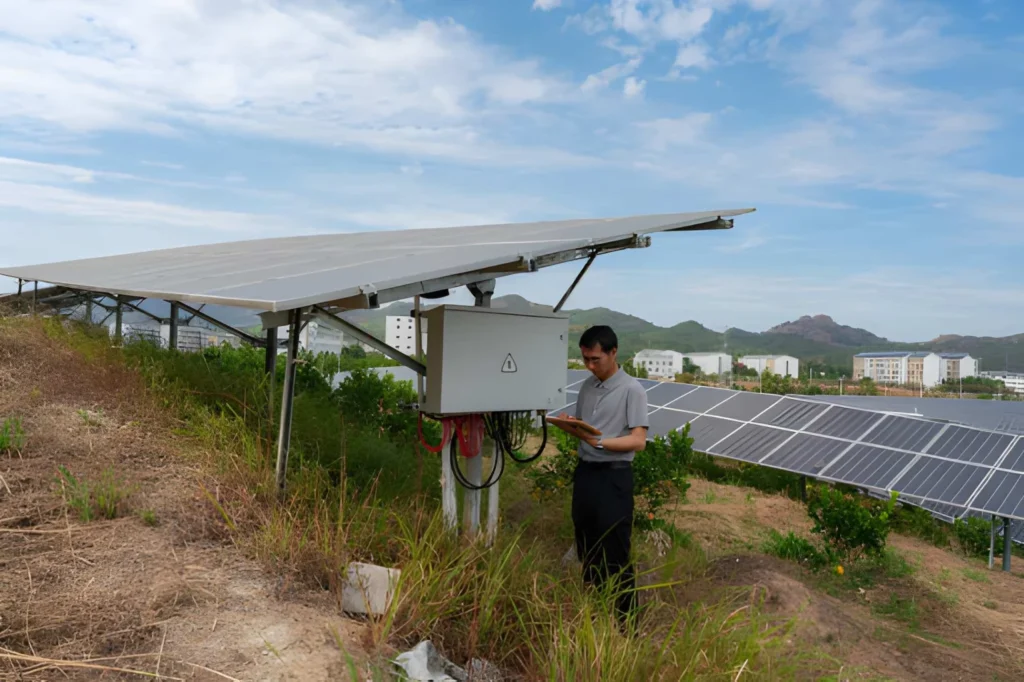
Современные фотоэлектрические системы полагаются на данные. Именно поэтому во многих проектах вместо пассивных солнечных батарей устанавливаются интеллектуальные фотоэлектрические объединительные блоки.
Умные функции могут включать:
- Контроль тока на уровне струны
- Измерение напряжения постоянного тока
- Связь через RS485 или Ethernet
- Интеграция с платформами SCADA или EMS
Благодаря такому обзору вы сможете заметить проблемы с затенением, сбои в работе разъемов или деградацию до того, как они превратятся в серьезные проблемы. Это как монитор здоровья для вашей солнечной батареи.
Установка и обслуживание
Даже самый лучший комбинированный блок солнечных батарей не будет работать хорошо, если он плохо установлен. Расположение, прокладка кабелей и заземление - все это имеет значение.
Советы по установке
- Устанавливаются близко к фотоэлектрическим батареям для снижения потерь в кабеле
- Обеспечьте надлежащее заземление и соединение
- Оставьте достаточный зазор для обслуживания
Лучшие практики технического обслуживания
- Периодически проверяйте предохранители и клеммы
- Проверьте индикаторы состояния СПД
- Анализ данных мониторинга на предмет аномалий
| Аспект | Лучшая практика |
|---|---|
| Расположение | Затененное, проветриваемое место |
| Кабели | Короткие, четко обозначенные |
| Инспекция | Плановые визуальные проверки |
Как правильно выбрать комбинированную коробку для солнечных батарей
Как же определиться с выбором? Начните с требований к системе, а затем сузьте круг возможностей.
Спросите себя:
- Сколько струн вам нужно соединить?
- Является ли мониторинг критически важным для вашей работы?
- Какой стандарт напряжения используется в вашей системе?
Если вы планируете крупную или критически важную установку, стоит обсудить проект с опытными инженерами. Быстрая консультация может предотвратить дорогостоящие переделки в дальнейшем. Если вы хотите, вы всегда можете обратиться к нам за техническим руководством или индивидуальным решением - никакого давления, только опыт.
Заключительные размышления
Комбайновая коробка для солнечных батарей может быть не самой заметной частью вашей системы, но она одна из самых важных. Он привносит порядок, безопасность и интеллектуальность в сложные фотоэлектрические массивы, обеспечивая их долгосрочную надежность. Понимая его компоненты, типы, технические характеристики и интеллектуальные особенности, вы сможете принимать обоснованные решения.
Независимо от того, оптимизируете ли вы существующую установку или проектируете новую, выбор правильного объединительного блока для солнечных батарей приносит реальную пользу - не только в плане производительности, но и в плане душевного спокойствия.
ЧАСТО ЗАДАВАЕМЫЕ ВОПРОСЫ
Для чего в солнечных системах используется счетчик электроэнергии?
Счетчик электроэнергии измеряет производство и потребление энергии, помогая отслеживать работу системы и проверять ее производительность.
Где установлен счетчик электроэнергии в фотоэлектрической системе?
Обычно он устанавливается на выходе инвертора или в точке подключения к сети для учета выработанной или экспортированной электроэнергии.
Насколько точны современные счетчики электроэнергии?
Большинство счетчиков коммунального класса имеют класс точности 0,5 или выше, что подходит для выставления счетов и анализа производительности.
Могут ли счетчики электроэнергии интегрироваться с системами мониторинга?
Да. Многие счетчики поддерживают Modbus или другие протоколы связи для SCADA или систем управления энергопотреблением.
Требуется ли регулярная калибровка счетчиков электроэнергии?
Для коммерческих и коммунальных приложений рекомендуется периодическая калибровка для поддержания соответствия и точности.