Power Distribution Box: OEM vs ODM Guide for Custom Electrical Solutions
A Power Distribution Box is a crucial element in managing and distributing electrical power safely and efficiently across multiple circuits.
Whether used in industrial, commercial, or residential settings, these boxes house essential components like circuit breakers and fuses to protect electrical systems from overloads and faults.
Understanding the differences between OEM and ODM manufacturing options can help you choose the right Power Distribution Box that meets your specific design, customization, and budget requirements.
Table of Contents
What Is a Power Distribution Box?
A power distribution box is an essential component in electrical systems used to distribute electrical power from one source to multiple outgoing circuits. It protects circuits by housing circuit breakers, fuses, and switches within a secure enclosure, ensuring safety and reliability in industrial, commercial, and residential applications.
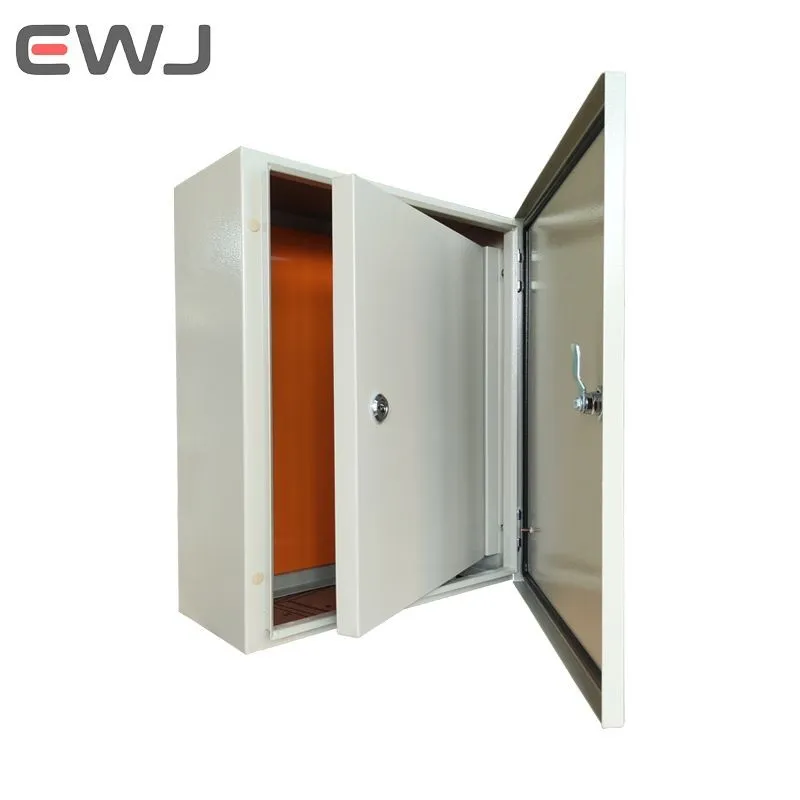
What Does OEM Mean in Power Distribution Box Manufacturing?
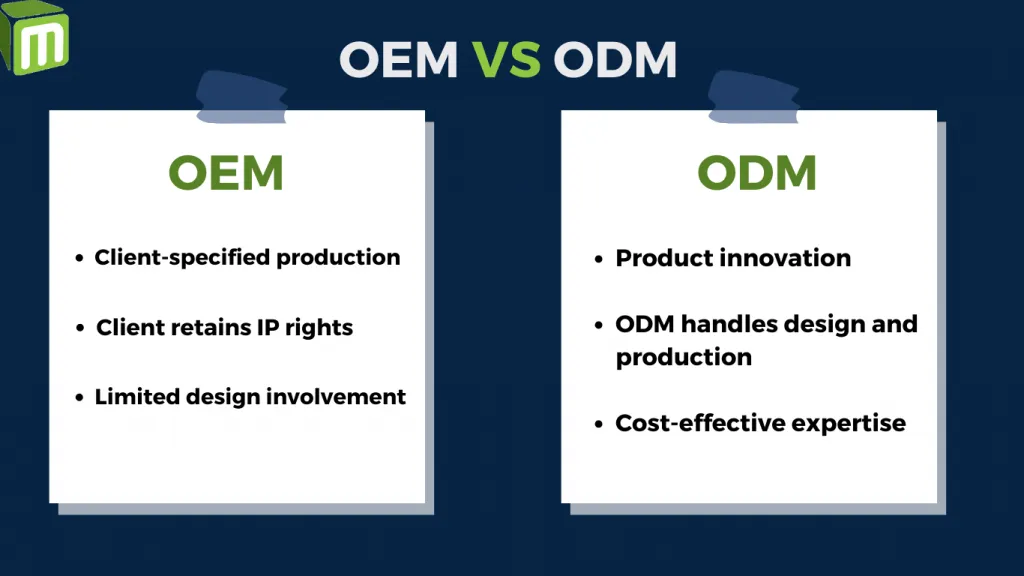
OEM (Original Equipment Manufacturer) refers to a manufacturing model where the client company designs the product according to their specifications and outsources the production to a factory. In this case, the client owns the design, intellectual property, and has full control over customization, including features, structure, and performance. OEM power distribution boxes are highly customizable, catering to specific technical and branding needs.
What Is ODM in Power Distribution Box Manufacturing?
ODM (Original Design Manufacturer) involves a manufacturer providing a pre-designed product that can be slightly customized under the client’s brand. The ODM factory designs, develops, and manufactures the electric distribution box, holding the intellectual property rights to the design. Clients benefit from faster time to market and reduced development costs but with limited design flexibility.
OEM vs ODM: A Detailed Comparison
| Criteria | OEM | ODM |
|---|---|---|
| Product Design | Client designs and owns IP | Manufacturer designs and owns IP |
| Customization | Extensive customization options | Limited to branding, color, or minor features |
| Intellectual Property | Owned by client | Owned by manufacturer |
| Minimum Order Quantity (MOQ) | Usually higher due to customization cost | Lower MOQs as designs are standardized |
| Time to Market | Longer due to design and tooling | Shorter since designs are pre-made |
| Cost | Higher upfront costs for R&D and tooling | Lower initial costs due to ready-made designs |
| Control Over Product | High control over specifications | Limited control |
How to Decide Which Option Is Right for You?
Choosing between OEM and ODM for your electric distribution box depends on your project’s priorities:
- Opt for OEM if you require full control over design, uniqueness, and product features with potential higher investment and production lead time.
- Choose ODM if you seek faster delivery, lower upfront costs, and are willing to accept limited design changes on pre-existing models.
Common Industries Using OEM & ODM Power Distribution Boxes
Both OEM and ODM electric distribution boxes serve a wide range of markets including:
- Industrial automation
- Renewable energy systems
- Commercial and residential construction
- Data centers and telecommunications
- Transportation and infrastructure projects
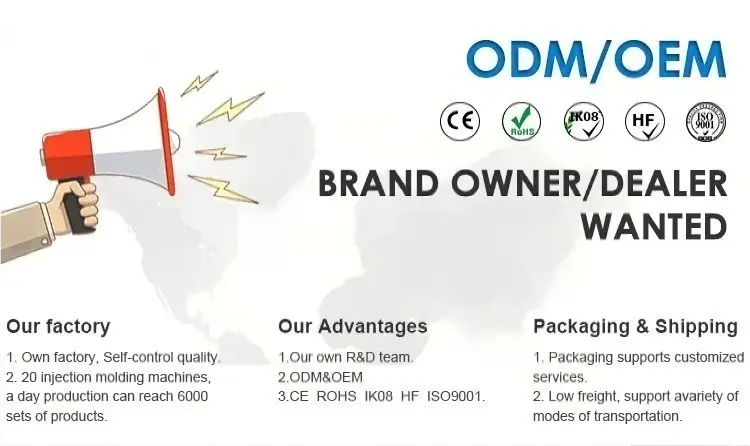
What to Ask Your Chinese Manufacturer Before Choosing OEM or ODM
Before finalizing an OEM or ODM partnership for your electric distribution box, consider asking:
- What customization options are available, and what level of design input do you accept?
- Can you provide samples or prototypes for evaluation?
- What certifications and quality assurance processes do you follow?
- What are your minimum order quantities and lead times?
- How do you handle intellectual property and confidentiality agreements?
- What after-sales support and warranty do you offer?
Customize Your Power Distribution Box Today
Get expert OEM/ODM services tailored to your exact specifications. Ensure quality and reliability with EWJ trusted solutions.
Why Choose EWJ Distribution Boxes?
- Proven reliability in harsh environmental conditions with IP65-rated enclosures.
- Fully customizable sizes and configurations tailored to your electrical distribution requirements.
- Expert OEM/ODM services ensure your unique design and branding needs are met with attention to quality and detail.
- Strict quality control from manufacturing to delivery, backed by professional technical support.