Boîtier de couplage photovoltaïque expliqué pour les systèmes photovoltaïques modernes
Table des matières
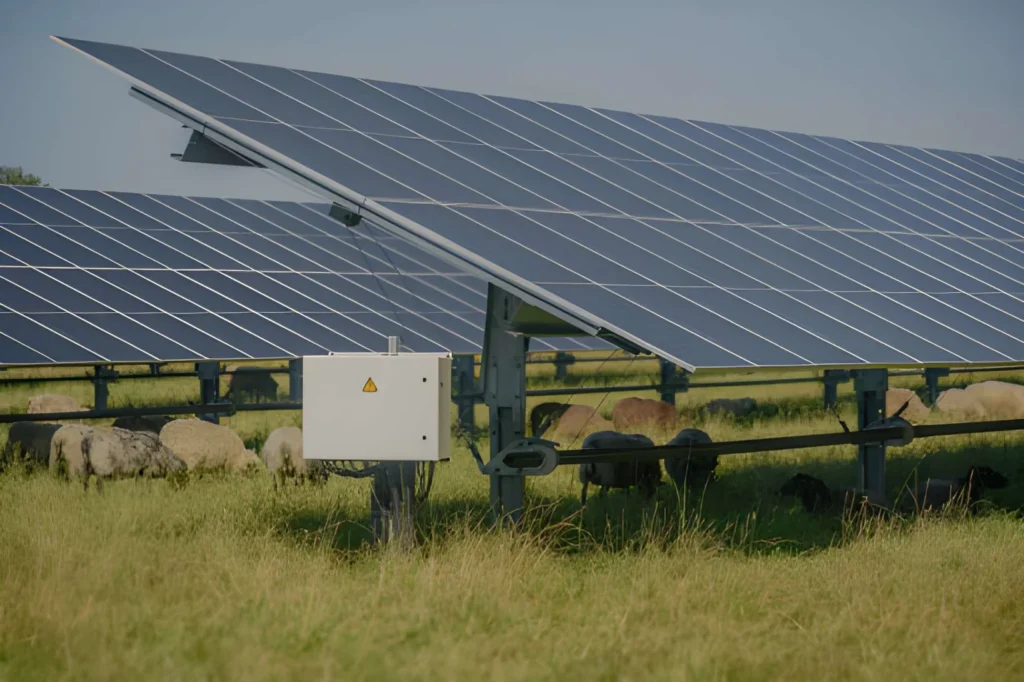
Avez-vous déjà regardé un grand champ solaire et vous êtes-vous demandé comment des dizaines de chaînes de panneaux sont gérées en toute sécurité avant que le courant n'atteigne l'onduleur ? C'est là que le boîtier de couplage solaire fait discrètement son travail. Bien qu'il soit rarement sous les feux de la rampe, ce composant joue un rôle essentiel dans la sécurité, les performances et la fiabilité à long terme du système.
Dans cet article, nous verrons ce qu'est un boîtier de raccordement solaire PV, comment il fonctionne, quels sont les différents types disponibles et comment vous pouvez choisir celui qui convient à votre projet, qu'il s'agisse d'un système de toiture commerciale ou d'une centrale solaire à l'échelle de l'entreprise.
Qu'est-ce qu'un boîtier de raccordement photovoltaïque et pourquoi est-il important ?
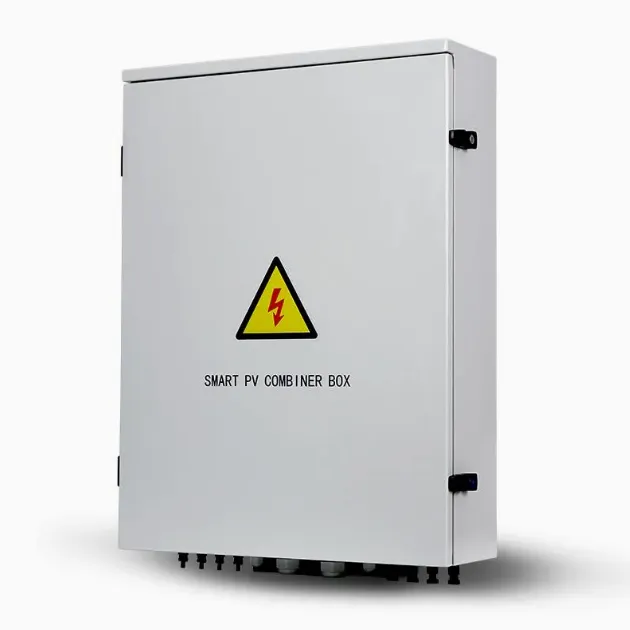
A boîte de raccordement solaire PV est un boîtier électrique qui rassemble plusieurs chaînes de courant continu provenant de panneaux solaires en une seule sortie de courant continu. Cette sortie consolidée alimente ensuite un onduleur ou une armoire de distribution CC.
Au lieu de faire courir des dizaines de câbles individuels jusqu'à l'onduleur, vous les centralisez. Cela simplifie le câblage, réduit les coûts de matériel et améliore l'organisation du système.
Plus important encore, un boîtier de raccordement solaire PV intègre des fonctions de protection et de surveillance qui permettent d'éviter les pannes et les temps d'arrêt. Sans lui, même une défaillance mineure d'une branche pourrait compromettre l'ensemble du système photovoltaïque.
En bref, il vous aide :
- Améliorer la sécurité électrique
- Réduire les pertes de câbles et l'encombrement
- Simplifier la maintenance et le dépannage
- Améliorer l'évolutivité du système
| Fonction des touches | Pourquoi c'est important |
|---|---|
| Combinaison de chaînes | Réduit la complexité de l'entrée de l'onduleur |
| Protection des circuits | Prévient les dommages causés par les pannes |
| Contrôle | Permet une détection plus rapide des défauts |
| L'isolement | Améliore la sécurité de l'entretien |
Composants principaux d'une boîte de raccordement photovoltaïque
Si vous ouvrez un boîtier de raccordement solaire PV, vous ne trouverez rien de mystérieux, mais chaque composant a une fonction précise. Ensemble, ils créent un environnement contrôlé et protégé pour l'agrégation de courant continu.
Principaux composants internes
La plupart des modèles comprennent :
- Fusibles ou disjoncteurs DC pour chaque chaîne de caractères
- Dispositifs de protection contre les surtensions en courant continu (SPD)
- Interrupteur de déconnexion DC
- Barres de bus pour l'agrégation actuelle
- Modules de surveillance en option
Chacun de ces composants contribue à la stabilité du système. Par exemple, les fusibles isolent les chaînes défectueuses, tandis que la protection contre les surtensions protège les équipements contre les surtensions provoquées par la foudre.
| Composant | Fonction |
|---|---|
| Fusible DC | Protège les chaînes photovoltaïques individuelles |
| DOCUP | Limite les surtensions transitoires |
| Interrupteur de déconnexion | Permet un arrêt en toute sécurité |
| Unité de surveillance | Suivi du courant et de la tension |
Types de boîtiers combinés photovoltaïques par application
Tous les projets solaires ne sont pas identiques, et il en va de même pour les boîtiers de raccordement. Le bon type dépend du niveau de tension, de la taille du système et de l'environnement opérationnel.
Boîtes combinées standard pour courant continu
Ils sont largement utilisés dans les systèmes photovoltaïques commerciaux et industriels. Ils se concentrent sur la combinaison et la protection de base des chaînes, avec une intelligence limitée.
Boîtes de raccordement Smart Solar PV
Les versions intelligentes intègrent la surveillance en temps réel. Vous pouvez suivre le courant, la tension et parfois la température du string. Ces données permettent d'identifier rapidement les branches peu performantes.
Boîtes de dérivation haute tension
Conçus pour des systèmes à courant continu de 1000 ou 1500 V, ils sont couramment utilisés dans les centrales solaires à grande échelle. Une tension plus élevée signifie un courant plus faible et des pertes de transmission réduites.
| Type | Meilleur pour | Avantage clé |
|---|---|---|
| Standard | Systèmes de petite et moyenne taille | Rentabilité |
| Intelligent | Grands projets C&I | De meilleurs diagnostics |
| Haute tension | Centrales à l'échelle de l'entreprise | Efficacité accrue |
Où les boîtiers combinés photovoltaïques sont-ils couramment utilisés ?
Vous trouverez un boîtier de raccordement solaire PV partout où plusieurs chaînes PV doivent être gérées de manière sûre et efficace.
Les applications typiques sont les suivantes
- Installations de toits commerciaux
- Installations industrielles dotées de grandes installations photovoltaïques
- Fermes solaires au sol
- Projets solaires agricoles
- Systèmes photovoltaïques intégrés au stockage de l'énergie
Dans les cas d'utilisation industrielle, la fiabilité et le temps de fonctionnement comptent plus que tout. Une boîte de raccordement bien conçue permet d'éviter qu'une chaîne défectueuse n'entraîne l'arrêt d'une production de plusieurs mégawatts.
Spécifications clés à évaluer
Le choix d'un boîtier de raccordement solaire PV ne se résume pas à la taille du boîtier. Les spécifications techniques ont un impact direct sur la sécurité et la conformité.
Caractéristiques électriques à vérifier
Prêtez attention à :
- Tension continue maximale (1000V ou 1500V)
- Nombre de chaînes d'entrée
- Courant de sortie maximal
- Calibre des fusibles par chaîne
Facteurs environnementaux et mécaniques
Les installations extérieures exigent une protection robuste :
- Indice de protection IP65 ou supérieur
- Matériaux résistants aux UV
- Revêtements résistants à la corrosion
| Spécifications | Pourquoi c'est important |
|---|---|
| Tension nominale DC | Prévient les défaillances de l'isolation |
| Indice de protection IP | Protège contre la poussière et l'eau |
| Plage de température | Assure un fonctionnement stable |
| Normes de conformité | Répond aux exigences réglementaires |
Fonctionnalités intelligentes et capacités de surveillance
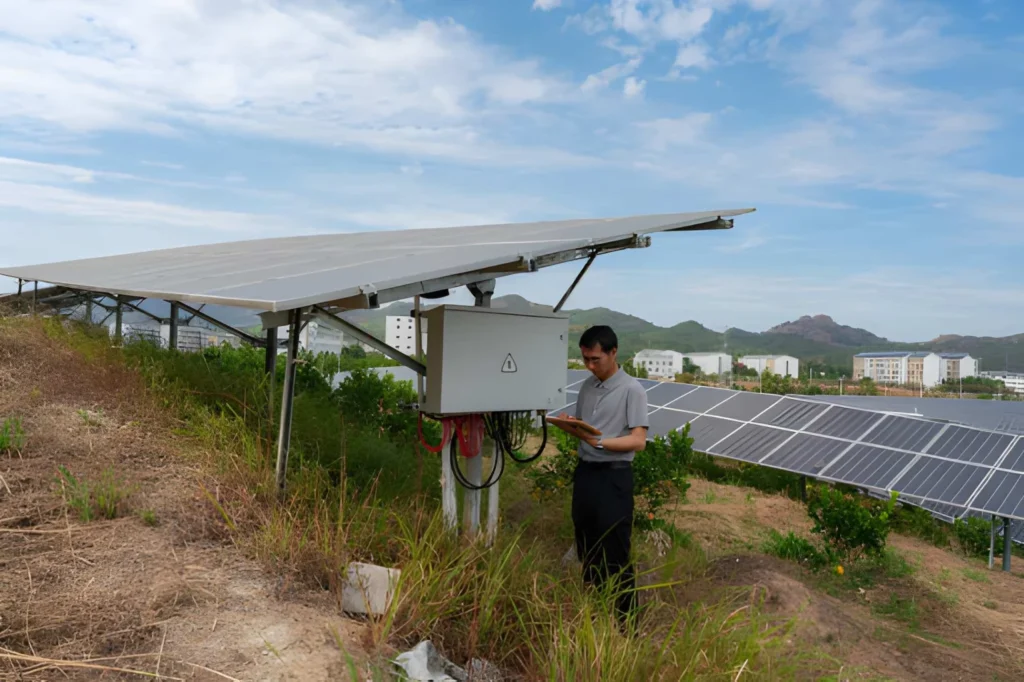
Les systèmes photovoltaïques modernes s'appuient sur des données. C'est pourquoi de nombreux projets prévoient désormais un boîtier de raccordement solaire PV intelligent au lieu d'un boîtier passif.
Les caractéristiques intelligentes peuvent inclure
- Contrôle du courant au niveau des cordes
- Mesure de la tension continue
- Communication via RS485 ou Ethernet
- Intégration aux plates-formes SCADA ou EMS
Grâce à cette visibilité, vous pouvez repérer les problèmes d'ombrage, les défaillances des connecteurs ou les dégradations avant qu'ils ne deviennent des problèmes graves. C'est comme si vous disposiez d'un moniteur de santé pour votre installation solaire.
Considérations relatives à l'installation et à l'entretien
Même le meilleur boîtier de raccordement solaire PV ne fonctionnera pas bien s'il est mal installé. L'emplacement, l'acheminement des câbles et la mise à la terre sont autant d'éléments importants.
Conseils d'installation
- Montage à proximité des chaînes photovoltaïques pour réduire les pertes de câble
- Assurer une mise à la terre et une liaison correctes
- Laisser un espace suffisant pour l'entretien
Meilleures pratiques de maintenance
- Inspecter périodiquement les fusibles et les bornes
- Vérifier les indicateurs d'état du SPD
- Examiner les données de surveillance pour détecter les anomalies
| Aspect | Meilleures pratiques |
|---|---|
| Localisation | Zone ombragée et ventilée |
| Câblage | Courte, clairement étiquetée |
| L'inspection | Contrôles visuels programmés |
Comment choisir le bon boîtier de raccordement solaire PV ?
Alors, comment choisir ? Commencez par les exigences de votre système, puis réduisez les caractéristiques.
Posez-vous la question :
- Combien de cordes faut-il combiner ?
- La surveillance est-elle essentielle à votre activité ?
- Quelle est la norme de tension utilisée par votre système ?
Si vous prévoyez une installation importante ou critique, il est utile de discuter de votre conception avec des ingénieurs expérimentés. Une consultation rapide peut éviter des modifications coûteuses par la suite. Si vous le souhaitez, vous pouvez toujours nous contacter pour obtenir des conseils techniques ou une solution sur mesure - pas de pression, juste de l'expertise.
Réflexions finales
Un boîtier de raccordement solaire PV n'est peut-être pas la partie la plus visible de votre système, mais c'est l'une des plus importantes. Il apporte de l'ordre, de la sécurité et de l'intelligence à des réseaux photovoltaïques complexes, tout en garantissant une fiabilité à long terme. En connaissant ses composants, ses types, ses spécifications et ses caractéristiques intelligentes, vous serez bien mieux équipé pour prendre des décisions éclairées.
Qu'il s'agisse d'optimiser une installation existante ou d'en concevoir une nouvelle, le choix du bon boîtier de raccordement solaire PV apporte une réelle valeur ajoutée, non seulement en termes de performances, mais aussi en termes de tranquillité d'esprit.
FAQ
À quoi sert un compteur d'électricité dans les systèmes solaires ?
Un compteur électrique mesure la production et la consommation d'énergie, ce qui vous permet de suivre les performances du système et de vérifier le rendement.
Où est installé le compteur d'électricité dans un système photovoltaïque ?
Il est généralement installé à la sortie de l'onduleur ou au point de connexion au réseau pour enregistrer l'électricité produite ou exportée.
Quelle est la précision des compteurs d'électricité modernes ?
La plupart des compteurs d'utilité publique offrent des classes de précision de 0,5 ou plus, adaptées à la facturation et à l'analyse des performances.
Les compteurs d'électricité peuvent-ils s'intégrer à des systèmes de surveillance ?
Oui. De nombreux compteurs prennent en charge le protocole Modbus ou d'autres protocoles de communication pour les systèmes SCADA ou de gestion de l'énergie.
Les compteurs d'électricité doivent-ils être étalonnés régulièrement ?
Pour les applications commerciales et utilitaires, un étalonnage périodique est recommandé pour maintenir la conformité et la précision.