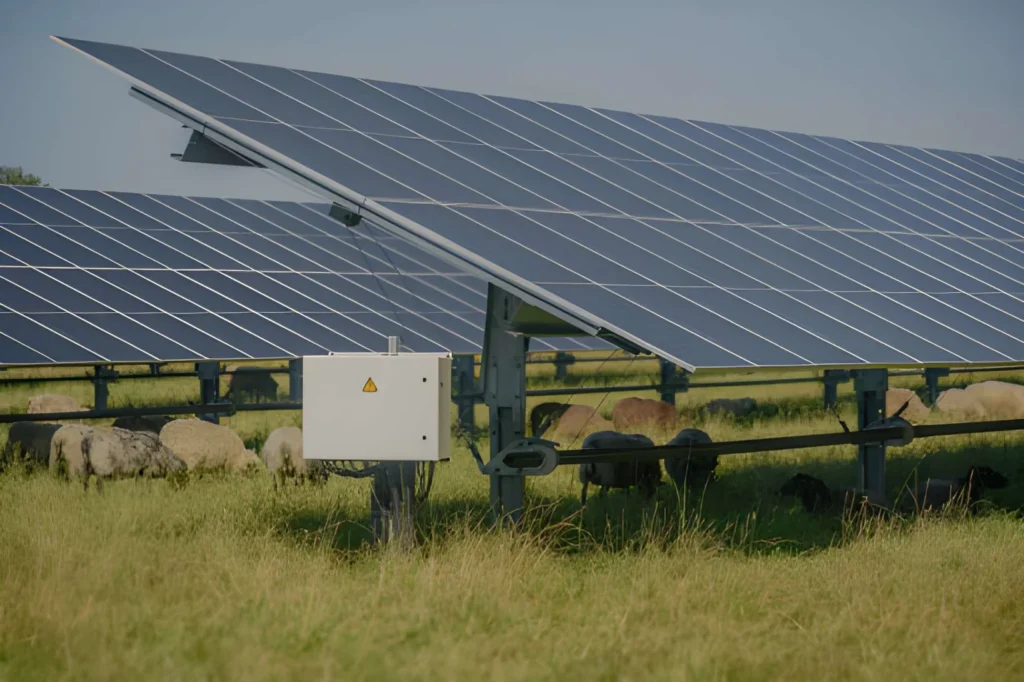
Explicación de la caja combinadora fotovoltaica para sistemas fotovoltaicos modernos
Índice
¿Alguna vez ha observado un gran campo solar y se ha preguntado cómo se gestionan de forma segura docenas de cadenas de paneles antes de que la energía llegue al inversor? Ahí es donde la caja del combinador fotovoltaico hace su trabajo silenciosamente. Aunque rara vez es el centro de atención, este componente desempeña un papel fundamental en la seguridad, el rendimiento y la fiabilidad a largo plazo del sistema.
En este artículo explicaremos qué es un combinador fotovoltaico, cómo funciona, los distintos tipos disponibles y cómo elegir el más adecuado para su proyecto, tanto si está planificando un sistema comercial sobre tejado como una planta solar a escala comercial.
Qué es una caja combinadora fotovoltaica y por qué es importante
A caja combinadora solar fotovoltaica es un armario eléctrico que reúne varias cadenas de entrada de CC procedentes de paneles solares en una única salida de CC. Esa salida consolidada alimenta después un inversor o un armario de distribución de CC.
En lugar de tender decenas de cables individuales hasta el inversor, los centraliza. Esto simplifica el cableado, reduce los costes de material y mejora la organización del sistema.
Y lo que es más importante, una caja combinadora fotovoltaica integra funciones de protección y supervisión que ayudan a evitar fallos y tiempos de inactividad. Sin ella, incluso un fallo menor en una cadena podría poner en peligro todo el sistema fotovoltaico.
En resumen, te ayuda:
- Mejorar la seguridad eléctrica
- Reduzca las pérdidas de cable y el desorden
- Simplificar el mantenimiento y la resolución de problemas
- Mejorar la escalabilidad del sistema
| Función clave | Por qué es importante |
|---|---|
| Combinación de cadenas | Reduce la complejidad de la entrada del inversor |
| Protección de circuitos | Evita daños por averías |
| Supervisión | Permite una detección de fallos más rápida |
| Aislamiento | Mejora la seguridad del mantenimiento |
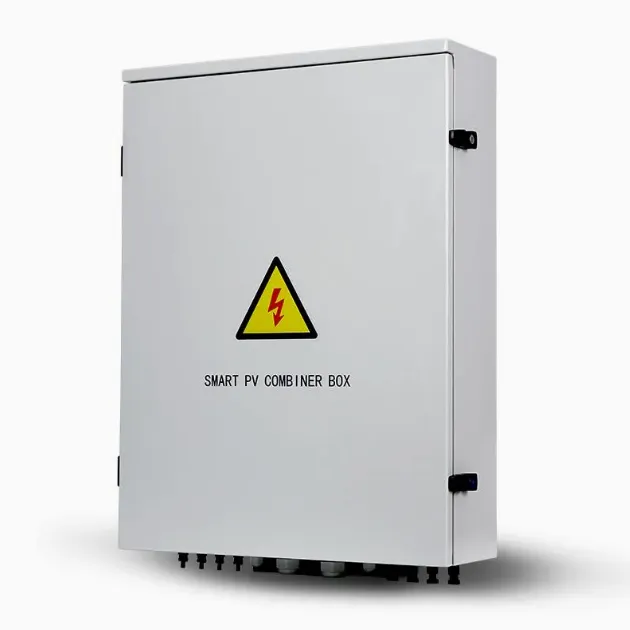
Componentes principales de una caja combinadora fotovoltaica
Si abre la caja de un combinador fotovoltaico solar, no encontrará nada misterioso, pero cada componente tiene una finalidad clara. Juntos, crean un entorno controlado y protegido para la agregación de corriente continua.
Principales componentes internos
La mayoría de los diseños incluyen:
- Fusibles o disyuntores de CC para cada cadena
- Dispositivos de protección contra sobretensiones de CC (SPD)
- Interruptor de desconexión de CC
- Barras conductoras para la agregación actual
- Módulos de control opcionales
Cada uno de estos componentes contribuye a la estabilidad del sistema. Por ejemplo, los fusibles aíslan los ramales defectuosos, mientras que la protección contra sobretensiones protege a los equipos de las sobretensiones inducidas por rayos.
| Componente | Función |
|---|---|
| Fusible CC | Protege cadenas fotovoltaicas individuales |
| SPD | Limita la sobretensión transitoria |
| Interruptor de desconexión | Permite el apagado seguro |
| Unidad de control | Rastrea la corriente y la tensión |
Tipos de cajas de conexiones fotovoltaicas por aplicación
No todos los proyectos solares son iguales, y tampoco lo son las cajas combinadoras. El tipo adecuado depende del nivel de tensión, el tamaño del sistema y el entorno operativo.
Cajas combinadoras de CC estándar
Se utilizan mucho en sistemas fotovoltaicos comerciales e industriales. Se centran en la combinación y protección básica de cadenas, con inteligencia limitada.
Cajas combinadoras solares fotovoltaicas inteligentes
Las versiones inteligentes integran monitorización en tiempo real. Puede realizar un seguimiento de la corriente, la tensión y, a veces, la temperatura de las cadenas. Estos datos ayudan a identificar con antelación las cadenas que funcionan mal.
Cajas combinadoras de alta tensión
Diseñados para sistemas de 1000 V o 1500 V de CC, son habituales en las plantas solares a escala comercial. A mayor tensión, menor corriente y menos pérdidas de transmisión.
| Tipo | Lo mejor para | Ventajas clave |
|---|---|---|
| Estándar | Sistemas pequeños y medianos | Rentable |
| Inteligente | Grandes proyectos C&I | Mejores diagnósticos |
| Alta tensión | Centrales eléctricas | Mayor eficacia |
Dónde se suelen utilizar las cajas combinadoras fotovoltaicas
Encontrará una caja combinadora fotovoltaica solar en cualquier lugar donde sea necesario gestionar varias cadenas fotovoltaicas de forma segura y eficiente.
Las aplicaciones típicas son:
- Instalaciones comerciales en tejados
- Instalaciones industriales con grandes paneles fotovoltaicos
- Parques solares en suelo
- Proyectos solares agrícolas
- Sistemas fotovoltaicos integrados de almacenamiento de energía
En los casos de uso industrial, la fiabilidad y el tiempo de actividad importan más que nada. Una caja combinadora bien diseñada ayuda a garantizar que una cadena defectuosa no apague megavatios de generación.
Especificaciones clave que debe evaluar
Elegir una caja de conexiones fotovoltaicas no es sólo cuestión de tamaño. Las especificaciones técnicas influyen directamente en la seguridad y el cumplimiento de la normativa.
Valores eléctricos a comprobar
Presta mucha atención a:
- Tensión continua máxima (1000 V o 1500 V)
- Número de cadenas de entrada
- Corriente máxima de salida
- Capacidad de los fusibles por cadena
Factores ambientales y mecánicos
Las instalaciones exteriores exigen una protección robusta:
- Grado de protección IP65 o superior
- Materiales resistentes a los rayos UV
- Revestimientos resistentes a la corrosión
| Especificación | Por qué es importante |
|---|---|
| Tensión nominal CC | Evita fallos de aislamiento |
| Grado de protección IP | Protege contra el polvo y el agua |
| Temperatura | Garantiza un funcionamiento estable |
| Normas de cumplimiento | Cumple la normativa |
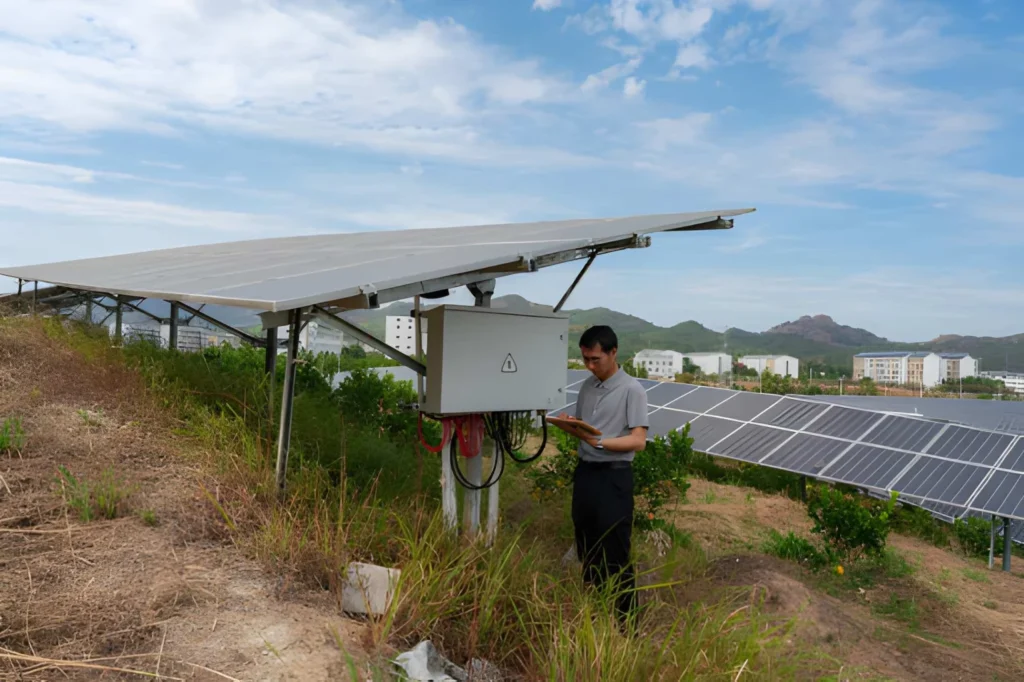
Funciones inteligentes y capacidades de supervisión
Los sistemas fotovoltaicos modernos dependen de los datos. Por eso muchos proyectos especifican ahora un combinador fotovoltaico inteligente en lugar de uno pasivo.
Las funciones inteligentes pueden incluir:
- Control de la corriente a nivel de cadena
- Medición de tensión continua
- Comunicación mediante RS485 o Ethernet
- Integración con plataformas SCADA o EMS
Con esta visibilidad, puede detectar problemas de sombreado, fallos en los conectores o degradación antes de que se conviertan en problemas graves. Es como tener un monitor de salud para tu panel solar.
Consideraciones sobre la instalación y el mantenimiento
Incluso el mejor combinador fotovoltaico solar no funcionará bien si está mal instalado. La ubicación, el tendido de los cables y la conexión a tierra son importantes.
Consejos de instalación
- Montaje cerca de los strings fotovoltaicos para reducir las pérdidas por cable
- Asegúrese de que la conexión a tierra y la unión son correctas
- Dejar espacio suficiente para el mantenimiento
Buenas prácticas de mantenimiento
- Inspeccione periódicamente fusibles y terminales
- Comprobar los indicadores de estado del SPD
- Revisar los datos de seguimiento para detectar anomalías
| Aspecto | Buenas prácticas |
|---|---|
| Ubicación | Zona sombreada y ventilada |
| Cableado | Corto, claramente etiquetado |
| Inspección | Controles visuales programados |
Cómo elegir la caja combinadora fotovoltaica adecuada
¿Cómo decidirse? Empieza por los requisitos de tu sistema y luego reduce las características.
Pregúntatelo a ti mismo:
- ¿Cuántas cuerdas hay que combinar?
- ¿La supervisión es fundamental para su empresa?
- ¿Qué norma de tensión utiliza su sistema?
Si está planificando una instalación grande o de misión crítica, merece la pena discutir su diseño con ingenieros experimentados. Una consulta rápida puede evitar costosos rediseños posteriores. Si lo desea, siempre puede ponerse en contacto con nosotros para obtener asesoramiento técnico o una solución a medida; sin presiones, solo experiencia.
Reflexiones finales
Puede que un combinador fotovoltaico no sea la parte más visible de su sistema, pero es una de las más importantes. Aporta orden, seguridad e inteligencia a los complejos sistemas fotovoltaicos, al tiempo que contribuye a la fiabilidad a largo plazo. Si conoce sus componentes, tipos, especificaciones y funciones inteligentes, estará mucho mejor preparado para tomar decisiones con conocimiento de causa.
Tanto si optimiza una instalación existente como si diseña una nueva, la elección del combinador fotovoltaico adecuado aporta un valor añadido real, no sólo en rendimiento, sino también en tranquilidad.
PREGUNTAS FRECUENTES
¿Para qué sirve un contador de energía eléctrica en las instalaciones solares?
Un contador eléctrico mide la producción y el consumo de energía, lo que le ayuda a controlar el rendimiento del sistema y verificar la producción.
¿Dónde se instala el contador de energía eléctrica en un sistema fotovoltaico?
Suele instalarse en la salida del inversor o en el punto de conexión a la red para registrar la electricidad generada o exportada.
¿Cuál es la precisión de los contadores eléctricos modernos?
La mayoría de los contadores de las compañías eléctricas ofrecen clases de precisión de 0,5 o superiores, adecuadas para la facturación y el análisis del rendimiento.
¿Pueden integrarse los contadores eléctricos con los sistemas de vigilancia?
Sí. Muchos contadores admiten Modbus u otros protocolos de comunicación para sistemas SCADA o de gestión de la energía.
¿Es necesario calibrar periódicamente los contadores de energía eléctrica?
Para aplicaciones comerciales y de servicios públicos, se recomienda la calibración periódica para mantener la conformidad y la precisión.