Environmental Conditions: Assess the presence of dust, water, chemicals, or extreme temperatures to determine the required level of protection.
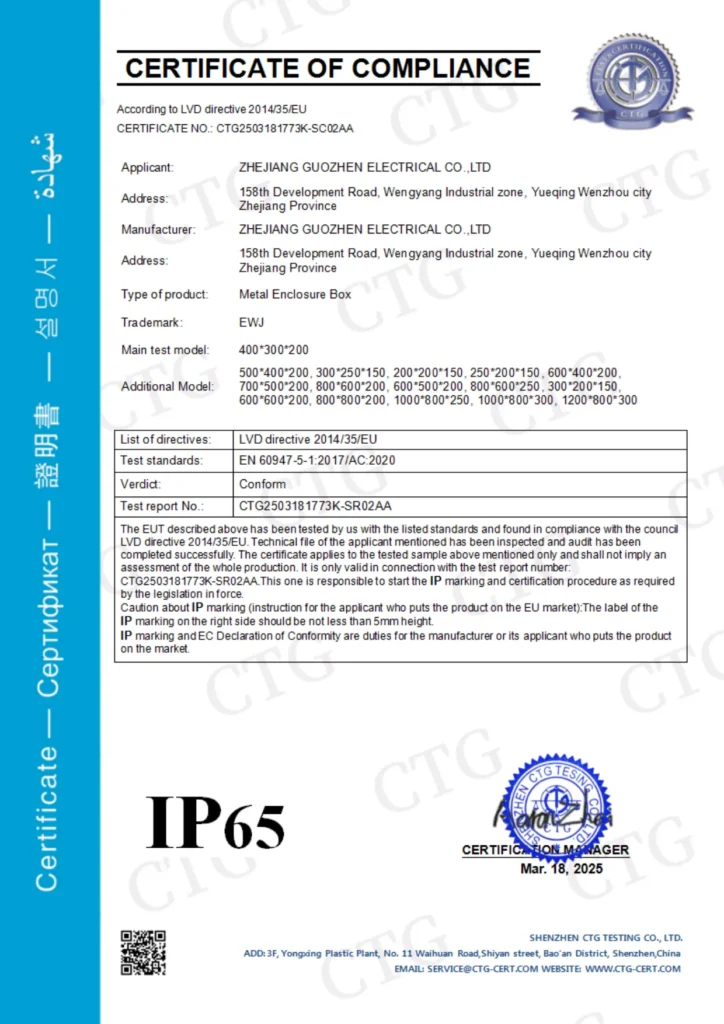
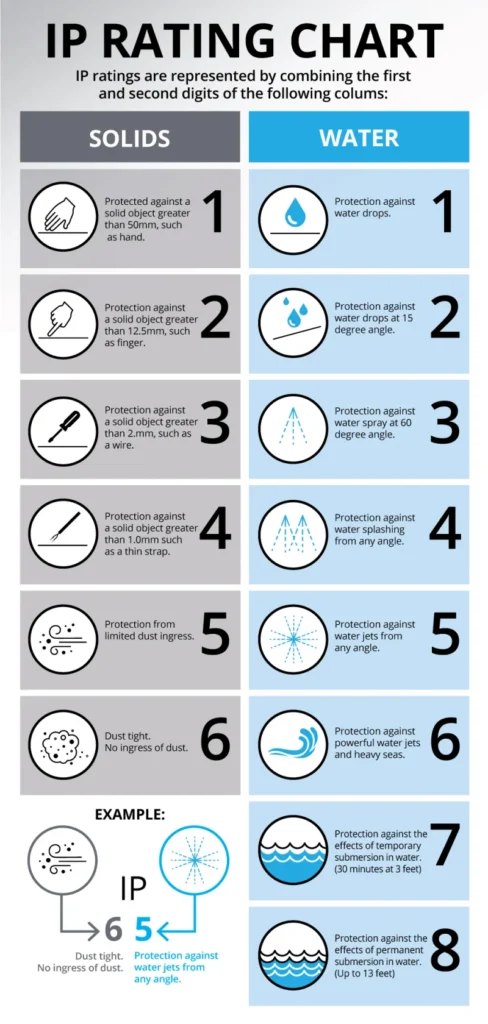
IP Rating Requirements: Choose the correct IP level (e.g., IP54, IP65, IP66) based on the degree of dust and water exposure your application involves.
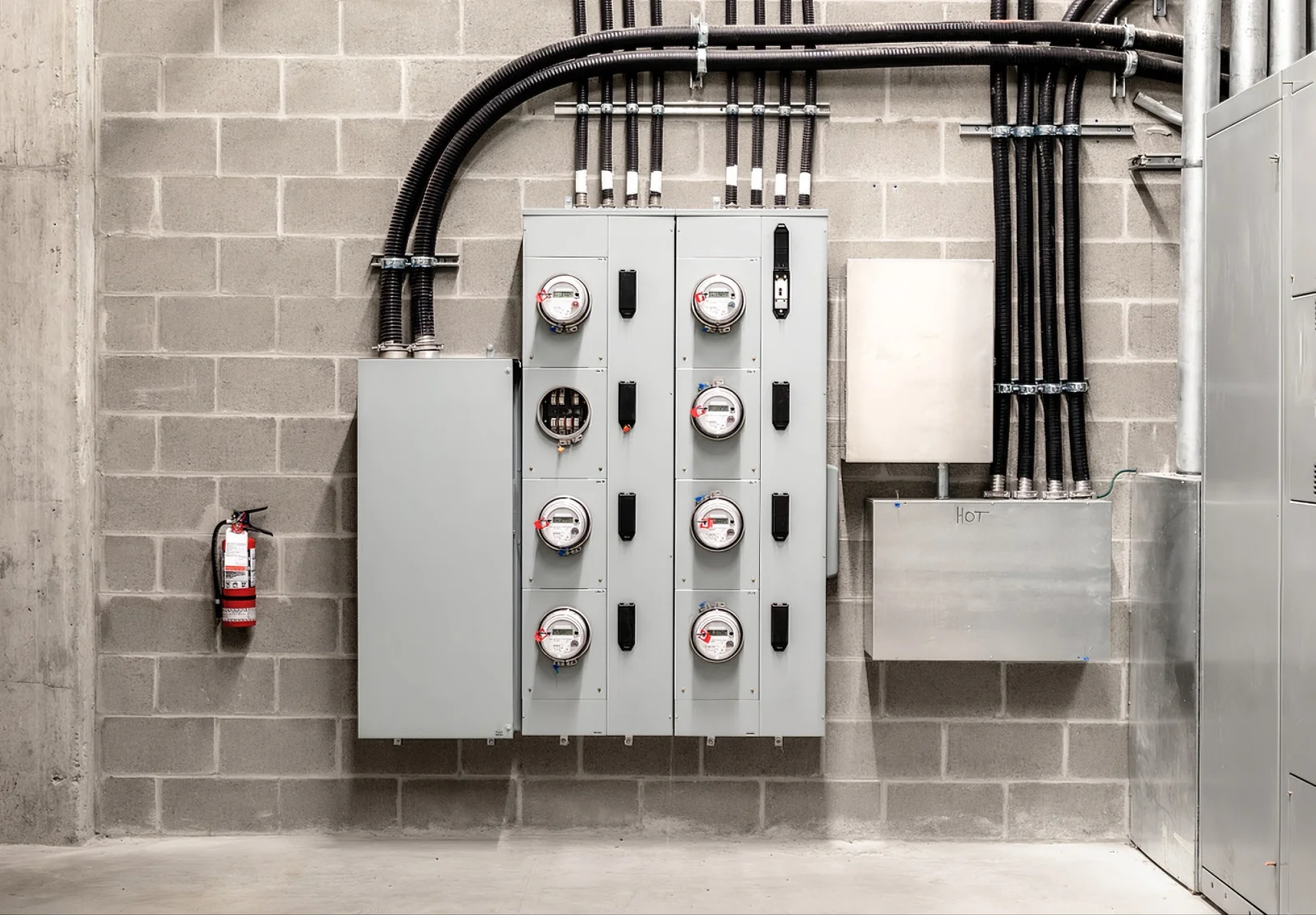
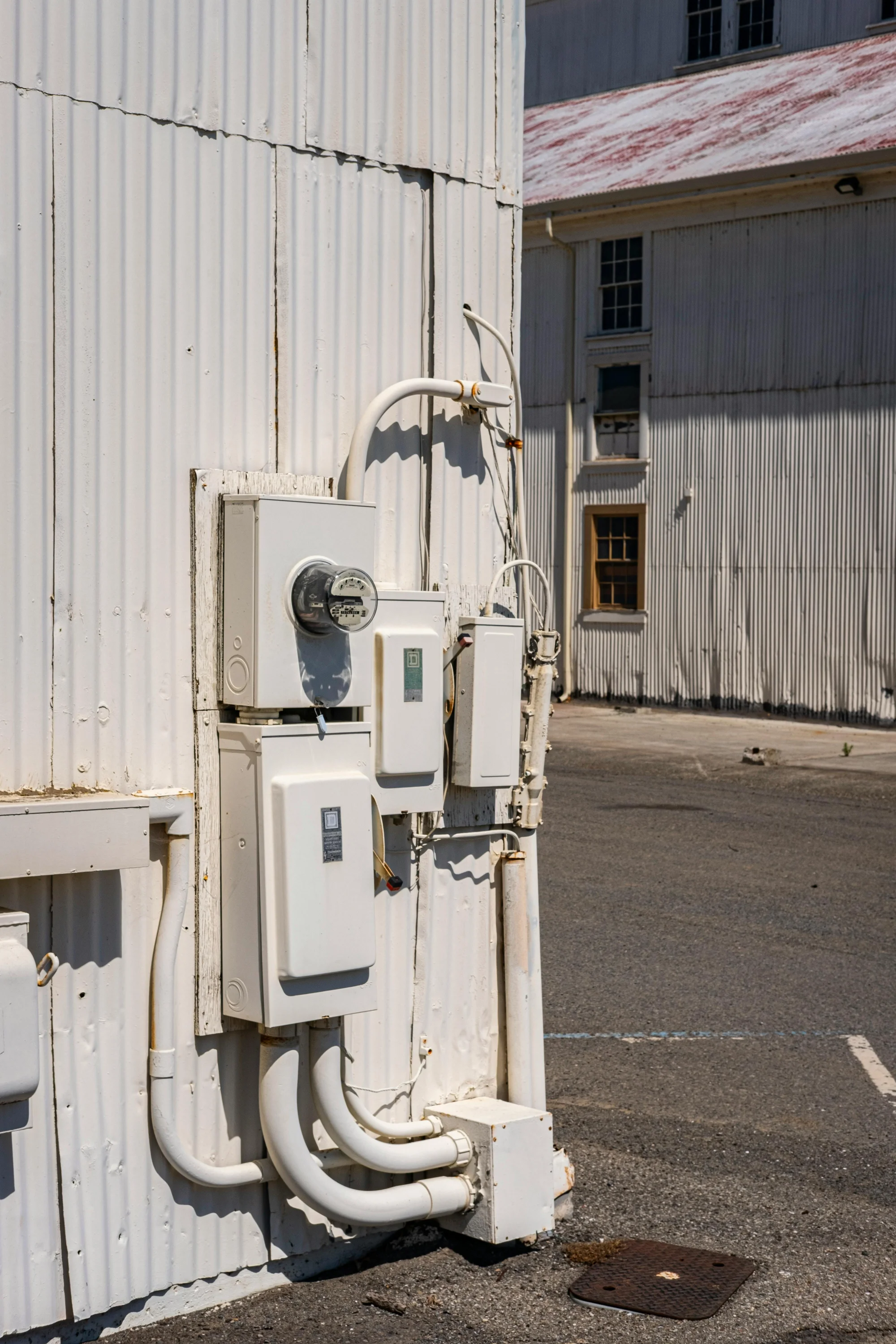
Installation Location: Determine if the enclosure will be placed indoors, outdoors, underground, or in marine or corrosive environments.
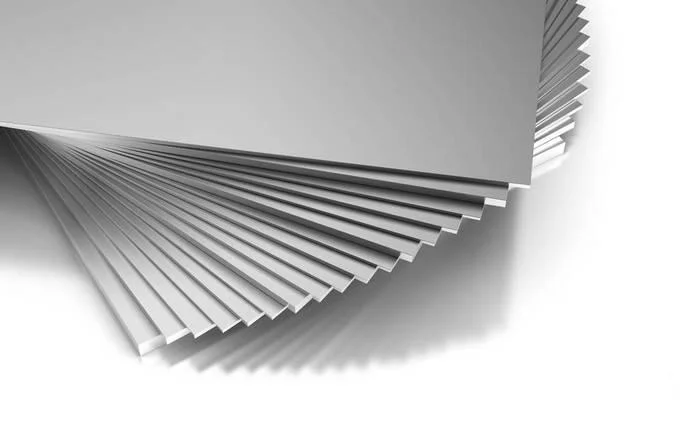
Material Selection: Select suitable materials like stainless steel, aluminum, plastic, or fiberglass based on durability, corrosion resistance, and cost.
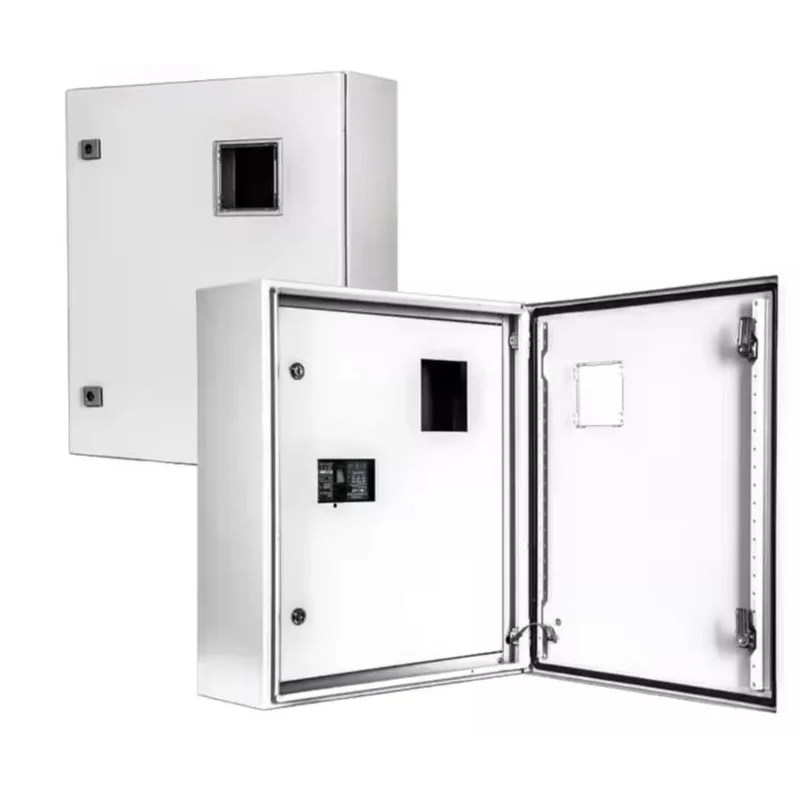
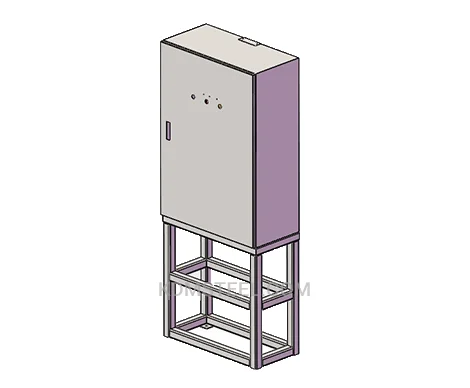
Size and Mounting Needs: Ensure the enclosure fits your space and supports wall, floor, or pole mounting as required by your installation.
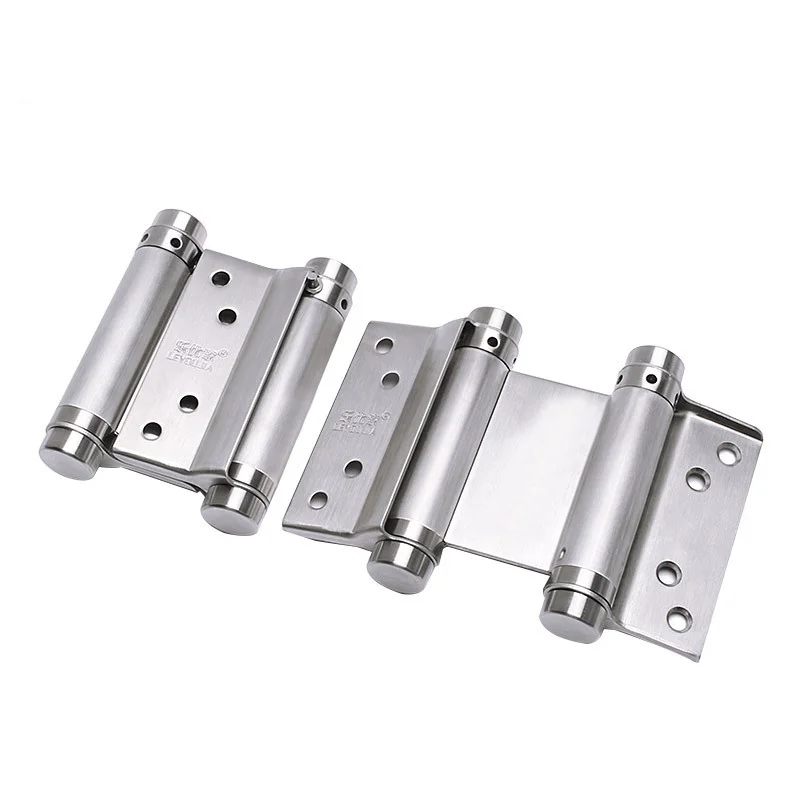
Access and Maintenance: Consider how frequently the enclosure will be opened and whether special locking or hinged door designs are necessary.
Ventilation and Heat Management: For heat-generating equipment, look for options with vents, fans, or heat dissipation features to avoid overheating.
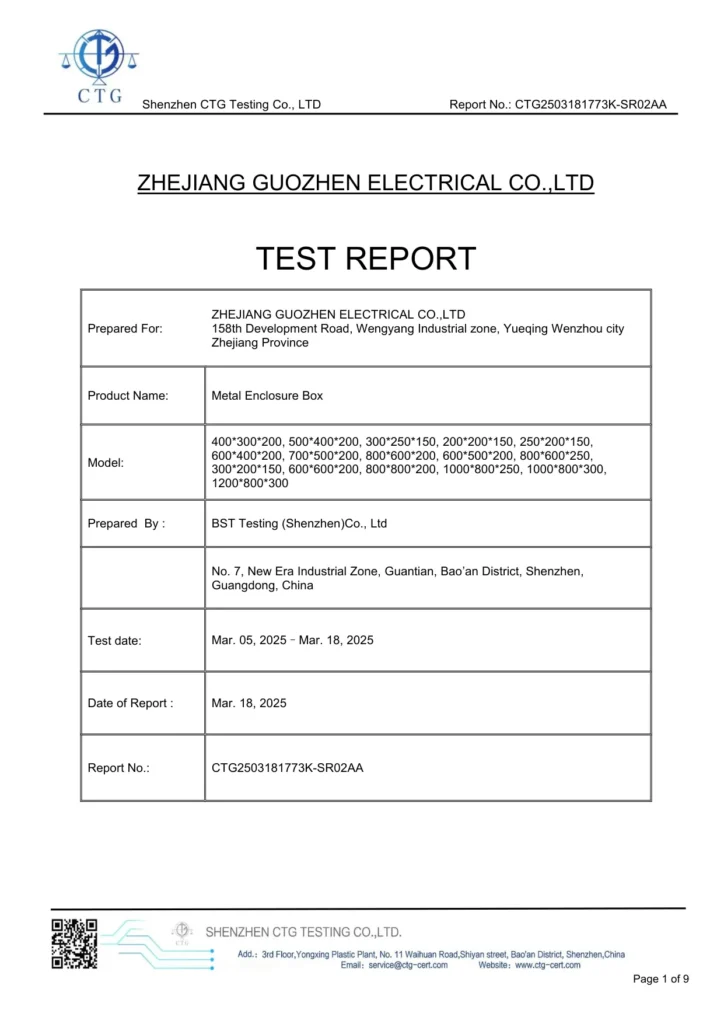
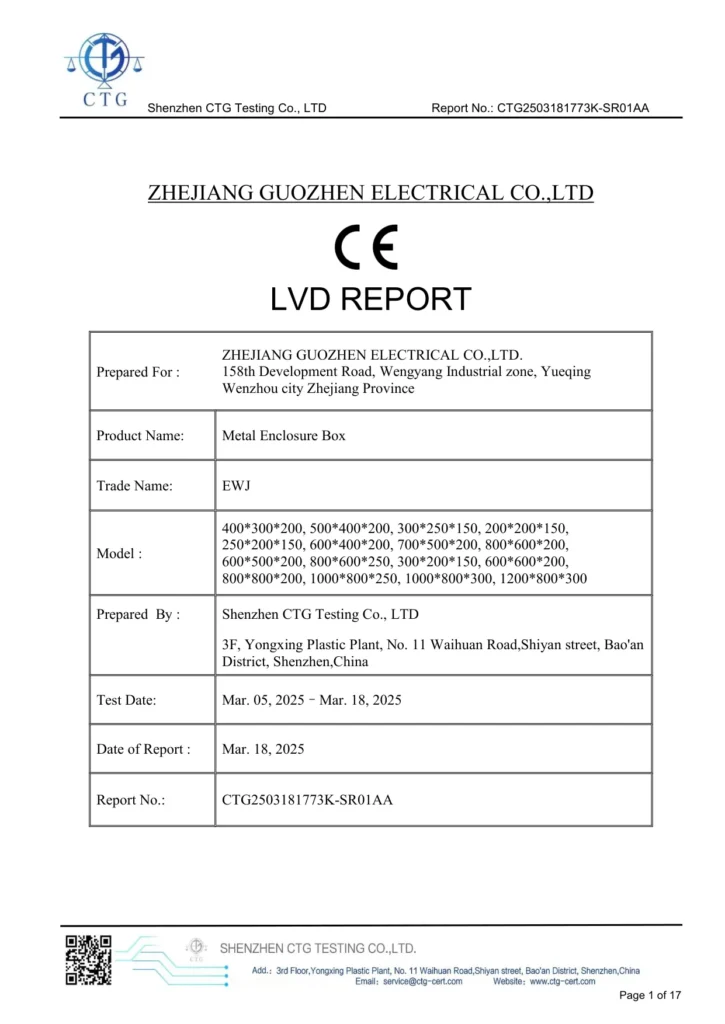
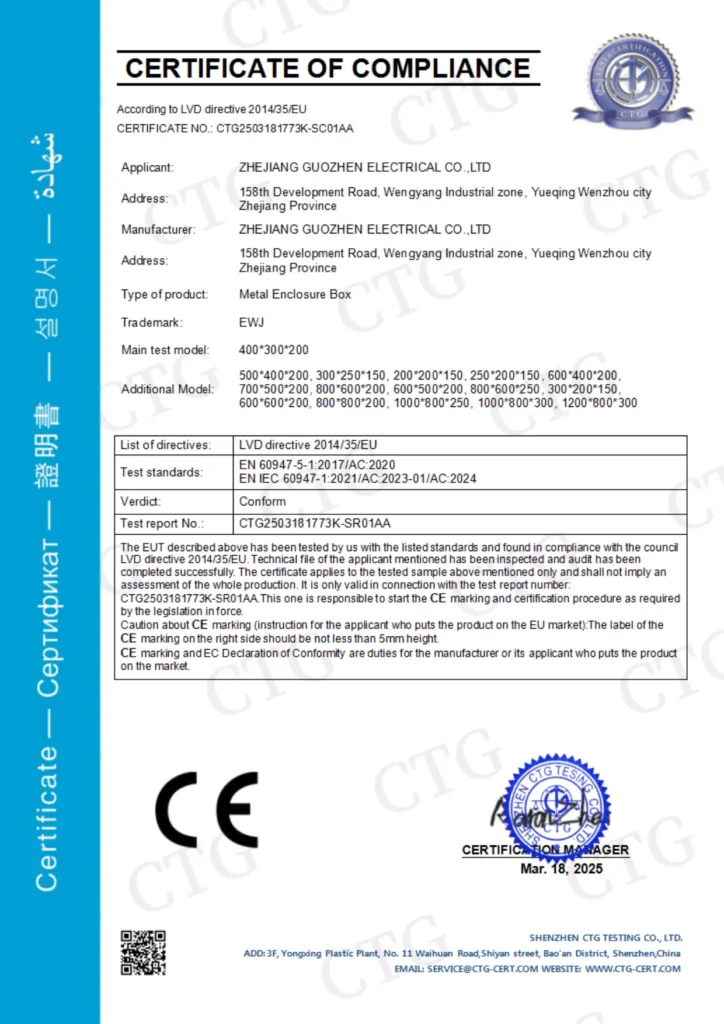
Compliance and Certifications: Confirm that the enclosure meets industry standards such as UL, CE, or NEMA, especially for regulated or international projects.