Understanding Distribution Boxes:A Comprehensive Guide
A distribution boxes is an essential device that manages the safe and efficient flow of electrical power throughout different areas of a building or facility. It is commonly used in homes, offices, and industrial settings to control and protect electrical circuits.
Understanding its significance, this article covers what a distribution box is, how it functions, its structure, the various types available, and how it differs from other electrical boxes like junction and terminal boxes.
Keep reading to learn more!
What is the distribution box?
A distribution box, also known as a distribution panel or board, is a cabinet that holds electrical parts used to supply power to multiple circuits within a system. It acts as the central point where electricity distribution is managed inside a building. The box usually contains switches, fuses, or circuit breakers that control the flow of electricity.
Distribution boxes vary in size and shape based on the complexity of the electrical system and the building’s power needs. They can be installed in different places such as electrical rooms, basements, or hallways.
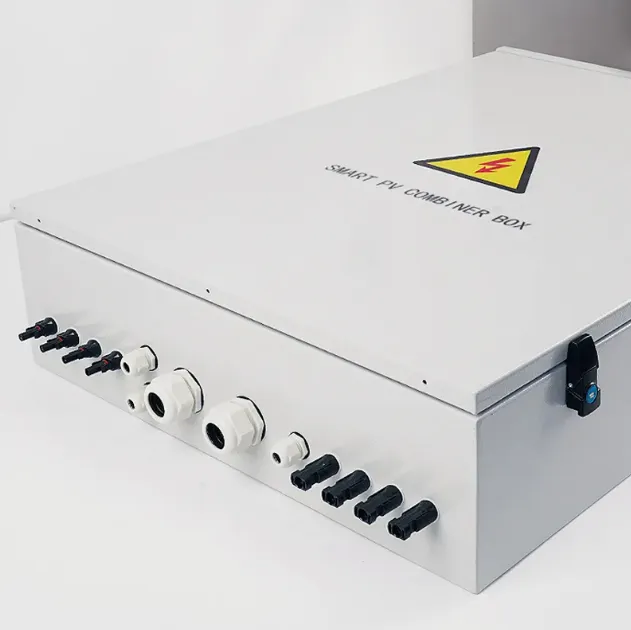
What is the function of a distribution boxes?
The main role of a distribution boxes is to channel electric current from the main supply to different circuits within a building. It also helps keep the electricity supply safe by preventing issues like short circuits and overloads.
Most distribution boxes contain circuit breakers or fuses that protect the wiring and connected devices. If a problem like a short circuit or overload occurs, the circuit breakers will cut off the power to stop damage or fire hazards.
Structure of a distribution box
A distribution box is designed to provide a safe and organized way to supply electricity. It usually includes:
i) Enclosure: The outer shell, made mostly of plastic or metal, protects the internal parts and ensures user safety.
ii) Busbars: Made of aluminum or copper, these bars distribute electric current from the main source to various circuits.
iii) Circuit Breakers/Fuses: These devices protect the system by interrupting power during faults or overloads. Fuses melt under excessive current, while circuit breakers automatically switch off the flow.
iv) Terminals: These are connection points where wires are securely attached, ensuring proper wiring and safety.
v) Switches and Indicators: Some distribution boxes have switches to control circuits and indicators, like LED lights, to show the status of the electrical connection.
All internal components are arranged carefully to distribute electricity efficiently while protecting the entire system from damage.
Common types of distribution box
Distribution boxes come in various types, classified by their installation method, material, and function. Let’s look at each category:
According to Installation Position
- Open Installation: Here, the distribution box is fixed on the surface of walls or panels. This setup makes it easy to access and maintain, but the cables remain visible.
- Concealed Installation: In this case, the box is built inside the wall, making it less noticeable and improving the look of the space. However, this can make reaching and servicing the box more difficult.
According to Material
- Metal Distribution Boxes: These are usually made from steel or aluminum. They are often used in places where safety is a priority, such as fire-resistant buildings.
- Plastic Distribution Boxes: Made from materials like PVC or polycarbonate, these boxes are lightweight and resist corrosion. They work well in areas with lighter electrical demands.
According to Function
- Distribution Boxes: The most common type, used to deliver electrical power from the main supply to individual circuits in homes, offices, or factories. These boxes include fuses or circuit breakers to protect the system and help manage electricity safely.
- Control Box: A special type designed to control electrical equipment or systems. It often contains switches, controllers, and monitoring tools in addition to basic distribution features.
The working principle of the distribution box
The way a distribution box operates is simple and easy to understand.
An electrical wire from the main power supply connects to the distribution box. Around this box, several circuits are attached. The main supply sends electricity to the box, which then distributes power to these smaller circuits through outlets.
Each circuit has its own circuit breaker or fuse. These limit the amount of electricity flowing to that circuit. If the current goes beyond a safe level, the breaker or fuse cuts off power to that specific circuit. This helps prevent serious damage to the system or even fires.
The Difference Between the Distribution Box, Junction Box, and Terminal Box
| Feature | Distribution Boxes | Junction Box | Terminal Box |
|---|---|---|---|
| Primary Function | Distributes electrical power to multiple circuits | Houses wire connections without power distribution | Connects electrical wires to devices or systems |
| Main Purpose | Manages and protects electrical circuits within a system | Safely joins electrical wires together | Provides connection points for electrical terminals |
| Common Components | Circuit breakers, fuses, busbars, terminals | Wires, connectors, sometimes splices | Electrical terminals or connectors for wire connections |
| Safety Features | Includes circuit breakers/fuses for overload protection | No overload protection; simple wire connections | No direct overload protection but ensures secure connections |
| Size | Usually larger, depending on the number of circuits | Smaller, designed for wire junctions | Smaller, contains only terminals for connections |
| Installation Location | Installed in main electrical panels or distribution areas | Installed where wires meet | Installed near electrical equipment to connect wires |
Precautions for Selecting and Installing a Distribution Box
To ensure a distribution box works efficiently and lasts long, several important factors must be considered during selection and installation:
- Size and Capacity: Choose a distribution box large enough to hold all electrical components and circuits of your system.
- Material and Durability: Select a box made from strong materials like steel or durable plastic to withstand tough environmental conditions.
- Safety Features: Include protection against overloads and short circuits by using circuit breakers, fuses, and proper grounding.
- Installation Location: Avoid placing the box in areas with excessive moisture, heat, or dust.
- Compliance with Standards: Make sure the distribution box meets local regulations and standards for safe and reliable use.
For premium quality and expert advice on distribution boxes and electrical enclosures, EWJ is a trusted name. They manufacture waterproof metal, plastic, and aluminum boxes with high IP ratings, often up to IP68. With over 30 years of experience serving more than 100 countries, EWJ guarantees safe, certified products compliant with UL, SAA, CB, CE, TUV, UKCA, ISO, and ROHS standards.
FAQ
What are the common causes of a tripped circuit breaker in a distribution box?
Circuit overload, short circuits, ground leakage, faulty wiring, and defective appliances can cause a circuit breaker to trip, interrupting the power supply.
How often should I have my distribution box inspected?
It is advisable to inspect the distribution box at least once a year, or immediately if you experience significant electrical issues. This helps ensure safety and proper functioning.
Can I install a distribution box myself, or should I hire a professional?
Hiring a licensed electrician is recommended to avoid improper installation, which can lead to safety risks and violations of electrical codes.
Why do I need a power distribution box?
A power distribution box provides overload protection and circuit control, enabling safe and efficient distribution of electricity.
How long does a distribution box last?
A distribution box typically lasts 20 to 30 years, depending on usage, maintenance, and environmental conditions. Regular inspections can extend its life.
What is the protection rating of a distribution box?
Distribution boxes have an IP (Ingress Protection) rating that indicates resistance to water and dust. Ratings range from IP20 (minimal protection) to IP69 (complete protection).