La boîte de distribution électrique de la maison comme décision au niveau du système
La plupart des propriétaires ne remarquent leur système électrique qu'en cas de défaillance. Un disjoncteur se déclenche. Un nouvel appareil ne fonctionne pas correctement. Ou encore, des travaux de rénovation deviennent soudainement beaucoup plus coûteux que prévu. Dans la plupart de ces cas, la cause première n'est pas l'appareil ou le câblage, mais la boîte de distribution électrique de la maison qui a été sous-estimée dès le départ.
Au lieu de considérer le boîtier de distribution comme un composant de base, il est temps de le considérer comme une décision au niveau du système qui affecte directement la sécurité, l'évolutivité et le coût à long terme.
Pourquoi la boîte de distribution est-elle le goulot d'étranglement de votre système électrique ?
Votre maison boîte de distribution électrique n'est pas seulement un contenant pour les disjoncteurs. Il définit la manière dont l'électricité est gérée, protégée et développée dans l'ensemble de la maison.
Chaque décision électrique passe par ce point :
- Ajout de nouveaux circuits
- Passage à des charges plus élevées
- Intégrer des systèmes énergétiques intelligents
- Respecter les codes de sécurité actualisés
Si la boîte de distribution manque de capacité ou de flexibilité, même de petites améliorations peuvent entraîner des travaux importants.
Un problème courant dans le monde réel
De nombreuses maisons sont construites avec une capacité “juste suffisante”. Des années plus tard, les propriétaires veulent :
- Plans de cuisson à induction
- Chargeurs de VE
- Pompes à chaleur
- Bureaux à domicile avec des charges plus élevées
Soudain, la boîte de distribution existante devient le facteur limitant.
La gestion des risques commence à la boîte de distribution
Du point de vue des risques, la boîte de distribution électrique de la maison est votre première ligne de défense.
Risques électriques qu'il contrôle directement
- Surintensité et courts-circuits
- Courant de fuite et risques de chocs
- Accumulation de chaleur aux points de connexion
- Dommages causés par l'instabilité des réseaux
Une boîte de mauvaise qualité ou de taille insuffisante augmente tous ces risques, même si le câblage lui-même est conforme.
| Domaine de risque | Impact d'une mauvaise boîte de distribution |
|---|---|
| Protection contre les surcharges | Déclenchements fréquents du disjoncteur ou surchauffe |
| Isolation des fautes | Zones d'interdiction plus étendues |
| Sécurité incendie | Probabilité d'inflammation plus élevée |
| Durée de vie des équipements | Réduit en raison de l'instabilité de l'approvisionnement |
L'atténuation des risques commence par la structure, et non par les accessoires.

Planification des capacités : Penser au-delà de la charge actuelle
L'une des plus grandes erreurs commises dans les projets résidentiels consiste à dimensionner le coffret de distribution électrique de la maison uniquement en fonction des besoins actuels.
Considérations prospectives sur les capacités
Une boîte de distribution prête pour l'avenir tient compte des éléments suivants
- Emplacements pour disjoncteurs de rechange
- Plus élevé barres omnibus
- Espace pour RCD, SPD et modules intelligents
- Compatibilité avec les mises à niveau triphasées
La différence de coût initiale est faible. Les économies réalisées par la suite sont importantes.
Règle pratique
Si votre calcul de charge remplit plus de 70% des emplacements disponibles, La boîte est déjà sous-dimensionnée pour une utilisation à long terme.
La conception des boîtes de distribution influe sur les coûts de maintenance
La maintenance est rarement abordée dans la planification de l'électricité résidentielle, mais elle est importante, en particulier dans les grandes maisons et les immeubles collectifs.
Un coffret de distribution électrique bien conçu offre les avantages suivants
- Étiquetage clair des circuits
- Regroupement logique des charges
- Remplacement facile du disjoncteur
- Autorisation de travailler en toute sécurité
Une mauvaise disposition interne entraîne :
- Durée de vie plus longue
- Coûts de main-d'œuvre plus élevés
- Risque d'erreur accru lors des réparations
| Caractéristiques de la conception | Effet à long terme |
|---|---|
| Disposition modulaire | Des mises à niveau plus rapides |
| Étiquetage clair | Moins d'erreurs de service |
| Espacement adéquat | Une maintenance plus sûre |
Les maisons intelligentes dépendent d'une architecture de distribution intelligente
Les maisons intelligentes ne se résument pas à des applications et des appareils. Elles s'appuient sur une gestion structurée de l'énergie.
Le coffret de distribution électrique d'une maison moderne devient souvent le point d'intégration pour.. :
- Modules de surveillance de l'énergie
- Compteurs intelligents
- Systèmes de gestion de la charge
- Dispositifs de protection contre les surtensions
En l'absence d'espace et de compatibilité au niveau de la distribution, les mises à niveau intelligentes deviennent fragmentées ou impossibles.
C'est la raison pour laquelle de nombreuses “rénovations de maisons intelligentes” n'apportent pas de réels gains d'efficacité.
Les choix de matériaux et de boîtiers sont stratégiques et non esthétiques
Le choix entre un boîtier en plastique et un boîtier en métal n'est pas seulement une question d'apparence.
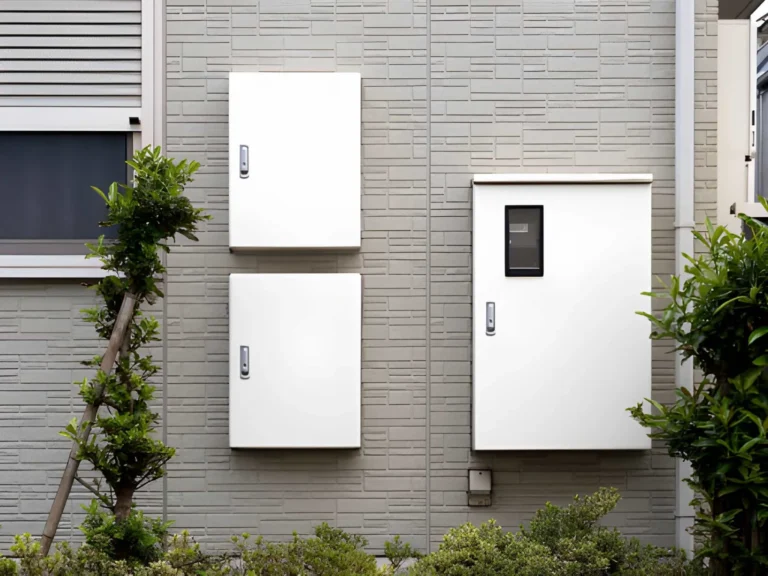
Boîtiers en plastique
- Résistant à la corrosion
- Léger
- Idéal pour une utilisation résidentielle à l'intérieur
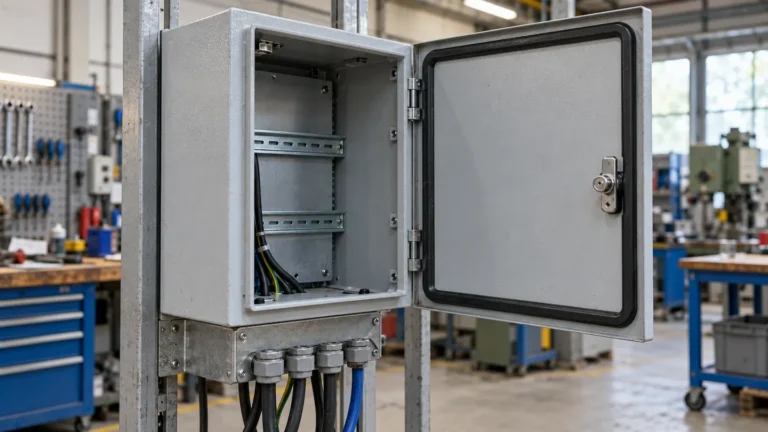
Boîtiers métalliques
- Résistance mécanique plus élevée
- Meilleur blindage EMI
- Convient aux bâtiments à forte charge ou à usage mixte
C'est l'environnement et le profil de charge qui doivent guider cette décision, et non le prix seul.
Quand les projets résidentiels prennent des allures industrielles
Les maisons modernes brouillent de plus en plus la frontière entre l'usage résidentiel et l'usage industriel léger.
Voici quelques exemples :
- Ateliers à domicile
- Bornes de recharge pour VE
- Systèmes solaires + batteries
- Unités résidentielles à locataires multiples
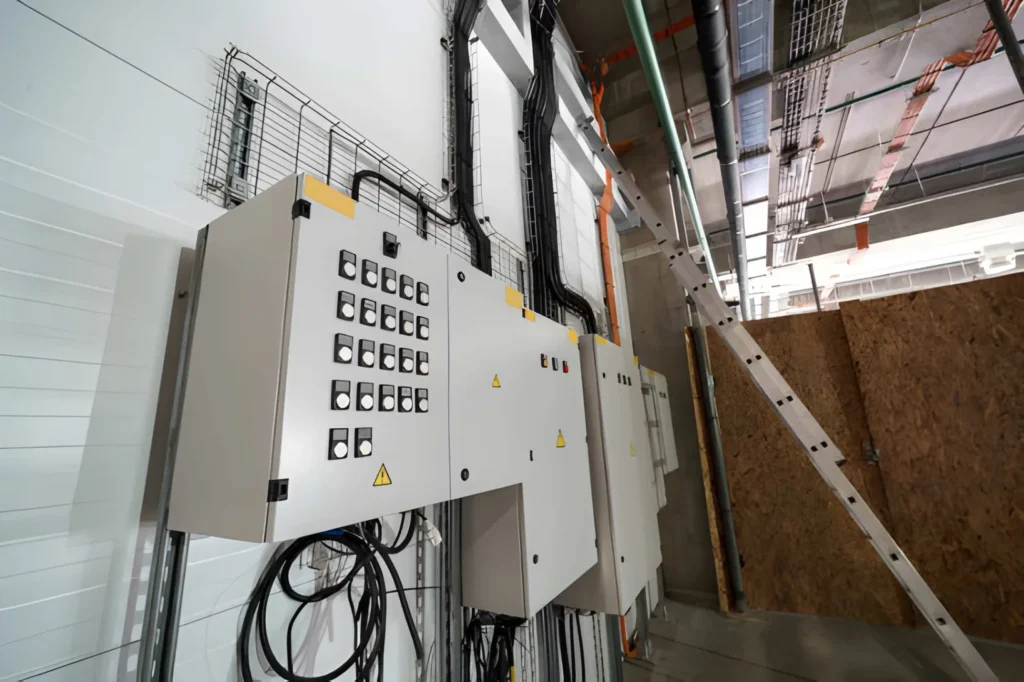
Dans ce cas, le coffret de distribution électrique de la maison doit répondre à des attentes plus élevées en matière de performances, traditionnellement observées dans les coffrets de distribution industriels.
Perspective finale
A boîte de distribution électrique de la maison n'est pas une marchandise. Il s'agit d'une décision structurelle qui détermine la sécurité, la flexibilité et les coûts d'exploitation à long terme.
S'il est bien choisi, il disparaît en arrière-plan et soutient tranquillement toutes les améliorations que vous apportez. Lorsqu'il est mal choisi, il devient la limitation la plus coûteuse de votre système électrique.
Si vous évaluez les options pour une nouvelle construction ou une modernisation et que vous voulez éviter les impasses de conception, il vaut la peine de discuter des besoins dès le début avec des professionnels qui comprennent les systèmes de distribution, et pas seulement les composants.
Un coffret de distribution bien conçu ne se contente pas de distribuer l'électricité. Elle protège votre investissement.
FAQ
Comment un compteur électrique interagit-il avec un coffret de distribution ?
Un compteur électrique mesure la consommation, tandis que le boîtier de distribution électrique de la maison gère et protège les circuits en aval. Leur coordination influe sur la précision de la surveillance et l'efficacité du système.
Les compteurs d'énergie peuvent-ils être intégrés dans les coffrets de distribution ?
Oui. De nombreux boîtiers de distribution modernes sont équipés de compteurs d'énergie électrique intégrés ou modulaires, ce qui permet une analyse en temps réel au niveau du circuit.
Un coffret de distribution de meilleure qualité améliore-t-il la précision des compteurs ?
Indirectement, oui. Des connexions stables et une bonne séparation des charges réduisent le bruit et les fluctuations qui peuvent affecter les relevés.
L'emplacement du compteur doit-il influencer le choix du coffret de distribution ?
Absolument. L'espace, la disposition du câblage et la compatibilité modulaire doivent être pris en compte simultanément.