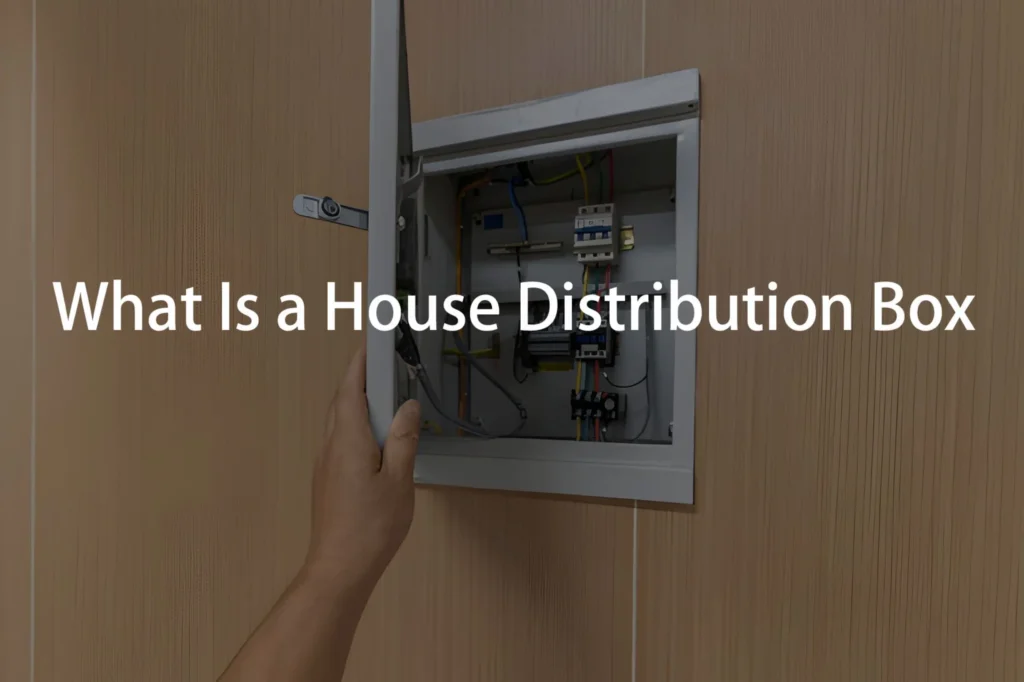
What Is a House Distribution Box and Why Should You Care?
Have you ever stopped to wonder what keeps the lights on, your fridge humming, and your Wi-Fi connected?
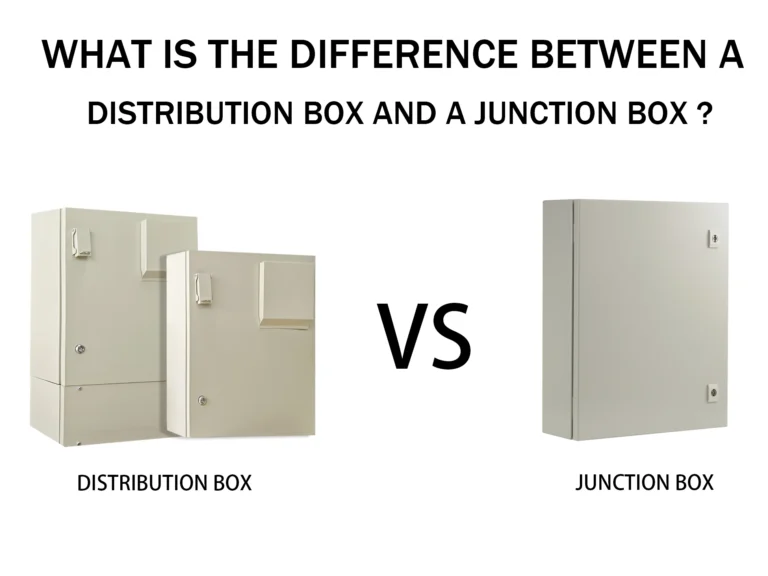
Hidden behind walls or tucked away in utility closets lies a quiet hero of modern homes: the house distribution box. Also known as a consumer unit or fuse box, this unassuming metal cabinet is the nerve center of your home’s electrical system.
Without it, your house would be nothing more than a very expensive shed with great views.
Whether you’re renovating an old property, building from scratch, or simply troubleshooting a tripped circuit, understanding your house distribution box is essential. It’s not just about flipping switches—it’s about safety, efficiency, and peace of mind. In this article, we’ll walk you through everything you need to know: what it does, how to choose the right one, common issues, and why upgrading might be smarter (and safer) than you think.
And hey—if you’re nodding along thinking, “Yeah, I probably should check mine,” you’re in the right place. By the end, you might even feel confident enough to call an electrician… or at least understand what they’re talking about!
Understanding the Role of a House Distribution Box
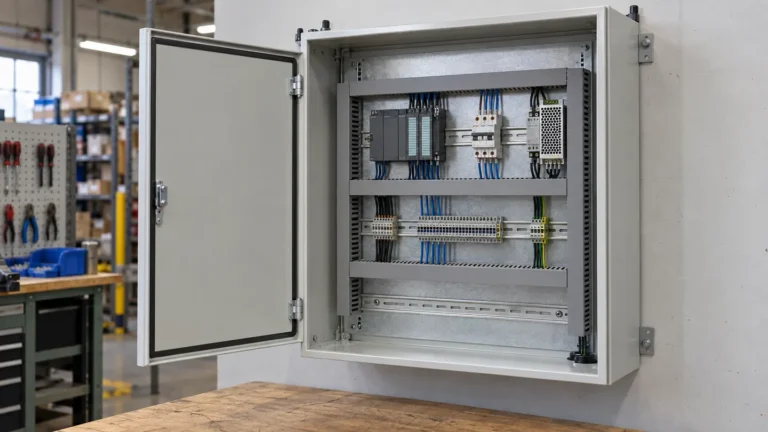
At its core, a house distribution box distributes electricity from the main supply into separate circuits throughout your home. Think of it like a traffic controller for power: it ensures each room or appliance gets the right amount of electricity without overloading the system. Inside, you’ll typically find circuit breakers (or older-style fuses), residual current devices (RCDs), and sometimes surge protectors—all working together to keep things running smoothly and safely.
Modern homes demand more power than ever before. From smart TVs and gaming consoles to electric vehicle chargers and heat pumps, our reliance on electricity has skyrocketed. A well-designed distribution box doesn’t just handle this load—it anticipates it. That’s why newer models come with modular designs, allowing for easy expansion as your needs grow.
But here’s the kicker: not all distribution boxes are created equal. Some are outdated, some are undersized, and others simply don’t meet today’s safety standards. If your box still uses rewirable fuses or lacks RCD protection, it might be time for an upgrade—especially if you’ve added major appliances recently.
| Type | Typical Use | Key Features |
|---|---|---|
| Fuse Box (Old) | Pre-1980s homes | Rewirable fuses, no RCDs, limited circuits |
| Consumer Unit (Modern) | New builds & upgrades | MCBs, RCDs, surge protection, modular design |
| Dual RCD Unit | Medium to large homes | Two RCDs for better circuit separation |
| High Integrity Unit | Kitchens, workshops, EV chargers | Dedicated RCBOs per circuit for maximum safety |
If you’re unsure what type you have, don’t panic. A qualified electrician can assess your setup in under an hour—and many offer free consultations. Seriously, it’s worth the call.
Choosing the Right House Distribution Box for Your Home
So, you’re ready to upgrade or install a new house distribution box. Great! But where do you start? The answer depends on your home’s size, age, and electrical demands.
First, consider the number of circuits you need. A small apartment might only require 6–8 circuits, while a large family home could need 15 or more. Each major appliance—like an oven, AC unit, or EV charger—often needs its own dedicated circuit. Don’t forget lighting, sockets, and outdoor power too.
Next, think about safety features. At a minimum, your box should include:
- MCBs (Miniature Circuit Breakers) – automatically cut power during overloads
- RCDs (Residual Current Devices) – protect against electric shocks by detecting earth leakage
- RCBOs (Residual Current Breakers with Overcurrent) – combine both functions in one device for critical circuits
Many homeowners now opt for smart distribution boxes that integrate with home energy monitors or apps. Imagine getting a phone alert when a circuit trips—or seeing real-time energy usage per room. Pretty neat, right?
Still feeling overwhelmed? That’s normal. Electrical systems aren’t exactly dinner-table conversation. But here’s a guiding thought: investing in a high-quality house distribution box isn’t just about compliance—it’s about future-proofing your home. And if you’re looking for reliable options or expert advice, don’t hesitate to send us an inquiry. We’re happy to help you find the perfect fit.
| Feature | Benefit | Recommended For |
|---|---|---|
| Modular Design | Easy to add circuits later | Growing families, tech-heavy homes |
| Dual RCD Layout | Keeps lights on if sockets trip | Whole-house reliability |
| Surge Protection | Shields electronics from spikes | Areas with frequent storms |
| Metal Enclosure | Fire-resistant, durable | All modern installations |
Remember: cheap might seem tempting, but when it comes to electricity, cutting corners can cost you dearly—in safety, convenience, and repair bills.
Common Problems and Maintenance Tips
Even the best house distribution box needs a little TLC. The good news? Most issues are easy to spot and fix—if you know what to look for.
One classic sign of trouble? Frequent tripping. If your breakers keep flipping, it could mean an overloaded circuit, a faulty appliance, or even damaged wiring. Don’t just reset it and hope for the best—dig deeper. Unplug devices one by one to isolate the culprit.
Another red flag: scorch marks, buzzing sounds, or a burning smell near the box. These indicate serious problems like loose connections or overheating. Turn off the main switch immediately and call a licensed electrician.
Routine maintenance is surprisingly simple:
- Test your RCDs every three months by pressing the “Test” button—they should trip instantly.
- Keep the area around the box clear—no storage, no clutter.
- Label your circuits clearly so you know which breaker controls what.
- Schedule a professional inspection every 5–10 years, especially in older homes.
Funny story: a friend once used his fuse box as a shelf for paint cans. Spoiler: it didn’t end well. Don’t be that guy.
Pro tip: If you’re planning a kitchen remodel or installing solar panels, now’s the perfect time to review your distribution setup. Better to upgrade once than patch things together repeatedly.
Final Thoughts: Don’t Ignore the Box on the Wall
Your house distribution box might not win any design awards, but it’s arguably the most important piece of hardware in your home. It works silently, tirelessly, and invisibly—until something goes wrong. By understanding its role, choosing the right model, and maintaining it properly, you’re not just keeping the lights on; you’re protecting your family, your gadgets, and your biggest investment: your home.
So next time you pass that metal box in the hallway, give it a little nod of respect. And if it’s been more than a decade since your last electrical check-up? Maybe it’s time to open it up—carefully—and see what’s inside. Or better yet, call a pro.
Ready to upgrade or need help selecting the right house distribution box for your project? We’re here to help. Send us an inquiry today, and let’s make sure your home’s electrical heart is beating strong, safe, and smart.
Frequently Asked Questions
u003cstrongu003eHow much does it cost to replace a house distribution box?u003c/strongu003e
Prices vary based on size and features, but expect 300–800 for parts and labor in most regions. High-end or custom setups may cost more—but remember, this is a one-time investment in safety.
u003cstrongu003eCan I install a house distribution box myself?u003c/strongu003e
Technically? Maybe. Legally and safely? Almost never. In most countries, electrical work must be done by a certified professional and certified afterward. DIY attempts can void insurance and create fire hazards.
u003cstrongu003eHow long does a house distribution box last?u003c/strongu003e
Modern units can last 20–30 years with proper care. However, technology and safety standards evolve, so even a “working” old box might not meet current codes.
u003cstrongu003eDo I need surge protection in my distribution box?u003c/strongu003e
Absolutely—especially if you live in an area with thunderstorms or unstable grid supply. Surge protectors shield your TV, computer, and smart devices from voltage spikes that standard breakers won’t catch.