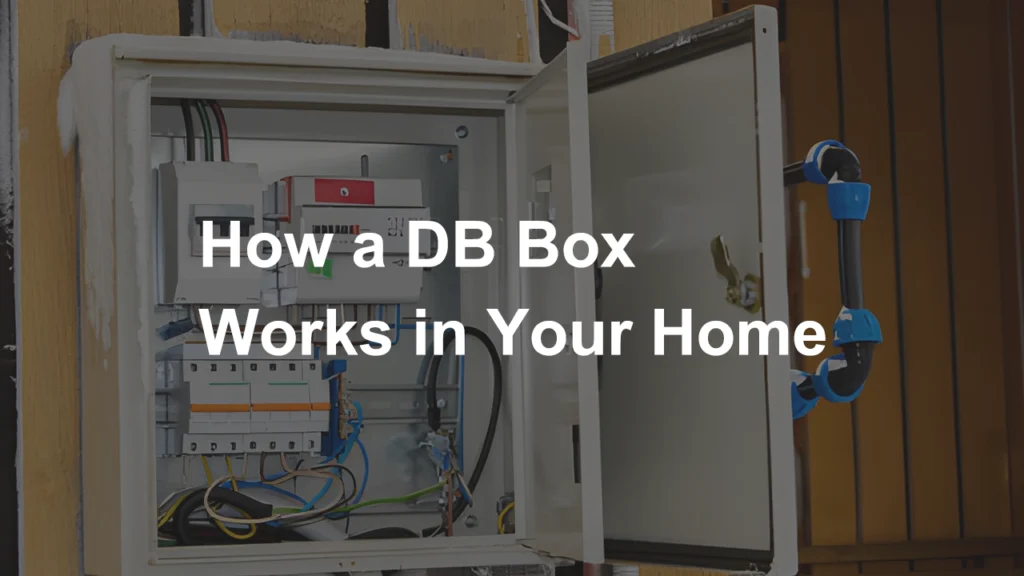
How a DB Box Works in Your Home
A DB box serves as a central electrical panel that takes power from one input and distributes it to multiple outputs.
It ensures power is shared safely across a building or area. Through its design and functions, as described in the article, the DB box helps manage and control the electrical system.
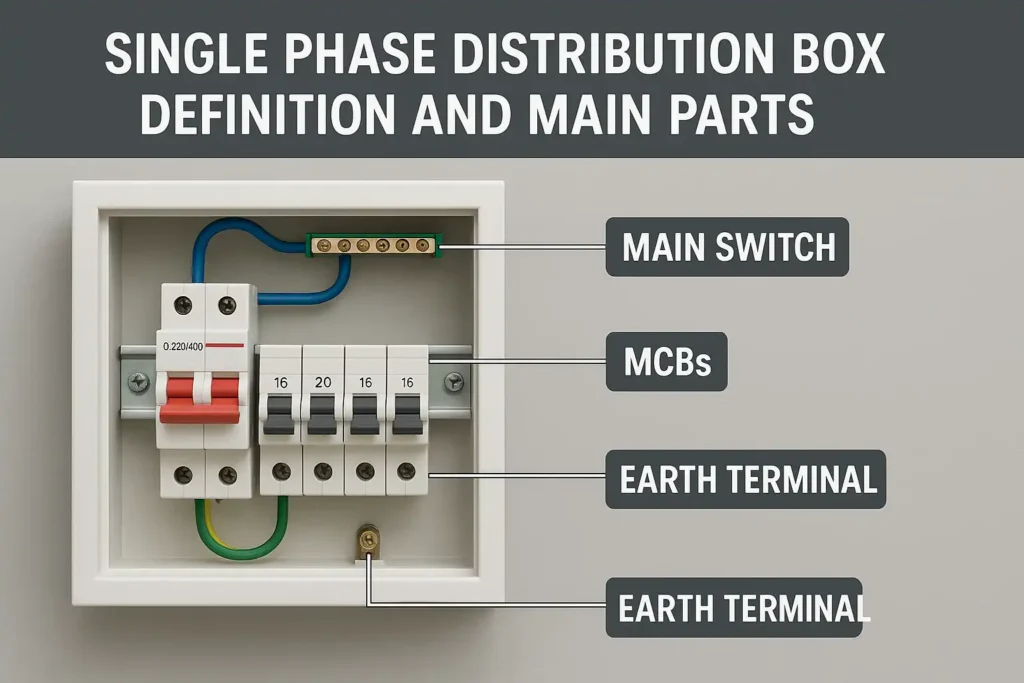
What are the components of a distribution board/ electrical panel?
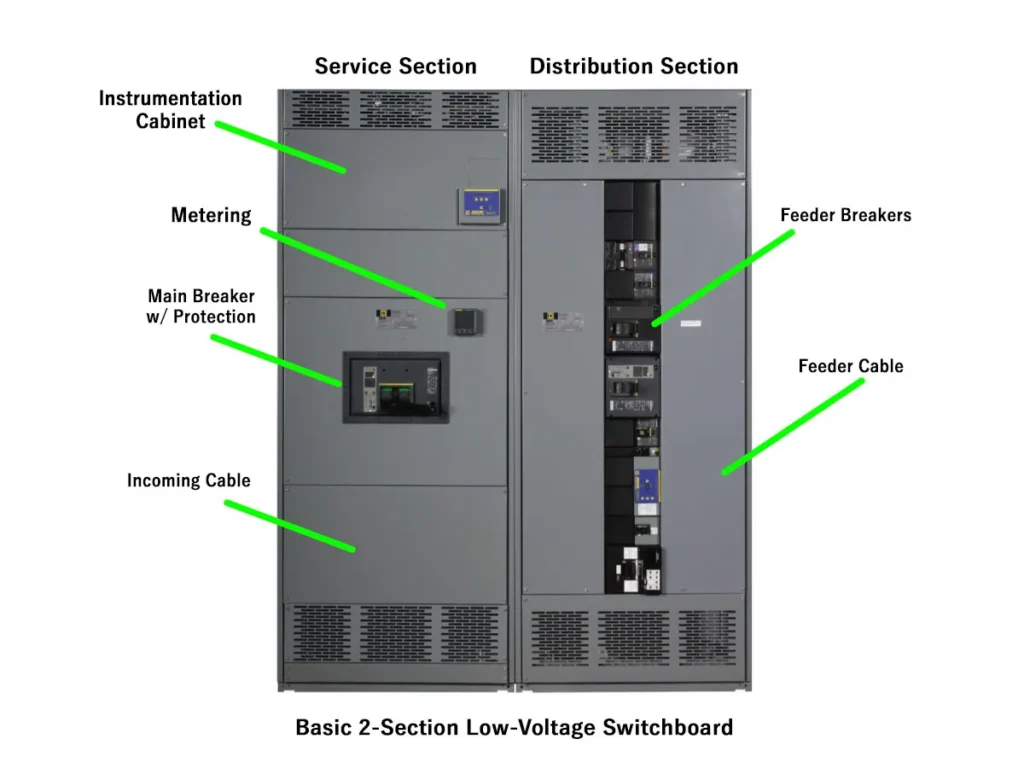
A distribution board, also known as an electrical panel, houses several key components that manage and distribute power within a building.
The primary elements are bus bars, circuit breakers, residual current circuit breakers (RCCBs), bypass equipment, fuses, wires, and surge protection devices.
Bus bars carry and split electrical power to various circuits. Circuit breakers and RCCBs act as safety devices, interrupting circuits to prevent overloads and electrical hazards.
Bypass equipment allows maintenance or upgrades without fully shutting down the system.
Fuses provide a backup safety mechanism by melting when current is too high, protecting the wiring. Surge protection devices guard the system against transient voltage spikes.
Together, these components ensure efficient power distribution and enhance safety and reliability of the electrical panel or cabinet.
What is the function of a distribution board?
The function of a distribution board is to serve as the main point where electrical power from the entry supply is divided and distributed to multiple subsidiary circuits.
It protects circuits and appliances by housing protective devices such as circuit breakers, RCCBs, fuses, and switches, which can interrupt power in the event of overloads, faults, or short circuits. It organizingly manages power flow, ensuring safer, reliable operation of the electrical system, and accommodates wiring expansions or modifications as needed.
In essence, it acts as the central hub that distributes electricity to different parts of a building while safeguarding against electrical hazards.
What are the (DB box) distribution box types?
The distribution box, or DB box, varies in size and function to meet different electrical needs. A common type is the 3-phase distribution board (DB box), suitable for larger buildings and industrial settings.
It is often ordered in a 12-way configuration to accommodate many circuits and switches. These panels help prevent electrical problems like short circuits and keep systems running safely and efficiently.
The 12-way 3-phase distribution box is usually housed in a sturdy cabinet with a cover for easy access during maintenance.
Key features include surge protection devices, circuit breakers, and residual current devices, which protect the panel and the entire electrical system from damage. Inside each board, wiring, bus bars, and switches are neatly organized to provide reliable power distribution and control, reflecting the evolution of 0electrical panels to meet modern distribution needs.、、、
What are the installation requirements for distribution boards?
Singapore’s electrical work for distribution boards must follow the Workplace Safety and Health Electrical Regulations and the Electrical Safety Regulations. A key practical guideline is to place the distribution board (DB box) within easy reach, typically not higher than 2 meters, so switches and fuses are accessible without ladders or tools. This height aids quick operation, monitoring, and fault response.
The DB box should include adequate protection devices, such as circuit breakers and residual-current devices, within its cabinet to ensure safe operation. For any size project—residential, commercial, or industrial—the location, height, the number of circuits supported, and the protection features directly influence overall electrical safety and performance.
Professionals should reference the latest regulatory documents for updates or changes to standards to maintain compliance. Access to current guidance is essential for installation and maintenance work.
How do power distribution boards work?
Power distribution boards act as the main hub for a building’s electrical supply. They house components like bus bars, circuit breakers, surge protectors, switches, and fuses in a single enclosure, typically an electrical panel or DB box. Their purpose is to safely divide and manage power to all circuits throughout the structure.
Key functions:
- Centralize protection and control of circuits
- Allow multiple circuits to be connected and organized efficiently
- Use devices such as residual current breakers and fuses to prevent hazards and ensure a reliable power supply
In short, a power distribution board distributes electricity from the main source to individual loads while providing protection and streamlined management of the electrical system.
How does distribution of power work?
The core idea is how power is distributed from generation to end users.
Power starts at the plants, which produce electricity. It travels through transmission and distribution lines to reach customers.
Like a plumbing system for water, the electrical network uses distribution boards to manage flow. Modern boards include safeguards such as residual current circuit breakers and surge protectors.
Each part of the distribution board matters. Circuit breakers act like valves, regulating output and keeping it within safe limits.
Whether you’re an electrician or a homeowner, understanding how power distribution works is important, including how circuit breakers operate. For a clearer, beginner-friendly explanation, read our detailed article.
How does a power distribution box (DB box) work?
A power distribution box distributes electricity safely and in an organized way within a building.
A distribution box, or DB box, functions as an electrical panel that controls how power flows through a network of wires. It contains key parts like circuit breakers and fuses to protect circuits from overloads and short circuits.
By orderly routing power, the box ensures every connected system gets the right amount of electrical supply for proper operation. It also makes managing complex electrical layouts easier and helps identify and fix issues quickly.
How does a power distribution unit work?
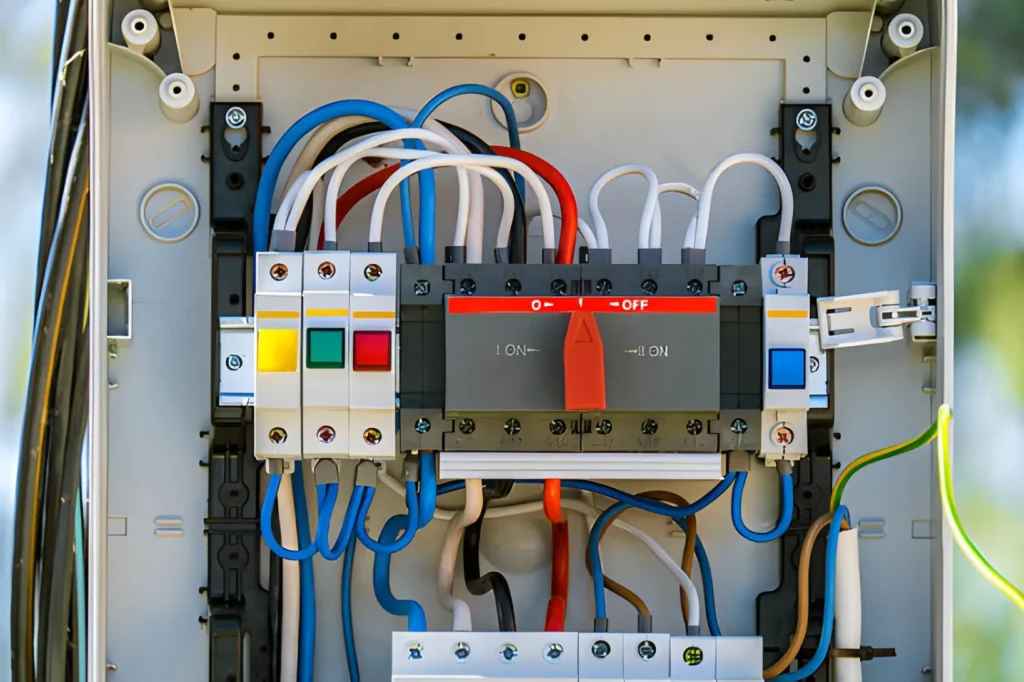
A power distribution unit takes one power input and creates multiple outputs, guiding electricity to different circuits efficiently.
It uses electrical panels and wiring to ensure every part of a building gets a safe and suitable amount of power.
Inside the panel box, a network of wires, switches, circuit breakers, and control systems works together to deliver a clean, organized distribution.
In Singapore, a wide variety of circuit breakers are used. For a detailed overview, see our guide on the types of circuit breakers.
This arrangement supports many electrical outputs and makes it easy to manage and adjust as needed.
In short, power distribution units ensure power is allocated safely and efficiently to different locations.
How does a power distribution block work?
A power distribution block centralizes and organizes the wires inside a control panel, making the system easier to manage.
It takes power from one main source and splits it into multiple secondary circuits. This division simplifies complex wiring within the panel.
Using distribution blocks helps control the flow of electricity, improving safety and reliability for all connected systems.
Integrating these blocks into control panels brings a structured approach to power management, boosting both safety and performance.
Swift, Safe Electrical Distribution
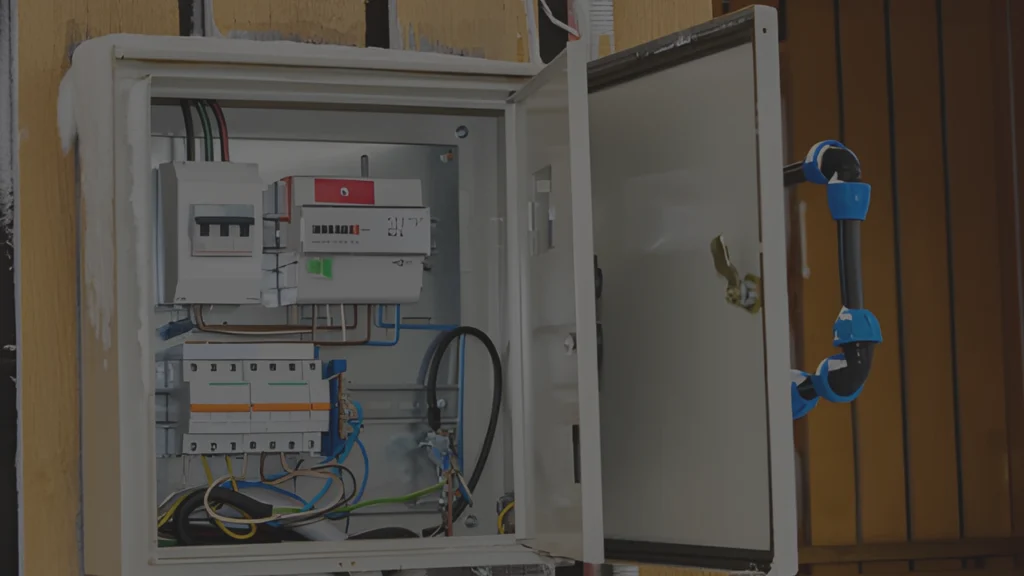
See how a DB Box organizes power delivery, improves reliability, and simplifies maintenance. Get a tailored recommendation now.